The best Delosperma Cooperi ice plant options deliver drought tolerance, bright blooms, and easy care for dry-climate gardens. This guide highlights five top picks suited for sunny spots, rock gardens, and ground-cover needs. Each product is chosen for low water use, hardiness in USDA zones 4–9, and attractive, long-lasting color. The buyer is guided toward options depending on seed-level planting vs. ready-made plants, container or ground-cover applications, and growth habits.
| Product | Best For | Growth Habits | Water Needs |
|---|---|---|---|
| Outsidepride Delosperma Cooperi Seeds | Starting a hardy ground-cover from seed | 2–3 inches tall; trailing/mats | Low |
| Sow Right Seeds Ice Plant Flowers | Pollinator-friendly, colorful annual variety | 3–6 inches tall; 12–24 inches spread | Low to moderate |
| Wivolibe 6000+ Mix Ice Plant Seeds | Dense red carpet ground cover | Low-growing mat | Low |
| Perennial Farm Marketplace Delosperma Cooperi | Drought-tolerant perennial ground cover | Low mat, 3 inches high | Low |
| Delosperma Cooperi Table Mountain Seeds | Pink-purple ground cover from seeds | Low-growing, spreading | Low |
Outsidepride Delosperma Cooperi Ice Plant Table Mountain Seeds

Best for starting a hardy ground cover from seed. The Outsidepride seeds are described as a mainstay for water-saving, dry-climate gardens. They are evergreen and flowering, with a 2–3 inch mature height. Seed starting is recommended indoors 4–6 weeks before last frost using starter trays and sterile potting mix. Foliage is deep green and succulent, with fuschia pink blooms 1–2 inches across that open in the morning. This option suits buyers who want a long-term, low-water landscape investment and enjoy creating color from seed.
Who this is best for: gardeners who prefer to establish a living ground cover from seed, enjoy mass blooming, and plan for long-term cost efficiency. Why selected: strong drought tolerance, low maintenance, and a proven regional suitability in zones 4–9. Limitation: seed starting requires time and care before transplanting outside.
Sow Right Seeds Ice Plant Flowers for Planting

Best for pollinator-friendly, colorful annuals in sunlit beds or containers. This package features Dorotheanthus bellidiformis (Ice Plant) with daisy-like flowers on succulent foliage. Seed colors range across orange, pink, purple, red, white, and yellow. The seed packet includes about 1600 seeds. Germination occurs in 14–21 days at around 68°F. Plants reach 3–6 inches in height with 12–24 inches spread, flowering 112–119 days after sowing. Suitable for zones 5–9 and supports pollinators.
Who this is best for: gardeners seeking quick color and pollinator support in sunny spots. Why selected: reliable blooming in one season, vibrant color range, and easy-to-grow annuals. Limitation: annuals require replanting each year in cooler zones for continuous color.
6000+ Mix Ice Plant Seeds for Planting

Best for creating a dense carpet of color with low watering. This mix from Wivolibe emphasizes hardy ice plant seeds that form succulents needing minimal irrigation. The description highlights a dense, bright red flowering display that can cover a low ground cover area. This option suits large sunny landscapes where a carpet-like appearance is desired. Limitation: seed mixes may have variable flower colors and growth timing depending on conditions.
Perennial Farm Marketplace Delosperma Cooperi (Trailing Hardy Ice Plant)
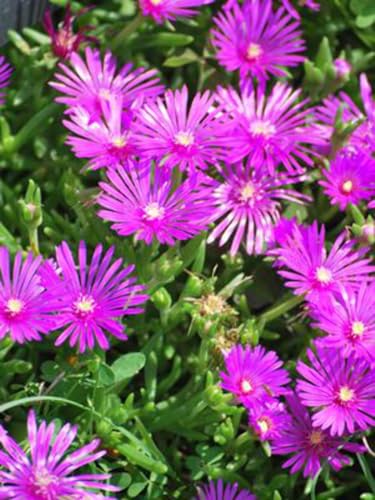
Best for a low-growing perennial ground cover that thrives in heat and drought. This Delosperma Cooperi offers rosy-pink daisies from June through September atop a dense mat of succulent foliage. It is well-suited for cascading over walls, edging borders, or container planting. It is described as easy to grow, drought-tolerant, and ideal for rock gardens and slopes. Caution: as a perennial, it may take time to establish in new locations, and seasonal growth will depend on climate and soil drainage.
Delosperma Cooperi Table Mountain Ice Plant Seeds

Best for a pink-purple ground cover from seeds with a late-spring to fall bloom. The seeds produce vibrant daisies with white centers, forming a spectacular carpet of color as they spread. The plant is drought-tolerant and suited for rock gardens, slopes, borders, and xeriscaping projects. It thrives in full sun and well-drained soil. Limitation: seedling establishment may be slower in cooler or wetter soils.
25 Table Mountain Ice Plant Magenta Seeds

Best for hardy, late-spring to frost color with magenta flowers. This set targets zones 4–9, offering 2-inch flowers and low-growing ground cover characteristics. Easy to grow in full sun with well-drained soil, these seeds are deer-resistant and wildlife-friendly. They fit rock gardens, borders, and containers, providing a striking magenta carpet in dry landscapes.
Buying Guide
What growth form do you want? Seed vs. plant stock affects establishment time and initial maintenance. For immediate color and less waiting, choose ready-to-plant options like Perennial Farm Marketplace or Delosperma seed mixes with established plants.
How dry is your site? Ice plant thrives with low water once established. Ensure excellent drainage to prevent root rot. Mulching and sun exposure optimization helps bloom density.
Which zone and soil type matter? Most Delosperma Cooperi varieties tolerate USDA zones 4–9 and prefer sandy, well-drained soils. In hotter regions, provide afternoon shade if possible, and avoid heavy clay soils without amendment.
Color and bloom timing: Pink-purple Table Mountain varieties offer late-spring through fall color, while magenta or red carpet mixes provide early-season impact. Consider pollinator interest—bees and butterflies often visit Ice Plant blooms.
Maintenance expectations: Snow- or frost-date sensitivity varies by cultivar. While drought-tolerant, established plants appreciate light pruning after flowering to maintain a dense mat and prevent legginess.
FAQ
- Q: Are Delosperma Cooperi ice plants truly drought-tolerant?
A: Yes, they are well known for low water needs once established in well-drained soil. - Q: Can ice plants grow in containers?
A: Yes, many Delosperma varieties work well in containers with good drainage and sun. - Q: What zones are suitable for Delosperma Cooperi?
A: They are hardy in USDA zones 4–9, depending on cultivar and microclimate. - Q: Do ice plants attract wildlife?
A: Some varieties attract butterflies; deer resistance varies but is noted for several sources. - Q: How long do blooms last?
A: Blooms typically extend from late spring through frost in suitable climates, with some variations by cultivar. - Q: Should I seed or buy established plants?
A: Seeded options are cost-effective for large areas; established plants offer quicker color and coverage.