Answering the question: what is the best tent carbon monoxide detector for camping, travel, and portable safety? This guide highlights five compact, battery-powered or rechargeable CO detectors that are well suited for tents and remote locations. They are ideal for campers, RV travelers, hikers, and people who want reliable CO monitoring without a fixed electrical setup. Each option is evaluated for portability, alert types, and practical limits in outdoor environments.
Summary table of selected products:
| Product | Best For | Key Benefit | Limitations |
|---|---|---|---|
| TOPTES CT-580 | Portable camping and travel | Fast 0.3s response, TFT color display, multiple alarms | Manual inspection tool; may be more feature-rich than needed for casual camping |
| Kidde AA Battery Powered | Simple, battery-powered backup for home or travel | No wiring, 85 dB alarm, easy to use | Basic features; relies on batteries |
| TOPTES CT-913 | Professional field use and extended trips | 60+ hours on one charge, USB-C, upgraded sensor | Higher price; bulkier for some packs |
| First Alert CO400 | Travel and home backup | Battery-operated, 85 dB alarm, portable | Limited display and features; battery dependent |
| First Alert CO606 | Plug-in with battery backup, home or RV use | Plug-in convenience with battery backup, easy test | Requires outlet for full-time use |
TOPTES CT-580 Portable Carbon Monoxide Detector

The TOPTES CT-580 is a portable CO detector designed for quick readings and versatile use. It offers a high-sensitivity DDS sensor with a fast 0.3-second response, measuring 0–1000 PPM. The device provides a graphical TFT color display for clear readings and supports three alarm modes: indicator light, audible alert, and vibration. This makes it suitable for both personal use and business inspections. It is best for campers and travelers who want fast, multi-sensor feedback in a compact unit. A potential limitation is that the device includes advanced menu options that some casual campers may never use, but they can be valuable for professional use or frequent travelers who need calibration options.
Best for: Campers and travelers who want rapid CO readings and multiple alert methods in one compact unit. Best for users who need a clear visual display and optional calibration options for professional settings.
Kidde Carbon Monoxide Detector, AA Battery Powered
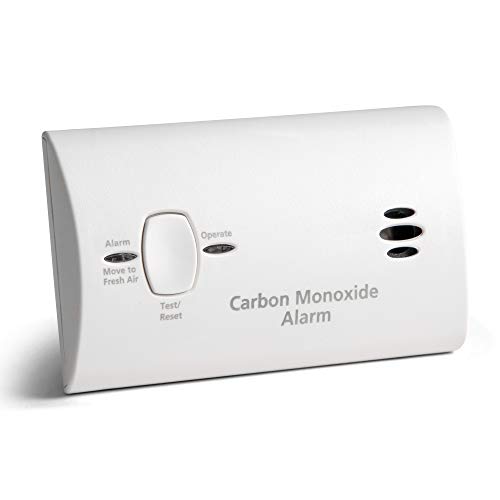
The Kidde AA Battery Powered CO Detector is a straightforward, portable option that runs on two AA batteries and requires no wiring. It features an 85 dB alarm and LED status indicators, making it practical for travel and home use where outlets or power may be unreliable. The simplicity of this unit makes it a strong backup option for tents and hotel rooms when you want a lightweight, plug-free detector. A limitation is its basic feature set, which lacks the more advanced calibration options found on some premium models.
Best for: Casual campers and travelers seeking a simple, battery-powered CO detector without setup. Choose this if you want a dependable, low-maintenance device that works during power outages.
TOPTES CT-913 Portable Carbon Monoxide Detector

The TOPTES CT-913 is a professional-grade portable CO detector featuring an upgraded UK DDS sensor for fast, reliable readings in 0–1000 PPM. It includes a large 4000 mAh battery for over 60 hours of operation and a USB-C charging port for convenient recharging in the field. Real-time readings, trend graphs, and customizable alarm thresholds support inspection tasks in RVs, boats, workshops, and trailers. Best for extended trips and job sites where long battery life and precise monitoring matter. A potential drawback is bulkier size relative to ultra-light models, which may affect pack weight.
Best for: Professionals and frequent travelers who need long battery life, accurate readings, and easy recharging on the go. Choose this if you require ongoing monitoring across multiple environments.
First Alert CO400 Carbon Monoxide Detector
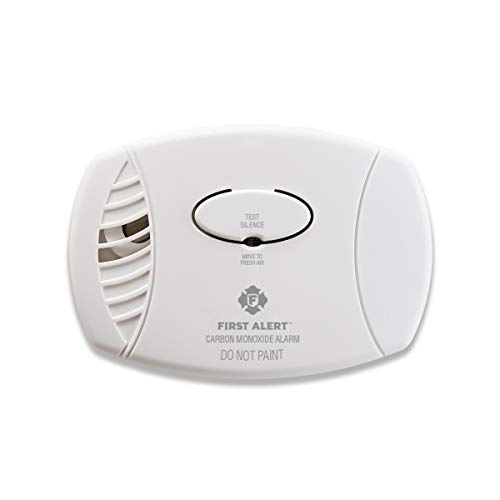
The First Alert CO400 is a battery-operated CO detector designed for simple, portable use. It uses an electrochemical sensor to detect carbon monoxide and emits an 85 dB alarm when dangerous levels are detected. It’s ideal for travelers who want a compact, no-fuss CO detector that can run during power failures. A limitation is that it relies on removable batteries and lacks a built-in display, which means users must rely on audible alerts and LED indicators for status updates.
Best for: Travelers and campers who value a compact, battery-powered detector that works during outages and doesn’t require installation. Choose this when you need a lightweight travel companion with clear audible alerts.
First Alert CO606 Plug-In CO Detector
The First Alert CO606 is a plug-in CO detector with battery backup. It plugs into a standard outlet for continuous monitoring, while the battery backup provides continued protection during power outages. It includes an electrochemical sensor for accurate CO detection and a simple test/silence button. Its plug-in design makes this option highly practical for RVs, motorhomes, or sleeping areas near an outlet. A consideration is that it requires access to an outlet for continuous operation, which may not suit off-grid camping needs.
Best for: RVs, campers in sites with electrical outlets, and home use where a reliable plug-in option with backup power is preferred. Avoid this if you need battery-only operation while off-grid.
Buying Guide: How to Choose a Tent CO Detector
- Battery-only versus rechargeable or plug-in. Battery-only models are ideal for tents and off-grid camping, while rechargeable or plug-in units work well for RVs and hotel stays.
- Electrochemical sensors are standard for CO; look for faster response times and clear alarm signals, especially when camping in enclosed spaces like tents.
- Visual displays, audible alarms, and vibration alerts help in noisy outdoor environments. A multi-sensor alert system reduces missed warnings.
- TFT color displays or large LED indicators improve readability in dim conditions inside tents or cabins.
- Long standby and operation times minimize frequent replacements on trips. USB-C charging is convenient for extended travel.
- Compact, rugged designs are preferred for backpacking and tent camping. Consider weight and build quality.
- Some models offer calibration options for professional use; casual campers may not need this feature.
- Balance essential safety features with budget. Extra features should match your camping or travel needs.
FAQ
- Do I need a CO detector for a tent? Yes, a portable CO detector helps monitor carbon monoxide levels in enclosed sleeping areas and vehicles, reducing risk of exposure in confined spaces.
- What alarm types are most reliable outdoors? A combination of audible alert and visual indicator (and optional vibration) is most reliable in noisy outdoor environments.
- How long do battery-powered CO detectors last on a trip? Battery life varies by model; look for units offering many hours of use and easy battery replacement or USB charging for extended trips.
- Can I use home CO detectors in a tent? Portable detectors with battery power or rechargeable options are suitable; do not use wired, plug-in detectors that require a power outlet inside a tent.
- Should I calibrate a CO detector? Some professional models offer calibration. For casual camping, follow the manufacturer’s maintenance guidance and replace batteries as needed.
- How should I place a CO detector in a tent? Place it near sleeping areas but away from direct sources of heat or drafts. Keep it within reach for quick alarms.