The best safety blue light glasses combine the kind of impact or debris protection you need with a blue light feature for screen-heavy tasks. The MAGID Y50 two-pair set is a strong fit for worksite users who need stated impact-standard compliance; Tarantula suits buyers prioritizing certified impact protection and optical clarity; and Altibrant is an option for buyers seeking an ANSI Z87.1-labeled pair with anti-fog treatment. ProtectX and Bantida offer other feature combinations, but their supplied descriptions do not specify an impact-protection standard.
| Product | Best for | Notable features |
|---|---|---|
| MAGID Y50, 2 Pair | Worksites and keeping a spare pair | ANSI Z87.1+; side shields; anti-fog lenses |
| Tarantula Z87.1 | Detailed work and screen use | ANSI Z87.1:2020; blue light coating |
| Altibrant Clear | Fog-prone work environments | ANSI Z87.1; anti-fog coating |
| ProtectX | Workshop and hobby tasks | Polycarbonate lenses; temple guards |
| Bantida UV400 | Screen use and all-day comfort | Blue light blocking; UV400; anti-fog coating |
MAGID Y50 Safety Glasses, 2 Pair

Best for: Construction, manufacturing, and industrial users who want two pairs available. The product description states that the glasses comply with ANSI Z87.1+ high-impact and CSA Z94.3 standards. Integrated clear side shields add peripheral coverage against impacts, particles, and splashes.
The polycarbonate lenses are described as blue-blocking, anti-fog, and scratch-resistant. This combination makes the Y50 better suited than basic screen glasses to tasks where both visibility and workplace impact protection matter. The two-pair option can also be useful when a backup pair is needed.
Limitation: The listing does not specify the degree of blue light filtering, so buyers who need a measured filtering percentage should verify the product details before choosing.
Tarantula Z87.1 Blue Light Safety Glasses
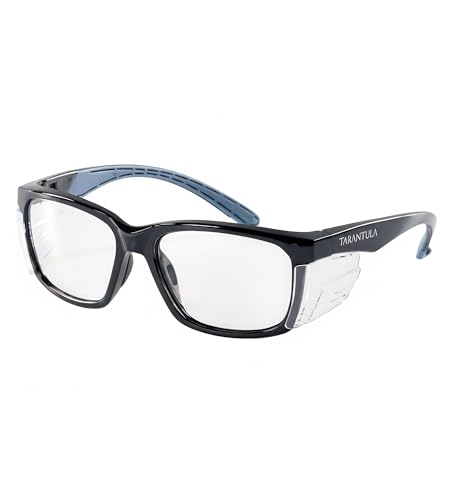
Best for: People who need stated impact-standard compliance and want glasses for detailed or screen-heavy work. The supplied product information says the glasses are certified to ANSI Z87.1:2020 and CE EN166, and passed several impact tests, including high-mass and high-velocity impact tests.
The description also highlights optical inspections for distortion and a blue light filtering coating. Choose this pair if clear, precise viewing is a priority alongside workplace protection and blue light filtering.
Limitation: The listing details do not give a blue light filtering percentage or describe side shields. Check fit and coverage against the hazards of the specific task.
Altibrant Clear ANSI Z87.1 Safety Glasses

Best for: Users working in humid conditions, wearing masks, or moving between temperatures. The listing describes an anti-fog coating and blue light filter, and states that the glasses meet ANSI Z87.1 standards. It identifies construction, workshop, and lab tasks as intended uses.
These glasses are a practical choice when fogging is a main concern and buyers want both a stated safety standard and a blue light feature. The clear lens is an alternative to the orange lens offered by some screen-focused glasses.
Limitation: The supplied details do not quantify blue light filtering or describe specific side-shield coverage. Confirm the fit and protective coverage needed for your work.
ProtectX Blue Light Blocking Safety Glasses

Best for: Workshop and hobby users seeking lightweight glasses with added temple coverage. ProtectX lists polycarbonate lenses as lightweight, scratch-resistant, and anti-glare, along with extra side pieces intended to protect the temple area. The product description also names cycling, jogging, and indoor and outdoor sports.
Choose this pair if side coverage and everyday comfort are priorities. The added temple guards distinguish it from options described primarily for screens or fog-prone environments.
Limitation: The supplied features do not state an ANSI or other impact-protection certification. Do not assume it meets a worksite standard without checking the product labeling and requirements for your task.
Bantida UV400 Anti-Fog Safety Glasses

Best for: Users who want a lightweight pair for screens and general eye coverage. Bantida lists blue light blocking, UV400 lenses, an anti-fog coating, and scratch-resistant transparent lenses. Side and top shields are described as protection against debris, splashes, and droplets.
The flexible frame, nonslip temple design, and silicone nose pads may suit extended wear. Choose this option if comfort features and a clear lens matter alongside the listed blue light and UV features.
Limitation: The supplied description does not specify an ANSI impact rating or quantify blue light filtering. Verify protective requirements before using the glasses around workplace hazards.
Buying Guide: How To Choose Safety Blue Light Glasses
Do you need certified impact protection?
Start with the hazards, not the blue light claim. For work involving flying debris or projectiles, look for the applicable safety marking and verify that the glasses meet your employer’s requirements. In this selection, MAGID lists ANSI Z87.1+ compliance, Tarantula lists ANSI Z87.1:2020 certification, and Altibrant states that it meets ANSI Z87.1. The other product descriptions do not provide an equivalent standard.
How important are side shields and coverage?
Side shields can add peripheral coverage, while top shields or temple guards address different areas. Compare the product’s stated design with the direction and type of hazards in your work. Do not treat general terms such as “safety glasses” as proof of a particular coverage level.
Should you prioritize anti-fog or scratch resistance?
Anti-fog coatings can be useful in humid conditions, during temperature changes, or when wearing a mask. Scratch-resistant lenses may help preserve visibility with regular use, but they still need careful storage and cleaning. MAGID, Altibrant, and Bantida specifically list anti-fog features; several products also describe scratch resistance.
What does blue light blocking mean for these glasses?
Blue light features vary. Some listings state that a coating filters blue light without giving a percentage, while the Uvex Skyper product describes an orange lens that absorbs 98% of blue light. Orange lenses can change how colors appear, so consider whether color recognition matters for your task. Blue light filtering does not replace impact protection.
Frequently Asked Questions
Can regular blue light glasses protect against workplace debris?
Not necessarily. Screen glasses may lack impact ratings or protective coverage. Check the product’s safety markings and the requirements for the hazards you face.
Are clear lenses available with blue light filtering?
Yes. The MAGID, Tarantula, Altibrant, ProtectX, and Bantida descriptions include clear or transparent lens options with blue light features. Verify the exact lens tint and filtering details in the product listing.
Which option lists ANSI Z87.1 protection?
MAGID lists ANSI Z87.1+ compliance, Tarantula lists ANSI Z87.1:2020 certification, and Altibrant states that it meets ANSI Z87.1. Confirm that the specific marking matches your workplace requirements.
Do anti-fog glasses stay clear in every condition?
No coating can guarantee fog-free vision in every environment. Anti-fog features may help, but follow product care instructions and stop work if visibility becomes unsafe.
Are UV400 lenses the same as impact-rated safety lenses?
No. UV400 describes ultraviolet protection, while impact ratings address mechanical hazards. Check each feature separately when selecting protective eyewear.