Red bee balm, or Monarda didyma and related cultivars, brings bold color and robust pollinator appeal to American gardens. This guide highlights five top red bee balm selections that perform well in diverse climates, attract hummingbirds and butterflies, and add long-lasting summer interest. Each entry includes key features to help you choose plants or seeds that fit your garden space, sun exposure, and maintenance preferences.
Summary of selected products:
| Product | Brand | Type | Highlights |
|---|---|---|---|
| KVITER 1,000 Wild Bergamot Seeds | KVITER | Seeds | Low water needs, pollinator magnet, drought-tolerant |
| Greenwood Nursery Live Perennial Bee Balm Jacob Cline | Greenwood Nursery | Live Perennial Plant | Red tubular flowers, attracts hummingbirds, deer resistant |
| TKE Farms & Gardens Bee Balm Seeds | TKE FARMS & GARDENS | Seeds | High germination, indoor/outdoor versatility |
| Perennial Farm Raspberry Wine Bee Balm | Perennial Farm Marketplace | Live Plant | Ruby red blooms, fragrant foliage, great for cut flowers |
| Greenwood Nursery Bee Balm Fireball | Greenwood Nursery | Live Perennial Plant | Mid-summer red blooms, fast-growing, attracts bees |
KVITER 1,000 Wild Bergamot Seeds for Planting

Product overview: These seeds offer quick germination in 10–20 days at 60–70°F when surface-sown and kept moist. Suitable for USDA zones 2–9, they establish into drought-tolerant perennials that grow 2–4 feet tall and attract bees, butterflies, and hummingbirds. The seed set emphasizes a citrus aroma and strong pollinator appeal, making them a practical option for borders, wildflower patches, or container gardens.
Greenwood Nursery Live Perennial Bee Balm Jacob Cline
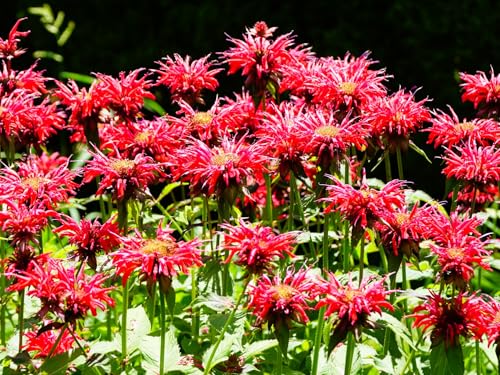
Product overview: Jacob Cline is a red-blooming native wildflower bee balm that grows 3–4 feet tall with a 2-foot spread. It thrives in full to partial sun in well-drained soil, attracting butterflies and hummingbirds during midsummer. The plant is fragrant, deer-resistant, and well-suited for cut flowers. Consistent watering after planting helps establish a robust root system for drought tolerance and mildew resistance.
TKE Farms & Gardens – Wild Bergamot Bee Balm Seeds

Product overview: This packet provides over 1000 premium, non-GMO heirloom seeds with a high germination rate for indoor or outdoor growing. It suits Zones 3–9 and tolerates full sun or partial shade. The seeds are versatile for traditional gardens, raised beds, or large containers with good drainage, and they effectively attract butterflies, bees, and other pollinators.
Greenwood Nursery Bee Balm Fireball + Monarda Didyma

Product overview: This Fireball cultivar produces bright scarlet-red blooms from midsummer onward. It grows 1–2 feet tall, thrives in full sun to partial shade, and is a fast-growing perennial. Its compact size makes it ideal for borders, patios, and container plantings. It is known for fragrance and for attracting bees and hummingbirds, while performing well in average garden soil with regular watering during establishment.
Perennial Farm Raspberry Wine Bee Balm

Product overview: Raspberry Wine offers ruby red blooms and raspberry-like buds with fragrant, sturdy foliage. This native cultivar grows 3–4 feet tall and is mildew resistant. It performs best in rich, well-drained soil in full sun, supporting robust pollinator activity from June through August. It’s suitable for cutting gardens and ornamental borders, providing long-lasting color and scent.
Buying Guide
Key considerations when selecting red bee balm for your garden:
- Growth habit and size: Choose varieties that fit your space, from compact 1–2 foot forms to taller 3–4 foot cultivars for borders and backdrops.
- Sun and soil requirements: Most bee balm prefers full sun and well-drained soil; some tolerate partial shade and adaptable moisture levels, especially in drought-prone areas.
- Bloom time and color: Red-flowering cultivars provide peak color in midsummer to early fall; consider bloom length and whether you want continuous color or a seasonal highlight.
- Pollinator appeal: Bee balm is a magnet for bees, butterflies, and hummingbirds. If pollinator support is a goal, prioritize proven nectar sources and cultivars with robust bloom.
- Maintenance and longevity: Perennial types offer years of color with moderate maintenance. Seed varieties require germination time and establishment care, while established plants may resist pests and diseases better.
- Hardiness zones: Match plant or seed selections to your USDA zone to ensure reliable overwintering and growth patterns.
- Garden placement: Near patios or decks for fragrance, or along borders for visual impact and wildlife corridors; consider planting in groups to maximize pollinator visits.
- Propagation method: Seeds are cost-effective but slower to establish; live perennials provide instant presence with ongoing vigor when properly cared for.