Looking for the best organic soil potting mix for containers and indoor pots? This guide highlights five top options that are truly suitable for American gardeners seeking peat-free, nutrient-balanced, and moisture-retentive mixes. Each pick targets different buyers: outdoor container gardeners, indoor plant enthusiasts, and those prioritizing sustainable ingredients. The summary table below helps you compare at a glance.
| Product | Best For | Key Benefit |
|---|---|---|
| Miracle-Gro Organic Outdoor Potting Mix (16 qt) | Outdoor containers | Quick-release fertilizer and up to 2 months feeding |
| Back to the Roots 100% Organic Indoor Potting Mix (6 qt) | Indoor houseplants | Moisture-retaining yucca extract + root-boosting microbes |
| Burpee Premium Organic Potting Mix (9 qt) | Containers with vegetables and herbs | Instant feeding plus long-lasting nutrition, coconut coir |
| Back to the Roots 100% Organic Indoor Potting Mix (Value 12 qt) | Indoor plants on a budget | Lightweight, peat-free, balanced moisture and pH |
| Rosy Soil Houseplant Potting Soil (4 qt) | Indoor houseplants | Peat-free with living soil benefits and microbial activity |
Miracle-Gro Organic Outdoor Potting Mix

Best for outdoor containers, this Miracle-Gro mix uses a quick-release natural fertilizer and feeds plants for up to two months. It is formulated with peat moss sourced from certified producers, supporting moisture retention in outdoor pots. This option is ideal for gardeners who want a pre-fed base mix for flowers, vegetables, and herbs in balcony planters, window boxes, or patios. A potential limitation is the need to supplement beyond the initial feeding for high-demand crops in hot climates.
Back to the Roots 100% Organic Indoor Potting Mix (6 Quart)
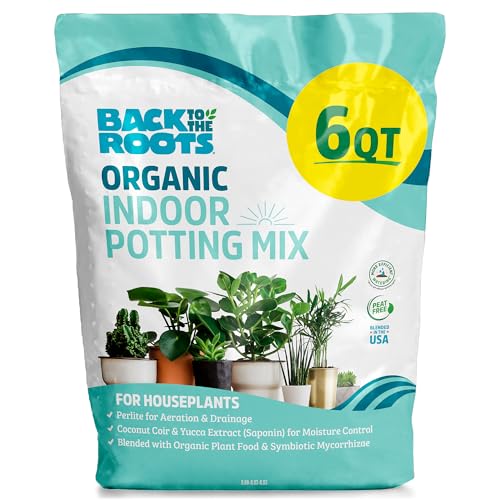
Best for indoor houseplants, this mix emphasizes moisture retention through organic yucca extract, which helps keep soil moist between waterings. It includes root-boosting mycorrhizae for better nutrient uptake and is peat-free, reducing environmental impact. Choose this if you want a breathable indoor soil with microbial support for healthier roots; the limitation is a smaller 6-quart bag that may require more frequent repurchases for many plants.
Burpee Premium Organic Potting Mix (9 qt)

Best for containers supporting vegetables, flowers, and herbs, this all-natural mix combines plant food and coconut coir to promote seedling growth and sustained moisture. It is OMRI Listed for organic use, making it a solid choice for organic gardeners. It provides instant feeding and long-lasting nutrition (up to about three months), but the coconut coir may require periodic monitoring for salt buildup in very dry environments.
Back to the Roots 100% Organic Indoor Potting Mix (Value 12 qt)

This value pack offers 12 quarts of 100% organic, peat-free potting mix. Made from upcycled plant matter and wood fines, it emphasizes a lighter carbon footprint while maintaining all-purpose use for herbs, vegetables, fruits, and flowers. It includes yucca extract for moisture control and dolomitic limestone for pH balancing. Avoid this option if you prefer peat-based formulations for certain soil textures or if you have very high-cation exchange requirements in extreme climates.
Rosy Soil Houseplant Potting Soil

Best for indoor houseplants, this peat-free mix replaces peat moss with biochar, worm castings, mycorrhizae, compost, and bark fines. It supports living soil, improving nutrient and water uptake through beneficial microbes. It drains well to prevent root rot, making it suitable for moisture-sensitive plants. A limitation is that the soil layout emphasizes living soil components, which may alter watering routines for some plant types compared with traditional mixes.
Buying Guide
- What is your growing environment? Outdoor containers often benefit from quicker feeding and moisture management, while indoor setups may prioritize moisture retention and microbial life.
- Is peat-free important? If you aim to reduce environmental impact, consider peat-free or upcycled-material blends like some Back to the Roots and Rosy Soil options.
- Do you need immediate nutrition? Some mixes include quick-release fertilizers; others rely on slow-release or microbial inoculation for long-term feeding.
- What plants are you growing? Vegetables and herbs may require more nutrients or moisture control, while tropical houseplants might benefit from airy, well-draining mixes.
- What is your budget and bag size? Indoor setups may require multiple bags; choose a blend that balances price, availability, and the number of plants.
Key purchase considerations
- Moisture retention vs. drainage: Coconut coir and yucca extract improve moisture control, while bark fines and perlite-like components aid drainage.
- Fertilization profile: Quick-release fertilizers help plants establish quickly; look for long-lasting formulas if you prefer less frequent feeding.
- Organic certification and sustainability: OMRI listings and peat-free formulas appeal to organic gardeners and sustainability-focused buyers.
- Root health: Mycorrhizae and beneficial microbes support nutrient uptake and robust root systems for better growth.
FAQ
- What is the difference between peat-based and peat-free potting mixes? Peat-based mixes retain moisture well but carry environmental concerns; peat-free options use alternatives like coco coir, bark fines, or upcycled materials.
- Do organic potting mixes feed plants immediately? Some contain quick-release fertilizers; others rely on soil biology or slow-release nutrients for feeding over time.
- Is all organic potting mix suitable for both indoor and outdoor use? Not always. Some blends are optimized for indoor moisture retention, while others are designed for outdoor container drainage and root growth.
- What plants benefit most from mycorrhizal fungi in potting soil? Vegetables, herbs, and flowering plants often show improved nutrient uptake and resilience with mycorrhizae.
- How much potting mix should I buy? Consider the number and size of pots, plus how often you plan to refresh soil or repot plants.
- Are there downsides to peat-free mixes? Some peat-free blends may have different texture or drainage characteristics; you may need to adjust watering schedules accordingly.