Whether you’re repairing an aquarium line, upgrading a garden hose system, or connecting tubing in a small workshop, nylon hose barb fittings offer a lightweight, corrosion-resistant solution. This guide highlights five reliable options, focusing on best uses, compatibility, and practical tradeoffs to help you pick the right fit for your project. The top picks cover common sizes like 3/8″ and 1/2″ barbs with matching NPT threads, ideal for hobbyists and light-to-medium duty setups.
| Product | Size | Best For |
|---|---|---|
| JoyTube 3/8″ x 1/2″ NPT | 3/8″ barb / 1/2″ NPT | Small networks, hobbyist repairs |
| AUXBC 3/8″ x 3/8″ | 3/8″ barb on both ends | Splicing and repairs across multiple hoses |
| JoyTube 1/2″ x 1/2″ NPT | 1/2″ barb / 1/2″ NPT | Medium-duty lines and fittings |
| Parker Hannifin 3/4″ x 3/4″ | 3/4″ barb / 3/4″ NPT | Industrial-style or larger hobby setups |
| Quickun 1/2″ x 1/2″ | 1/2″ barb / 1/2″ NPT | General purpose and repairs |
JoyTube 3/8″ Barb X 1/2″ NPT Male Thread Adapter

Best for compact systems and hobby projects that require a light, corrosion-resistant connector. Made from durable plastic, these hose barb fittings resist fading and cracking for longer service life. They connect easily to tubing hoses and female-thread pipe fittings, with a smooth inner wall to reduce flow resistance. Suitable for low-pressure, low-to-medium duty uses in gardening, small aquariums, or pump lines. Caution: check hose ID to ensure a snug fit and use appropriate clamps for a leak-free seal.
AUXBC 3/8″ x 3/8″ Plastic Hose Barb Fittings
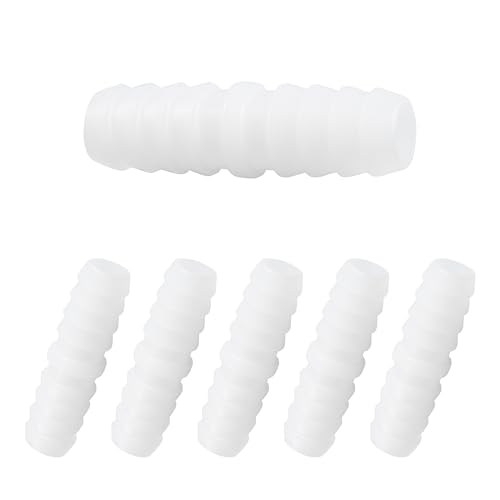
Best for multi-project versatility where multiple 3/8″ hoses must be connected or repaired. These six-pack connectors provide a cost-effective solution for spare parts across aquariums, household lines, fuel, gas, liquids, and air hoses. Made from premium plastic to deliver reliable strength and leak resistance. Choose this if you frequently work on several hoses and want consistent, compatible fittings. Limitation: compatibility with very rigid hoses may require careful seating and clamps.
JoyTube 1/2″ Barb X 1/2″ NPT Fittings (Pack of 6)
Best for mid-range tubing systems requiring a sturdier 1/2″ connection. The plastic hose barb fittings resist cracking and fading, featuring easy connections to tubing and female-thread pipe fittings. They are light, compact, and suitable for small-to-medium scale projects in lighting, irrigation, or DIY plumbing. Caution: verify that both hose and thread sizes match precisely to prevent leaks.
Parker Hannifin 3/4″ Par-Barb Male Connector
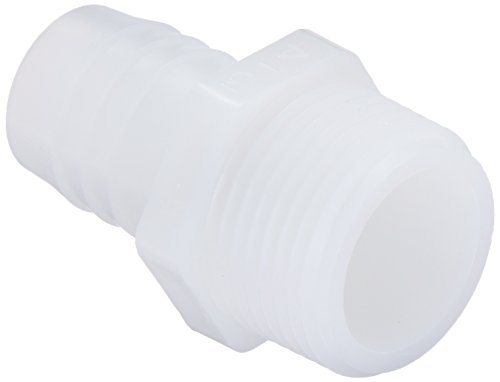
Best for higher-strength needs where chemical resistance matters. This Parker Hannifin fitting is molded from high-strength, chemically inert thermoplastic materials with a multiple barb design to maximize gripping and sealing. FDA-compliant material ensures suitability for certain sanitary or approved food-contact environments. Choose this for more demanding, professional-style installations. Limitation: larger size may be less suitable for compact DIY projects.
Quickun 1/2″ Barb to 1/2″ Male Thread Fitting

Best for general-purpose repairs and adapters where a dependable 1/2″ connection is needed on both ends. The 1/2″ barb to 1/2″ NPT male threading provides straightforward installation for hobbyists and light commercial tasks. The barbed end ensures a tight seal with clamps. Limitation: plastic materials may not be suited for high-pressure systems or aggressive chemical exposure.
Buying Guide
What size do you need? Common sizes are 3/8″ and 1/2″ barbs with matching NPT threads. Verify hose ID and pipe thread compatibility to prevent leaks.
What material matters? Nylon and other plastics offer light weight and corrosion resistance but may not handle very high pressures or certain chemicals. For tougher environments, consider thermoplastic or higher-strength options.
Single-use or multi-pack? Multi-pack fittings are ideal for projects with multiple connections or frequent repairs. They save time and money on replacements.
What installation methods help seal? Use hose clamps, crimp sleeves, or ferrules as needed to ensure a leak-free seal, especially with flexible hoses.
Best practice for durability? Inspect fittings for smooth inner walls and proper seating to minimize flow resistance and reduce crack risk over time.
FAQ
- What is a hose barb fitting used for? – It connects a hose to a pipe or another hose, creating a secure, leak-resistant joint.
- Are nylon fittings suitable for water systems? – Yes, for low-to-medium pressure applications and non-corrosive fluids.
- How do I choose the right size? – Match the hose ID to the barb size and ensure the NPT thread matches the female connector in your system.
- Can I reuse fittings? – Reuse depends on the integrity of the barbs and threads; inspect for cracks or deformation before reuse.
- Do I need clamps? – Clamps or crimp sleeves improve the seal, especially on semi-rigid or flexible hoses.
- Is plastic better than metal for hose fittings? – Plastic is lighter and corrosion-resistant, while metal offers higher strength for high-pressure tasks.