Choosing non plastic floss picks helps reduce plastic waste while keeping teeth clean. This guide highlights top plant-based and biodegradable floss picks that perform well for daily flossing, gum health, and busy lifestyles. Each option focuses on sustainable materials, strong floss, and minimal environmental impact. Read on to compare design, materials, and how they fit different needs—from travel-friendly packs to bulk purchases for families.
Summary of chosen products
| Product | Brand | Key Benefit | Material Focus |
|---|---|---|---|
| Natural Dental Floss Picks 75 Pack | Beautiful Mind | Completely plant-based with bamboo charcoal floss | Bamboo, Corn Starch |
| Biodegradable Dental Floss Picks 100 Count | Smart Feelings Co. | 100% biodegradable packaging; 2-in-1 design | Straw Wheat, Paper |
| The Humble Co Dental Floss Picks | The Humble Co. | Plant-based, reduced plastic, double-thread | Cornstarch, Plant-based polymer |
| SmartLifeco Eco-Friendly Dental Floss Picks (100ct) | SmartLifeco | Straw-wheat blend; anti-shred | Straw Wheat Blend, PLA |
| Lakeyface Biodegradable Dental Floss Picks | Lakeyface | 200-count; portable, biodegradable | Corn starch |
Natural Dental Floss Picks 75 Pack

These 75 plant-based floss picks deliver a complete cleaning experience with a bamboo charcoal floss and a vegan corn starch handle. The design emphasizes a strong, shred-resistant floss thread sourced from bamboo ashes, paired with a pointy end that acts like a toothpick for hard-to-reach spots. The handles are fully biodegradable with compostable corn starch, making disposal low-impact for eco-conscious households. Suitable for both adults and kids, they reduce the risk of microplastic ingestion during flossing and align with sustainable living goals.
Biodegradable Dental Floss Picks 100 Count

Smart Feelings Co. offers two packages that emphasize 100% biodegradable components, with floss picks made from straw wheat and paper packaging that is fully recyclable. The design includes an extra-thin floss for tight gaps and a flexible toothpick end for massaging gums. This option minimizes environmental impact while delivering a comfortable flossing experience, ideal for eco-conscious families seeking waste-reducing alternatives without compromising effectiveness.
The Humble Co Dental Floss Picks

The Humble Co. distributes a 200-count mint-flavored floss pick set designed to reduce plastic waste with 53% plant-based materials in the handle, which relies on cornstarch as a primary component. The floss is double-threaded for extra strength, providing a sturdy clean that resists shredding. This option suits daily users who want a plant-based solution with a robust floss action and a recognizable commitment to sustainability.
SmartLifeco Eco-Friendly Floss Picks (100ct)
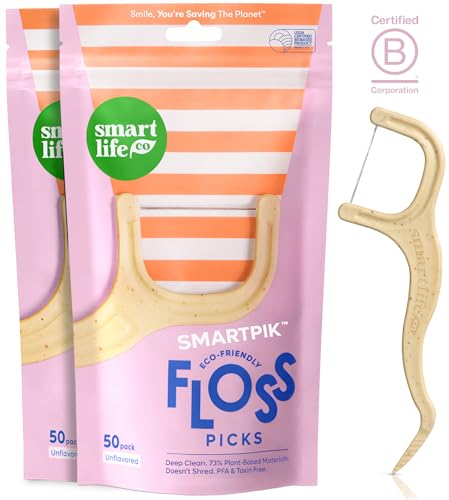
SmartLifeco’s 100-piece set features a straw-wheat blend with PLA, celebrated for being plant-based and recyclable packaging. The floss thread is the strongest and thinnest on a pick, waxed with candelilla for smooth glide between teeth and tight gaps. The textured tooth pick end aids debris removal, and the compact travel packaging makes it convenient for on-the-go use, aligning with sustainable lifestyles without compromising performance.
SmartLifeco Eco-Friendly Floss Picks (200ct)

This larger 200-count option mirrors the 100-count version with a straw-wheat blend and anti-shred thread. It emphasizes a resilient wire-like floss that remains effective in tight spaces and a candelilla wax coating for smooth interproximal cleaning. The design also prioritizes eco-friendly materials and packaging, offering a practical bulk solution for households committed to reducing plastic usage.
Lakeyface Biodegradable Dental Floss Picks

Lakeyface offers 200-count, biodegradable dental floss picks made from corn starch. The box comes as four bags of 50, facilitating portability and travel. The floss is mint-flavored and designed to resist shredding, ensuring dependable cleaning between teeth. The packaging emphasizes a low-plastic footprint, catering to consumers seeking a compact, eco-friendly oral care solution with reliable performance.
Buying Guide: Key Purchase Considerations
- Material composition: Prioritize picks with plant-based handles and biodegradable floss components, such as corn starch, bamboo, or straw wheat blends. Check for compostable or recyclable packaging to minimize waste.
- Floss strength and shred resistance: Look for double-thread or reinforced floss that resists fraying, especially for people with narrow gaps or braces. A smooth glide reduces gum irritation.
- Gum health and flavor: Mint or unflavored options accommodate sensitive gums and personal preferences. Some picks include texture to stimulate the gumline while cleaning.
- Portability and packaging: For travel or on-the-go use, choose compact, resealable, or multi-pack options with minimal plastic. Consider bulk packs for families to reduce overall waste.
- Certifications and sustainability claims: Verify claims about bio-based materials, non-GMO ingredients, and third-party certifications when available to ensure environmental standards align with expectations.
- Maintenance and reuse potential: While most picks are single-use, some models emphasize durability and the ability to reuse components where feasible, reducing overall waste.
- Price-to-value: Compare counts per pack and per-use cost. Higher counts can offer better long-term value, but ensure the materials meet your sustainability goals.
- Allergy considerations: If sensitive to wheat or corn-based materials, review the product details for potential allergens and opt for alternatives accordingly.
Additional Perspectives
Environmentally friendly floss picks balance performance with sustainability. For households with children, choosing plant-based handles reduces microplastic exposure from daily flossing. For frequent travelers, compact, biodegradable options minimize waste during trips. In workplaces or schools, bulk biodegradable packs can support sustainability initiatives while maintaining oral care standards. Consumers should evaluate both the materials and the end-of-life options to ensure their choice aligns with personal values and local composting capabilities.