Looking for a coconut oil lip scrub that truly nourishes while exfoliating? This guide highlights five well-rounded options ideal for different lip care needs. Whether you have dry, chapped lips, want a gentle everyday scrub, or seek a priming base for lipstick, there’s a coconut oil lip scrub here for you. Designed for American buyers, these picks emphasize natural ingredients, moisturizing oils, and a soft exfoliation. The top picks are best for dry lips, sensitive skin, or those who want a pleasant coconut scent while treating flaky lips. A quick buyer’s table follows to compare essentials at a glance.
Buyer-friendly summary table (quick glance):
- Brooklyn Botany Lip Scrub Exfoliator — Great first step for dry lips; coconut and shea nourish.
- Handmade Heroes Coconut Lip Scrub — Fully natural, dermatologically tested, gentle for sensitive lips.
- EJW Coconut Sugar Lip Scrub — Balanced exfoliation with vitamin E and coconut oil.
- Kopari Coconut Lip Scrubby — Premium volcanic sand for deeper buff; ideal for a weekly treatment.
- e.l.f. Lip Exfoliator (Brown Sugar) — Affordable, easily available, jojoba and avocado oils for moisture.
Brooklyn Botany Lip Scrub Exfoliator

Best for: Lips prone to dryness and cracking that need both exfoliation and gentle moisturization. This scrub uses coconut oil, sunflower oil, cocoa butter, and shea butter to nourish as it removes dry flakes. It’s a solid choice for daily or weekly use to keep lips smooth and brighter.
Why selected: The combination of natural oils and butters supports lip barrier health while delivering noticeable softening after use. It’s a straightforward, no-frills option for people who want a comforting coconut-scented lip care routine.
Caution: Those sensitive to fragrance may notice a mild scent from coconut-derived ingredients; test on a small patch if irritation occurs.
Handmade Heroes Coconut Lip Scrub
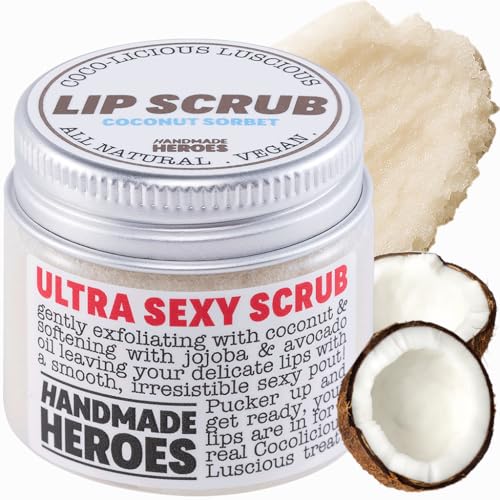
Best for: Natural, clean ingredients and sensitive lips. This vegan lip scrub is formulated with coconut sorbet sugar and is free from synthetic fragrances, parabens, and sulfates. Dermatologically tested in the USA, it’s suitable for cautious shoppers who prioritize gentle formulas.
Why selected: It emphasizes 100% natural ingredients and compatibility with lip care routines that include a lip butter or mask. The 1oz size is convenient for travel or on-the-go use.
Caution: As with all scrubs, avoid applying to cracked skin that could worsen irritation; apply a light amount and rinse thoroughly.
Coconut Sugar Lip Scrub by EJW

Best for: Those who want a gentle, creamy coconut-vanilla experience with hydrating ingredients. The scrub features premium sugar crystals, coconut oil, shea butter, and vitamin E to moisturize while exfoliating.
Why selected: The texture is designed to be effective without feeling harsh, making it suitable for sensitive lips and for use before applying lipstick to ensure smooth application.
Caution: The aroma is coconut-forward; consider scent preferences if sensitive to fragrances.
Kopari Coconut Lip Scrubby
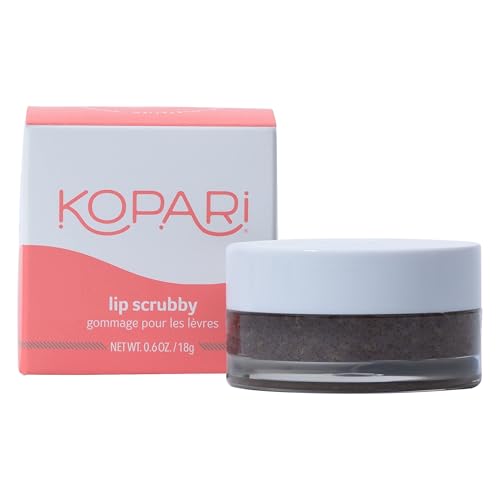
Best for: A premium, weekly lip scrub that combines coconut oil with fine volcanic sand and brown sugar for a deeper, but still gentle, exfoliation. It primes lips for lipstick and helps reveal a smoother base.
Why selected: Kopari’s formula is known for a richer texture that delivers a more noticeable buff, making it a good choice for those needing more substantial exfoliation occasionally.
Caution: The presence of volcanic sand means it’s less appropriate for ultra-sensitive lips or very chapped skin that could benefit more from milder exfoliation.
e.l.f. Lip Exfoliator (Brown Sugar)

Best for: Budget-conscious buyers who want effective exfoliation with nourishing oils. This version uses brown sugar and is infused with jojoba oil, avocado oil, and shea butter to hydrate while removing dead skin.
Why selected: It provides a balance of exfoliation and moisture at an affordable price point, making it accessible for daily routines or as a first trial of coconut oil-based lip scrubs.
Limitation: Brown sugar may feel less luxurious than finer sugar or volcanic sand for some users; results may vary with lip sensitivity.
Buying Guide: How to Choose the Right Coconut Oil Lip Scrub
- If you have very dry or flaky lips, look for fine sugar crystals or gentle natural exfoliants. For a deeper buff, consider a scrub with volcanic sand in moderation.
- moisturizing ingredients: Prioritize formulas with coconut oil, shea butter, or avocado oil to hydrate while exfoliating. Jojoba oil helps lock in moisture.
- scent and fragrance: Coconut-forward scents are common, but sensitive skin might prefer fragrance-free or lighter aromas. Always patch test if prone to irritation.
- lip care routine compatibility: For best results, pair a scrub with a lip balm or mask. Some formulas are designed as stand-alone exfoliators, others act as exfoliating primers for lipstick.
- skin sensitivity: If lips are cracked or inflamed, choose a milder formula and avoid aggressive scrubs. Dermatologically tested options can reduce irritation risk.
- packaging and usage: Travel-friendly tubes or pots work well for on-the-go use. Consider jar texture if you prefer easier application with fingers or spatulas.
Frequently Asked Questions
- Do coconut lip scrubs actually moisturize lips? Yes, many formulas combine coconut oil with other butters and oils to hydrate while exfoliating.
- How often should I use a lip scrub? Typically 1–3 times per week, depending on lip dryness and tolerance. Avoid daily use if lips are very sensitive.
- Can lip scrubs fade lip color? Exfoliating before applying lipstick helps color apply evenly but excessive scrubbing can irritate lips and affect color wear.
- What is the best base for lip scrub ingredients? Look for a balance of exfoliant granules and nourishing oils like coconut oil, jojoba oil, and shea butter.
- Are these products vegan or cruelty-free? Several listed options are vegan and cruelty-free; verify each product page for certification if needed.
- Can lip scrubs irritate sensitive lips? Some people may experience mild tingling or irritation. Patch testing and choosing fragrance-free options can help reduce risk.