Answer: The best lapis lazuli style paints offer rich blue hues with mineral authenticity, strong lightfastness, and a granulating or luminous quality that makes them ideal for detailed work, landscapes, and jewel-toned accents. This guide highlights top lapis-inspired options and helps you choose based on pigment depth, granulation, and finish. Best for traditional painters seeking gemstone-inspired blues, best for mixed-media artists chasing mineral-derived color, and best for beginners needing a reliable, easy-to-use lapis-like tint.
Buyer’s summary table
- Product: DANIEL SMITH Extra Fine Lapis Lazuli Genuine 15ml
- Best for: Traditional watercolorists who want authentic mineral pigment with lightfastness
- Key strength: Genuine lapis lazuli pigment, transparent, granulating
- Limitations: Higher cost due to gem pigment
- Product: Daniel Smith Ultramarine Blue 15ml
- Best for: Artists needing a cooler, versatile blue with strong staining
- Key strength: Consistent granulation, excellent lightfastness
- Limitations: Ultramarine can be less granular in washes
- Product: L’oeil Genuine Minerals Lapis Lazuli from Chile 15ml
- Best for: Pigment purists and mineral color lovers seeking authentic mineral composition
- Key strength: Pure mineral pigment, high concentration
- Limitations: Requires careful storage due to binder separation
- Product: Duochrome Lapis Sunlight (Daniel Smith) 5ml
- Best for: Artists exploring iridescent effects and luminescent layering
- Key strength: Shifts color on black/dark paper, Luminescent
- Limitations: Best used as glaze over dark values
- Product: Sodalite Genuine 5ml
- Best for: Those who want a deep blue with mineral character and granulation
- Key strength: Mineral-based, three-dimensional texture when dry
- Limitations: Not true lapis lazuli pigment, but related mineral family
DANIEL SMITH Extra Fine Lapis Lazuli Genuine 15ml
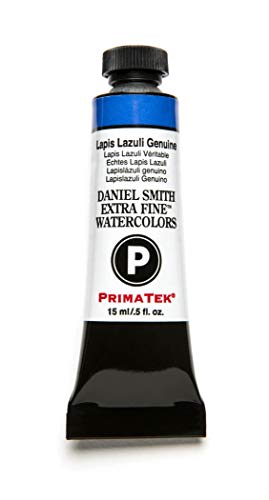
DANIEL SMITH’s Lapis Lazuli Genuine uses gem-grade pigment with high purity. It is transparent and granulating, offering a subtle blue-grey tone ideal for luminous glazes and mineral-inspired landscapes. Best for artists seeking an authentic mineral pigment with strong lightfastness and a classic lapis look. A caveat is price sensitivity due to gemstone materials, which may be a consideration for frequent use or large works.
Why selected: This color delivers authentic lapis lazuli depth and granulation, closely mimicking the gemstone’s natural shimmer, making it a cornerstone for mineral-inspired palettes.
Who it’s best for: Traditional watercolorists, mineral pigment enthusiasts, and painters who emphasize light-reflective qualities.
Caution: The pigment’s gem-derived nature can drive higher cost and variable pigment load between batches.
Daniel Smith Ultramarine Blue 15ml
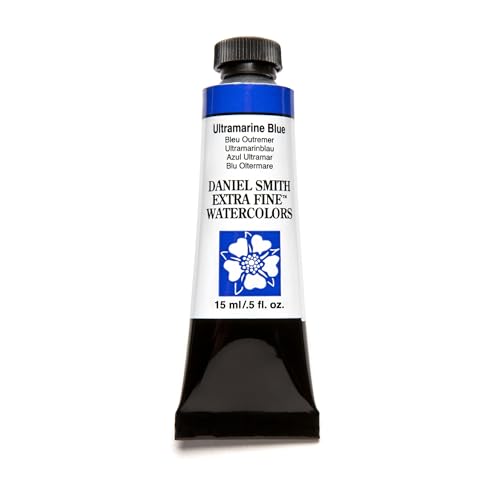
Ultramarine Blue is a staple cooler blue with great versatility. It tends to plot cooler and bluer than standard French Ultramarine and remains highly lightfast and transparent with granulation. Better for controlled washes, yet more saturated washes can be achieved by using it straight or mixing with warmer reds. This option is best for artists who need a reliable cool blue that blends well with lapis-inspired hues.
Why selected: It complements lapis tones by offering a cooler contrast and strong layering capabilities, useful for skies, shadows, and cool shadows in portraits and seascapes.
Who it’s best for: Painters who want a dependable basic blue that can be tuned with glazes for depth and mood.
Caution: May appear flatter in heavy washes; use granulating techniques to maximize texture.
L’oeil Genuine Minerals Lapis Lazuli From Chile 15ml

This product uses genuine Lapis Lazuli from Chile and avoids fillers, focusing on a pure mineral pigment with natural binder separation. It yields brilliant, vibrant color with depth and luminosity. It’s highly suitable for artists who want a mineral-based color with minimal interference from additives. The binder separation during storage requires gently redistributing the tube before use.
Why selected: It provides an authentic mineral-based lapis experience, with strong pigment concentration and depth unmatched by non-mineral alternatives.
Who it’s best for: Mineral pigment purists, colorists who value authentic mineral chemistry, and those painting gem-like blues with rich granulation.
Caution: Storage requires occasional tube re-mixing to maintain pigment integrity.
Daniel Smith Duochrome Lapis Sunlight
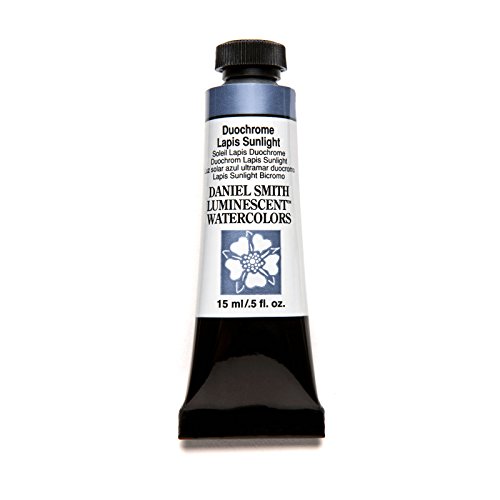
Duochrome Lapis Sunlight is part of Daniel Smith’s Luminescent line, showing color shifts when viewed on dark paper or in reflected light. It alternates between green and blue depending on light, offering a pearly sheen that adds sparkle to a lapis palette. Use as a glaze over darker tones to reveal iridescent effects for shells, feathers, or aquatic scenes.
Why selected: For painters seeking iridescent, mineral-inspired effects beyond standard blues, this color delivers a unique, light-reactive finish.
Who it’s best for: Artists exploring luminous, multi-angle color shifts and jewel-like highlights.
Caution: Best used on dark backgrounds or glazes; over-light areas it may lose its sheen.
DANIEL SMITH Sodalite Genuine 5ml
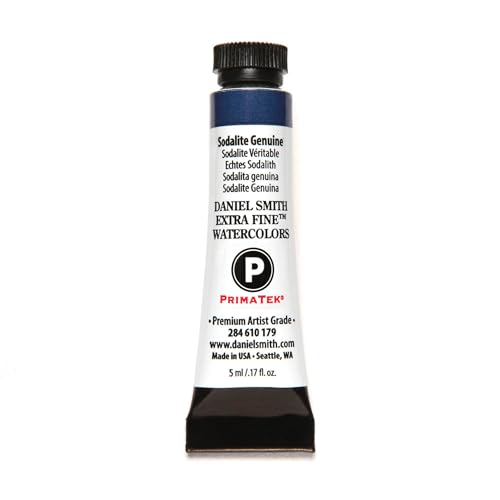
Sodalite Genuine presents a deep blue color derived from a mineral ingredient related to lapis lazuli. It granulates, creating a three-dimensional surface and a blue-black undertone that enriches layering. It’s a good option when a non-lapis mineral alternative is desired for similar tonal depth.
Why selected: It offers mineral-based depth and granulation that complements lapis hues with a richer texture and color range.
Who it’s best for: Artists who want a deep mineral blue with pronounced texture to add dimension to scenes and portraits.
Caution: Not a true lapis pigment; suitability depends on the exact mineral blend desired.
Buying Guide: Lapis Lazuli Color In Watercolor And Pigments
What should I look for in lapis-inspired pigments?
Consider pigment origin (true lapis lazuli vs. related minerals), lightfastness, transparency, granulation, and potential fillers. Mineral-based options tend to granulate and provide depth, while luminescent or duochrome options add iridescent effects. Balance cost with pigment purity for your project needs.
How to use lapis blues effectively?
Use lighter washes to establish skies or distant tones, then layer with deeper mineral blues for shadows and features. Dip glazing over darker grounds to reveal metallic or shimmering highlights in low light. Combine with warm reds for vivid neutrals and create luminous surfaces by glazing thin layers.
Which finishes pair best with lapis blues?
Transparent washes show granulation well. Luminescent or duochrome colors pair nicely with dark paper or heavy glazes. For portraits, use cooler blues for shadows and warmer lakes or skies to evoke natural light dynamics.
Storage and handling tips
Mineral pigments may separate in storage. Before use, gently mix the binder and pigment layers to ensure consistent color. Keep tubes sealed, store in a cool, dry place away from direct sunlight to maintain pigment integrity.
FAQ
- What is lapis lazuli pigment? A blue pigment derived from lapis lazuli or related minerals, valued for depth and luminosity in art.
- Is ultramarine blue a lapis substitute? It is a related pigment that offers a cooler blue with strong lightfastness, but it is not the same mineral-based pigment as lapis lazuli.
- Are mineral-based blues more expensive? Often yes, due to pigment sourcing, but they offer unique depth and granulation effects.
- Can I mix these colors with standard blues? Yes, to modify hue, granulation, and opacity. Start with small tests to achieve the desired effect.
- How do I glaze with lapis blues? Apply thin, transparent layers over dried areas to build depth and preserve luminosity.
- Which lapis option is best for beginners? Ultramarine Blue or Sodalite Genuine can be easier to handle, while mineral lapis options provide deeper complexity for experienced artists.