Answering the need for hands-off irrigation, gravity-fed watering systems provide steady moisture with minimal effort. These setups are ideal for busy growers, vacation periods, or anyone who wants reliable hydration without constant monitoring. The following picks showcase a mix of large-reservoir bases, drip kits, and portable gravity bags—each chosen for practicality, durability, and suitability to different growing environments.
| Product | Brand | Type | Best For |
|---|---|---|---|
| Spider Farmer Gravity-Fed Self-Watering System | Spider Farmer | Gravity-fed reservoir with wick-based base | Grow tents, small-to-medium indoor gardens |
| Spider Farmer Auto Drip Irrigation System Kit | Spider Farmer | Drip irrigation with 13-gallon bucket | Indoor grows needing longer intervals between refills |
| HEKIWAY Drip Irrigation System with Timer | HEKIWAY | Automatic garden watering kit with timer | Outdoor gardens and greenhouses with flexible layouts |
| Battery Watering NT2212GF Gravity Feed Tank | Battery Watering Technologies | Small gravity-feed tank | Compact setups and portable irrigation |
| BlueBarrel Gravity-Fed Drip Kit with Bubbler Emitters | BlueBarrel | No-/low-pressure gravity drip kit | Rain barrels, cisterns, and low-pressure systems |
Note: Each product is described with its best-use scenarios, potential limitations, and why it stands out for gravity-fed irrigation. Compare features like reservoir size, outlet design, and ease of setup to choose the right system for your space and plant types.
Spider Farmer Gravity-Fed Self-Watering System
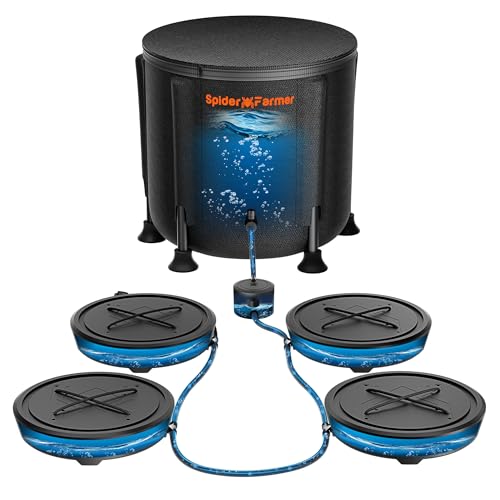
Best for: Indoor growers using grow tents or greenhouses who want a large reservoir and steady moisture. The system uses a 13-gallon reservoir to provide weeks of hydration with a wick-based base that distributes water to plants as needed. Its upgraded outlet design minimizes residual water, improving overall water use. This makes it suitable for busy schedules or vacations.
Why chosen: Large reservoir reduces refill frequency, and the wick-based delivery helps prevent both overwatering and underwatering by supplying water according to plant demand. The design emphasizes efficient water use and consistent moisture levels for healthier root development.
Caution: The system requires proper setup to ensure wicks are positioned correctly for uniform moisture across all pots. Overfilling can stress the system if connections aren’t secure.
Spider Farmer Auto Drip Irrigation System Kit

Best for: Grow tents or greenhouses where an automatic drip routine helps maintain consistent soil moisture with minimal manual intervention. The kit includes a 13-gallon bucket and a 25W pump for steady delivery and a low-water sensor helps control operation.
Why chosen: This kit reduces refill frequency and supports automated irrigation across multiple zones. The combination of a large-capacity bucket and adjustable emitter flow offers flexibility for different plant densities and pot sizes.
Caution: System setup requires attention to tubing routing and emitter placement to avoid dry spots or uneven irrigation. Ensure the pump is compatible with your power setup and that drainage is planned to prevent water pooling.
HEKIWAY Drip Irrigation System with Timer

Best for: Outdoor gardens, greenhouses, or complex plant layouts that benefit from 360° adjustable sprayers and bendable tubing. The system includes a smart timer for fully programmable watering with a Rain Delay mode to pause during rain.
Why chosen: The durable brass connectors and UV-resistant tubing stand up to outdoor conditions, while the 360° sprayers offer precise coverage. This is a solid choice when you need customizable watering across irregular bed shapes or multiple plant groups.
Caution: Batteries are not included; ensure you have compatible power sources and follow timing instructions to prevent overwatering during initial setup.
Battery Watering NT2212GF Gravity Feed Tank

Best for: Compact setups and portable irrigation systems needing a simple gravity-fed tank. This 2.5-gallon capacity provides a lightweight solution for small container gardens or temporary setups.
Why chosen: Its modest size and straightforward design make it easy to deploy in restricted spaces. The system is suitable for growers who want to add gravity irrigation without heavy equipment or complex installations.
Caution: Smaller capacity means more frequent refills compared with larger reservoirs. Verify that the tubing length fits your location and plant layout.
BlueBarrel Gravity-Fed Drip Kit with Bubbler Emitters
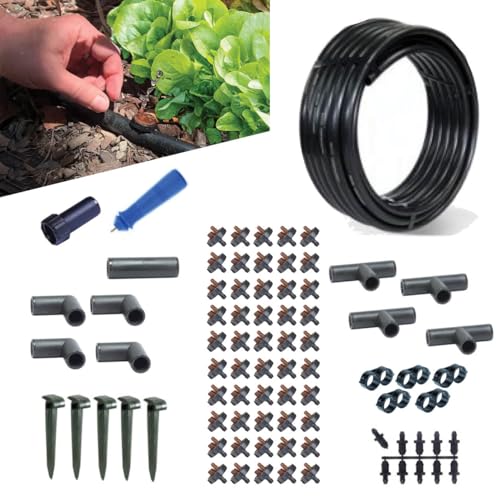
Best for: Rain barrels, cisterns, and no-pressure or low-pressure irrigation needs. The kit accommodates up to 50 plants in multiple rows with adjustable emitters to tailor watering per plant.
Why chosen: It supports larger plantings with gravity-fed distribution using bubbler emitters, making it ideal for folks with a DIY rainwater setup or educational demonstrations of low-pressure irrigation.
Caution: Works best with steady, gravity-driven pressure; if the source pressure fluctuates, emitter performance may vary. Follow included instructions for installation videos and setup.
Buying Guide: Gravity-Fed Watering System Essentials
- Reservoir size and refill frequency: Larger reservoirs reduce refills but require more space. Consider how long you’ll be away from the garden and pick a capacity accordingly.
- Delivery method and moisture control: Wick-based bases, drip emitters, and bubblers each deliver water differently. Choose based on plant types, pot sizes, and soil moisture needs.
- Pressure requirements: Gravity-fed systems rely on height and gravity. Low-pressure or no-pressure setups work best with emitters designed for zero-pressure conditions.
- Automation features: Timers, rain delay modes, and low-water sensors reduce maintenance. Verify compatibility with your power source or solar options when applicable.
- Durability and weather suitability: Outdoor setups need UV-resistant tubing, corrosion-resistant connectors, and robust construction for seasonal use.
- Space and layout considerations: Interior tents vs. outdoor beds require different routing of tubes and positioning of reservoirs for accessible maintenance.
- Maintenance tips: Regularly inspect emitters and tubing for clogs, clean reservoir surfaces, and ensure seeds or roots aren’t obstructing water flow.
Frequently Asked Questions
- What is a gravity-fed watering system? A system that uses gravity to move water from a higher reservoir to plant roots through pipes or wicks, with minimal or no pumps.
- How often should I refill a gravity-fed reservoir? It depends on capacity and plant demand. Larger reservoirs can last weeks; smaller ones may require daily checks.
- Can gravity-fed systems prevent overwatering? Yes, many designs use controlled outlets and wicks to match water release to plant needs, reducing overwatering risks.
- Are these systems suitable for outdoor use? Many are, especially those with UV-resistant tubing and brass connectors, but check weather resistance and maintenance needs.
- Do I need electricity for gravity-fed systems? Most do not require electricity unless they include a timer or powered pump for enhanced control.
- What plants benefit most from gravity-fed irrigation? A wide range including leafy greens, herbs, vegetables, and flowering plants in containers or beds, as long as you match emitter flow to plant water needs.