Instantly boost blooming plants with purpose-built fertilizers designed to feed flowers at key growth stages. This guide highlights five top options to help you choose the right bloom booster for your garden, container, or greenhouse. Best for home gardeners seeking repeatable, measurable flowering results and simple feeding schedules. The top picks cover water-soluble formulas for quick color, concentrated boosters for strong root uptake, and organic-style options for soil health. Use the quick comparison table to decide which product fits your plants and routine.
| Product | Type | Best For | Typical Use |
|---|---|---|---|
| Miracle-Gro 1-Pound 1360011 Water Soluble Bloom Booster | Water-soluble | Container plants and mixed borders | Feed every 2 weeks |
| Miracle-Gro Water Soluble Bloom Booster Flower Food 4 lb | Water-soluble | Garden beds and larger plantings | Feed every 2 weeks |
| Scotts Super Bloom Water Soluble Plant Food, 2 lbs | Water-soluble | All flowering ornamentals | Feed every 1-2 weeks |
| Fox Farm Big Bloom Liquid Plant Food | Liquid (organic-style) | Ornamentals and fruiting plants | Immediate feeding at growth stages |
| Farmer’s Secret Fruit & Bloom Booster Fertilizer (16 oz) | Concentrated liquid | Fruits, vegetables, and flowers | Dilute 1 teaspoon per 2 gallons |
Miracle-Gro 1-Pound Bloom Booster

This water-soluble formula is designed for all blooming plants, delivering instant feeding for visible improvement in color and number of blooms. Best for container gardens and mixed plantings that require quick nutrient uptake. It’s a good fit for gardeners who want a predictable feeding schedule every two weeks. A potential limitation is the need for regular application to maintain peak bloom, especially in hot or dry conditions.
Miracle-Gro Water Soluble Bloom Booster 4 lb

This larger, water-soluble bloom booster is aimed at bigger plantings or beds that benefit from consistent, visible flowering enhancements. It feeds plants quickly and supports more blooms and vibrant color versus unfed plants. It’s better for gardeners who need longer intervals between refills or who manage seasonal beds. The main caveat is carrying and mixing a larger bag, which may be more than a casual desktop planter requires.
Scotts Super Bloom Water Soluble Plant Food
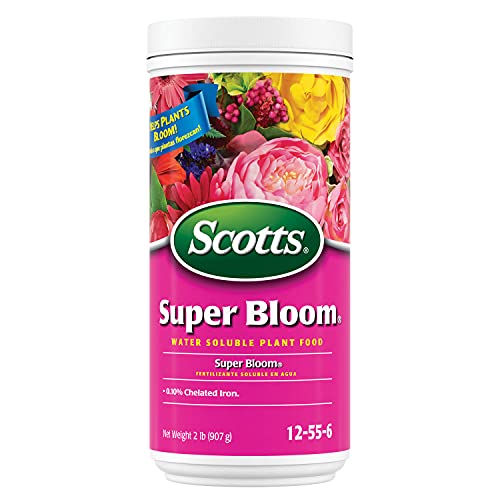
This product highlights high phosphorus content to bolster bloom production, making it ideal for ornamental flowering plants and flowering shrubs. It’s best for gardeners who want a straightforward, routine feeding every 1-2 weeks with instant uptake. A limitation is that some plants may respond more to higher or lower phosphorus, so observe bloom performance and adjust as needed.
Miracle-Gro Shake ‘n Feed Rose & Bloom

This long-lasting granular formula feeds for up to three months and is especially suited for roses and other flowering shrubs. It contains natural ingredients that help soil microbes, which can support sustained bloom. Choose this for low-maintenance feeding and longer intervals between applications, but note it’s a granular product, which may require more careful application in windy conditions or hard-to-reach beds.
Fox Farm Big Bloom Liquid Plant Food

Big Bloom combines natural ingredients like earthworm castings and bat guano to support blooms and fruiting at all growth stages. It offers quick nutrient uptake and is well-suited for gardeners seeking an organic-style option that still delivers visible flowering improvements. It’s best for ongoing care in organic-style gardens, but users should monitor the scent and adjust to household use or indoor spaces if odor is a concern.
Buying Guide: Bloom Fertilizer For Bright, Lasting Color
What bloom booster should you choose? Consider growth stage, plant type, and planting style (containers vs in-ground beds). Water-soluble formulas provide rapid results, while granular or concentrate options offer longer-lasting feeding with less frequent mixing. Below are practical questions to guide selection.
- How quickly do you want results? If fast color and more blooms are needed, water-soluble products typically provide quicker nutrient access.
- What plants are you feeding? For roses, petunias, and ornamentals, high phosphorus bloom boosters support flower development; for fruit-bearing plants, consider products that also support root health and nutrient uptake.
- Container vs garden bed? Smaller containers benefit from soluble fertilizers that dissolve rapidly; larger beds can handle bulkier formulations or longer-lasting granules.
- Maintenance level? If you prefer less frequent feeding, look for products advertised as long-lasting or slow-release.
- Soil health and organic preferences? Organic-style options with natural ingredients support soil biology but may require more frequent applications to match synthetic performance.
What to track after applying bloom boosters
- Bloom density and color intensity
- Leaf health and growth rate
- Soil moisture and drainage, especially with soluble formulas
- Any signs of nutrient burn or chlorosis and adjust frequency accordingly
FAQs
- Q: How often should I feed flowering plants with bloom boosters? A: Most products recommend every 1-2 weeks for water-soluble formulas, or as directed for concentrates and granules.
- Q: Can I mix bloom boosters with other plant foods? A: It’s best to follow the product instructions to avoid nutrient burn or imbalanced feeding.
- Q: Are bloom boosters safe for edible plants? A: Many are suitable for edible ornamentals, but always check product guidelines and rinse produce as appropriate after feeding.
- Q: What is the advantage of a concentrated booster? A: Concentrates require smaller amounts per use, making them economical for larger gardens while delivering strong root uptake and bloom support.
- Q: Do bloom boosters replace regular soil care? A: No, they complement good soil health, proper watering, and appropriate light for best results.