When you want reliable hearing protection or quiet, these ear plugs are designed to reduce unwanted noise without sacrificing comfort. The top picks below cater to different needs—from deep sleep and travel to concerts and study. Choose based on your preferred material, level of attenuation, and how you wear them. This guide highlights who each product is best for and why it stands out.
Summary table of chosen products:
| Product | Best For | NRR / Noise Reduction | Material |
|---|---|---|---|
| Mack’s Ultra Soft Foam Earplugs | Sleepers and snorers | 33 dB | Foam |
| Flents Protechs Foam Ear Plugs | Travelers and concertgoers | 33 dB | Foam |
| 3M Corded Reusable Earplugs | General use, work environments | 25 dB | Foam (tri-flange design) |
| Loop Quiet 2 Ear Plugs | Sleep, focus, travel | 24 dB | Silicone |
| Evisoul 55dB Noise Reduction Ear Plugs | Side sleepers and heavy snorers | 55 dB | Silicone |
Mack’s Ultra Soft Foam Earplugs, 50 Pair

Best for: Sleepers and light sleepers who want high comfort and strong attenuation. Mack’s uses Comfy Cush Comfort Foam with a low-pressure, slow release design for extended wear. The 33 dB NRR helps reduce snoring, loud traffic, and environmental noise while remaining comfortable for side sleepers. Caution: Some users may experience pressure if worn too tightly overnight.
Flents Protechs Foam Ear Plugs

Best for: Travelers and concert-goers needing reliable noise reduction on the go. With an NRR of 33, these foam plugs are designed for versatility—from sleeping at a noisy hotel to blocking crowd noise at events. They are soft and tapered for a secure fit, helping minimize irritation during longer wear. Caution: Real-world noise reduction depends on proper insertion and ear anatomy.
Reure High Fidelity Concert Ear Plugs
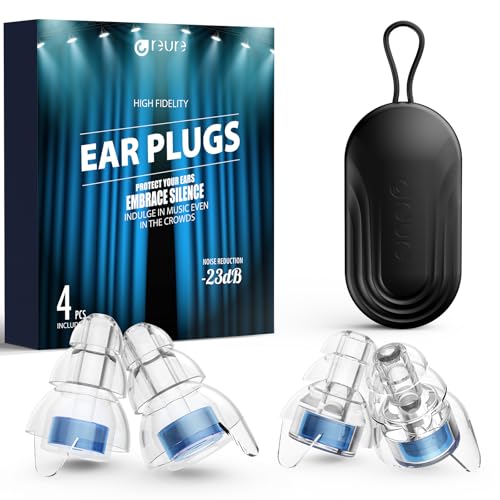
Best for: Musicians, concert-goers, and travelers who want to preserve sound quality while reducing noise. These silicone ear plugs aim to maintain a broad frequency range, offering 23 dB of attenuation. They are washable and reusable, making them a long-term option. Caution: Higher fidelity models may allow more ambient sound than foam plugs, so assess your need for total silence vs. sound clarity.
3M Corded Reusable Earplugs

Best for: General use in work and home environments where a reliable seal is needed without disposable plugs. The pliable tri-flange design helps secure the fit, and no-roll-down makes insertion cleaner if hands are dirty. They are washable and reusable to reduce waste. Caution: Fit and comfort can vary by ear shape; some users may prefer softer foam for extended wear.
Loop Quiet 2 Ear Plugs

Best for: Sleepers and people seeking deep focus with travel and daily noise awareness. These silicone plugs offer up to 24 dB of noise reduction and come with multiple tip sizes for a customizable fit. They are easy to clean and reusable, making them suitable for side sleepers and long wear. Caution: Silicone plugs can feel bulkier than foam for some users; select the size that minimizes pressure irritation.
Loop Quiet 2 Ear Plugs (Second Listing)

Best for: Similar use-case as the first Loop Quiet 2 entry—sleep, focus, and travel. Also silicone-based with 24 dB attenuation and a customizable fit through multiple tip sizes. Caution: As with any reusable silicone ear plug, proper cleaning is essential to prevent irritation or infection.
Flents Protechs Foam Ear Plugs (Purple)

Best for: Individuals seeking a strong 33 dB NRR in a disposable foam format, particularly for studying, commuting, or noisy environments. They’re designed to dampen background noise and help concentration or rest. Caution: Real-world results depend on fit and activity level; bulky ears may experience less seal integrity during extended use.
Buying Guide: Key Considerations For Ear Plugs
- Material matters: Foam plugs are typically budget-friendly and effective for sleep and travel, while silicone plugs offer durability and reusable comfort for repeated use and better sound fidelity in some cases.
- NRR and usage: Higher NRR numbers indicate stronger attenuation. Foam plugs often reach 33 dB, while silicone options commonly range lower per pair but may offer better comfort for extended wear.
- Fit and form: Tri-flange designs, tapered foam, and multi-size silicone tips influence seal quality. A poor fit reduces noise reduction and can cause discomfort.
- Reuse vs. disposal: Foam plugs are usually disposable after single use or a few uses, while silicone plugs are reusable with cleaning; consider your lifestyle and budget.
- Use-case alignment: Sleep-focused plugs prioritize comfort and quiet, while concert or travel plugs balance noise reduction with sound fidelity and situational awareness.
Frequently Asked Questions
- What makes ear plugs work effectively for sleep? – A comfortable fit, adequate attenuation (NRR), and proper insertion that forms a seal without excess pressure are essential for blocking snoring and ambient noise.
- Are silicone plugs better than foam for daily use? – Silicone plugs are reusable and can offer a comfortable fit for longer wear, but some people prefer foam for softer texture and higher initial attenuation.
- How do you choose the right NRR? – Higher NRR generally means more reduction. For sleeping in a noisy environment, 33 dB is typical; for concerts or loud work settings, consider higher attenuation in combination with other protections if needed.
- Can ear plugs damage hearing? – When used correctly, ear plugs help protect hearing by reducing exposure to loud sounds. Avoid inserting them too deeply or wearing them longer than comfortable to prevent ear canal irritation.
- Is cleaning silicone ear plugs important? – Yes. Clean regularly with mild soap and water to maintain hygiene and prolong life.
- What should I do if ear plugs feel uncomfortable? – Try a different material or size, ensure proper insertion, and consider a product with multiple tip sizes or a lower/adjustable attenuation level.