Answering the shopper’s question: the best calf starter feed formula and milk replacers pair a nutrient-dense starter for early solid-feed intake with easy-to-digest milk replacers for rapid growth. This guide highlights products suited for different needs—whether you’re starting calves on dry starter, feeding newborns, or supporting weaning and stress recovery. The top picks include a complete calf starter, multiple milk replacers, and options that emphasize digestion, immunity, and palatability for newborns and young calves.
Summary of selected products (quick reference):
| Product | ||||
|---|---|---|---|---|
| Purina Precon Complete Calf Feed | New calves starting dry feed | Calf starter | 50 lbs | Nutrient-dense, supports early development and immune health |
| Purina 22:20 All Milk Calf Milk Replacer (25 lb) | Newborn to early growth, strong immunity | All-milk replacer | 25 lb | Highly palatable all-milk proteins with immune support |
| ANNUSO Lifeline Calf Milk Replacer 20:20 (25 lb) | Balanced growth for calves with clean label | Milk replacer | 25 lb | 20:20 protein/fat, no artificial additives |
Purina Precon Complete Calf Feed, 50 Lbs

Product summary: A calf starter designed to support early development and health, with a highly palatable formula that helps calves transition from milk to dry feed. Best for buyers who need a complete starter that reduces the need for forage and streamlines weaning. Caution: Verify feeding schedules to avoid overconsumption in very young calves.
- Calf feed for calves: nutrient-dense, pelleted formula for early development.
- Palatability: designed to encourage quick intake after weaning or shipping stress.
- Complete starter: aims to minimize additional forage needs.
Purina 22:20 All Milk Calf Milk Replacer (25 LB)

Product summary: An all-milk protein replacer designed for newborn calves, with prebiotics for digestive health and vitamins/minerals to support immunity. Best for growers needing a high-protein, energy-dense milk replacer that calves readily accept. Limitation: Palatability features are balanced with cost considerations.
- Easily digestible milk proteins support swift growth.
- Prebiotics aid digestive health from birth.
- Immune-supporting vitamins and minerals included.
ANNUSO Lifeline Calf Milk Replacer 20:20 (25 lb)
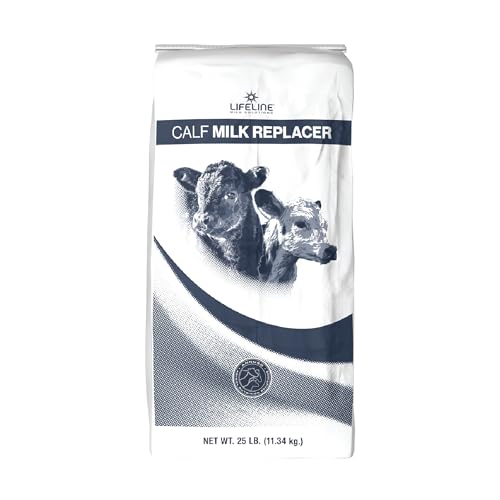
Product summary: Milk replacer balanced at 20% protein and 20% fat, aiming for steady weight gain and vitality. Best for calves needing a clean-label option with additives that support immunity and digestive health. Limitation: Some farms may prefer higher protein for rapid early growth.
- 20:20 protein to fat ratio supports steady growth.
- Free from artificial additives for clean-label welfare.
- Immunity and digestion boosters included.
Purina 22:20 All Milk Calf Milk Replacer (9 LB)

Product summary: A compact all-milk replacer designed for newborn calves, with prebiotics and immune-supporting vitamins/minerals. Best for smaller operations or as a starter supply for households with occasional calf care. Caution: Smaller packaging means more frequent restocking for larger herds.
- Highly palatable for newborn calves.
- Prebiotics support digestive health from birth.
- Immune-supporting vitamins and minerals included.
Buying Guide
What should I prioritize in calf starter feed?
Look for complete feeds that require minimal additional forage, high palatability to encourage intake, and a macro-nutrient profile suitable for early growth. For starter feeds, a formulation that supports gut health and immune function is valuable during weaning and transport stress.
What matters most in milk replacers?
Key factors include protein and fat content (higher levels support rapid growth), digestibility of the protein source, palatability, and added immune or digestive boosters like prebiotics, plasma, or herbal blends. Clean-label options may appeal to farms seeking minimal artificial additives.
How to choose between milk replacer products?
Consider calf life stage, birth-to-wean timeline, and feeding frequency. Higher-protein formulas (around 22-24%) are often used for newborns on fast-growth schedules, while balanced 20:20 blends may suit steady development in longer weaning programs.
Delivery and storage considerations
Most milk replacers come in bag formats; ensure proper sealing and storage in cool, dry conditions. Avoid moisture exposure to preserve powder quality and prevent caking or clumping.
Palatability and acceptance
Flavorings or natural herbs can improve intake in fussy calves. If calves refuse a new formula, slowly transition by mixing with a familiar product.
Practical feeding plan tips
- Introduce calf starter gradually with top-dressed, small amounts to encourage uptake.
- Monitor weight and intake to adjust portions and transition timing.
- Maintain clean water and a consistent feeding schedule to support digestion.
FAQ
- What is the best calf starter feed for weaned calves?
Purina Precon Complete Calf Feed is a robust starter designed to support early development and reduce additional forage needs, making it suitable for weaned calves transitioning to dry feed.
- Which milk replacer is best for newborn calves?
Purina 22:20 All Milk Calf Milk Replacer (25 lb) is formulated for newborn calves with highly digestible proteins and immune-supporting nutrients, promoting strong start and health.
- Are mint or herbal flavors important in calf replacers?
Palatability can improve intake, especially for calves that are slow to adapt to a new formula. Look for products with natural flavors or herbs designed to encourage consumption.
- Can I combine starter feed with milk replacer?
Yes. Start with a balanced milk replacer to meet protein and energy needs, while gradually offering a calf starter to promote rumen development and weaning readiness.
- What should I watch for during calf feeding transition?
Watch for reduced intake, diarrhea, or poor energy levels. If issues occur, adjust the transition pace and consult a livestock nutritionist if problems persist.