Knee-high graduated compression socks may help support leg comfort during long periods of standing, sitting, or travel, but they do not cure varicose veins. The Laite Hebe pair is best for shoppers seeking clearly stated 15–20 mmHg support; PULIOU is a useful option for warm weather and calf-size guidance; CHARMKING suits active everyday wear. Iseasoo emphasizes all-day comfort, while BLUEENJOY offers a six-pair set. Choose the right size and ask a healthcare professional whether compression socks are appropriate for you.
| Product | Best suited for | Notable detail |
|---|---|---|
| Laite Hebe | Everyday graduated support | 15–20 mmHg, knee-high design |
| PULIOU | Warm-weather wear | Calf measurements listed |
| CHARMKING | Activity and daily use | 15–20 mmHg, breathable fabric |
| Iseasoo | Long days and travel | Wide comfort band |
| BLUEENJOY | Buyers wanting multiple pairs | Six pairs per set |
Laite Hebe Graduated Compression Socks

These knee-high socks provide 15–20 mmHg graduated compression, with the firmest pressure at the ankle and gradually less pressure toward the calf. The nylon-blend fabric is described as soft and stretchy for a secure fit, and the design is intended for standing, sitting, walking, travel, and exercise.
Best for: Women looking for a clearly specified compression level for routine daytime wear. They were selected because the product description states the mmHg range and explains the graduated pressure pattern. Keep in mind: Confirm the sizing information on the product listing before ordering; the supplied details do not include measurements.
PULIOU Breathable 15–20 mmHg Socks

PULIOU lists 15–20 mmHg graduated support and describes a lighter, breathable fabric suited to warm weather, long shifts, physical activity, and air travel. Its size guidance prioritizes calf circumference: S/M fits calves measuring 11–15 inches, while L/XL fits 13.8–17.7 inches. The product also has a seamless toe and a stretchy wide-calf section.
Best for: Shoppers who want stated calf measurements and a lighter-feeling option for warm conditions. The fit details make comparison easier. Keep in mind: The listed calf ranges overlap, so check the full size chart and follow the manufacturer’s fit advice rather than choosing by shoe size alone.
CHARMKING 15–20 mmHg Compression Socks
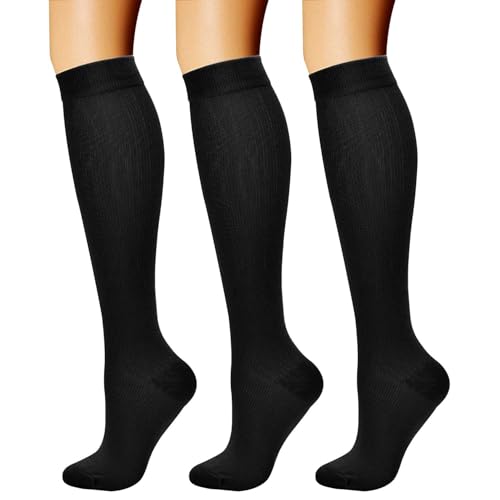
This three-pair set is described as providing 15–20 mmHg compression. The nylon-rich fabric is designed to stretch in multiple directions and remain breathable, while the lightweight fit is intended to support mobility during activities such as running, cycling, and work that involves prolonged standing.
Best for: Active wearers who want a stated compression range and multiple pairs for rotation. It was selected for its combination of everyday and athletic use in the product description. Keep in mind: The supplied product details specify S/M in black; verify that this size suits your calf before purchase.
Iseasoo All-Day Compression Socks

Iseasoo includes four pairs and describes the socks as soft, breathable, and flexible, with a wide top band intended to reduce pinching or rolling. The product is marketed for work, travel, sports, and long periods of sitting or standing. Its nylon construction is described as offering support while allowing flexibility.
Best for: Buyers prioritizing a multi-pair set and a comfort-focused top band for long days. The varied-use description makes these a versatile option. Keep in mind: The supplied features do not state a compression level in mmHg, so compare the listing carefully if a clinician has recommended a specific pressure.
BLUEENJOY Copper Compression Socks

This six-pair set is described as having targeted compression zones, moisture-wicking material, and a wide band designed to help prevent rolling. The product description mentions use for work, travel, exercise, and everyday wear. It also describes the fabric as having copper ions and temperature-control properties.
Best for: Shoppers who want several pairs and features such as moisture management and a wide top band. It stands out for the larger pack size. Keep in mind: The provided details do not specify a numerical mmHg level, so do not assume its compression matches a prescribed pressure.
Buying Guide: How To Choose Compression Socks
What compression level should you choose?
Check the stated mmHg range before buying. Two products in this selection list 15–20 mmHg, while others do not provide a numerical level in the supplied features. Compression needs vary. If you have varicose veins, circulation concerns, or a clinician’s recommendation, ask a healthcare professional which level and style are appropriate.
How should compression socks fit?
Use the manufacturer’s size chart and measure your calf as directed. A sock should feel supportive, not painfully tight, and should not cause numbness, color changes, or increased discomfort. PULIOU provides calf ranges; other listings may require checking their charts. Do not size down simply to make compression stronger.
Should you choose knee-high or ankle socks?
These selected products are intended as leg-covering compression socks, which may be more relevant when you want support extending from the foot toward the calf. Ankle compression socks, such as foot-focused styles, do not provide the same calf coverage. Choose based on the area you want covered and professional guidance.
What features matter for daily wear?
- Top band: A wide band may feel more comfortable and help limit rolling.
- Fabric: Breathable or moisture-wicking descriptions may appeal for warm weather or activity.
- Pack size: Multiple pairs can make it easier to rotate socks between wears.
- Care and fit: Review the product’s care instructions and sizing details before ordering.
Frequently Asked Questions
Can compression socks get rid of varicose veins?
No. They may support leg comfort and circulation, but they do not remove or cure varicose veins. Consult a healthcare professional about treatment options.
Can I wear compression socks all day?
Wear time depends on the product and your health needs. Follow the product instructions and ask a healthcare professional if you are unsure, especially if you have circulation or skin conditions.
Are 15–20 mmHg socks suitable for everyone?
No single compression level is right for everyone. Ask a healthcare professional whether that range is appropriate for your circumstances.
How do I know if the socks are too tight?
Pain, numbness, tingling, or changes in skin color can indicate a fit or circulation problem. Remove the socks and seek medical advice if symptoms persist or concern you.
Should I choose based on shoe size?
Not by shoe size alone. Check the manufacturer’s chart and measure calf circumference where requested, since leg fit is important for compression socks.