The best socks for circulation depend on whether you need graduated compression or a gentler, non-binding fit. ACTINPUT and Laite Hebe are options for everyday 15–20 mmHg compression; FITRELL offers firmer 20–30 mmHg support. Dr. Scholl’s is designed for a non-binding fit, while Incrediwear provides a low-ankle, non-binding alternative. Match the sock to your leg measurements and health needs, and ask a healthcare professional before using stronger compression for a medical condition.
| Product | Best For | Listed Support |
|---|---|---|
| ACTINPUT Copper Compression Socks | Everyday wear and flexible sizing | 15–20 mmHg |
| Iseasoo Copper Compression Socks | Multiple pairs for work or travel | 15–20 mmHg |
| Dr. Scholl’s Diabetes & Circulator | Non-binding comfort | Non-binding top |
| FITRELL Compression Socks | Sport and firmer compression | 20–30 mmHg |
| Laite Hebe Compression Socks | Everyday graduated compression | 15–20 mmHg |
ACTINPUT Copper Compression Socks

These socks provide listed 15–20 mmHg compression, a moderate level intended for everyday support. The nylon-based fabric is described as breathable and suitable for walking, travel, and routines that involve standing or moving for long periods. Sizes range from S/M to 4XL, including options intended for wider calves.
Best for: Shoppers seeking everyday knee-high-style compression with a broad range of listed sizes. The size selection and moderate compression make this a flexible choice for men and women.
Limitation: Compression socks can feel difficult to put on, and the product information does not specify calf measurements for each size. Check the seller’s sizing details before ordering.
Iseasoo Copper Compression Socks

This eight-pair set lists 15–20 mmHg compression and is intended for work, travel, and exercise. The described fabric is breathable and moisture-wicking. The larger multipack may suit people who want several pairs available for a workweek or regular rotation.
Best for: Buyers who prioritize having multiple pairs for frequent wear, including people who spend long periods sitting or standing. Its listed compression level matches the moderate range found in several everyday options.
Limitation: The supplied listing identifies the size as L/XL, so shoppers should confirm that the fit is appropriate. Claims about copper and circulation are product claims; the provided information does not establish a medical benefit from copper fibers.
Dr. Scholl’s Non-Binding Circulator Socks
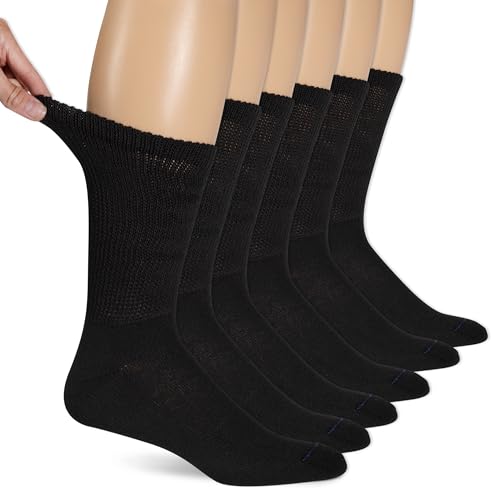
Unlike compression socks with a specified pressure level, this style has a soft, non-binding comfort top designed to conform gently without constricting. The listing describes the socks as intended for people with diabetes or circulation concerns and notes moisture management. It also states that the product is accepted by the American Podiatric Medical Association for promoting good foot health.
Best for: People looking for a less constrictive top rather than a measured compression level. This makes it a useful comparison for shoppers who find tight cuffs uncomfortable.
Limitation: These are not listed with a mmHg compression rating. Ask a healthcare professional whether non-binding socks or graduated compression is more appropriate for your needs.
FITRELL 20–30 mmHg Compression Socks
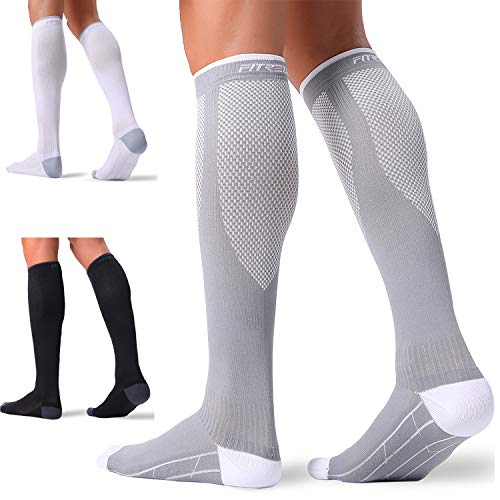
FITRELL lists 20–30 mmHg compression, a firmer level than the 15–20 mmHg options in this guide. Features include a moisture-wicking fabric, mesh around the calf, a seamless toe, and cushioned soles. The listing advises choosing a size based first on calf measurement: S/M fits a 9–15-inch calf, while L/XL fits a 14–16-inch calf.
Best for: Buyers seeking stronger listed compression and cushioning for activities such as running or travel. The specific calf measurements help shoppers compare fit.
Limitation: This higher compression level may not be suitable for everyone. Consult a healthcare professional before choosing it for a medical concern, and follow the stated measurement guidance rather than sizing by shoe size alone.
Laite Hebe Graduated Compression Socks

This three-pair set lists graduated 15–20 mmHg compression. Its features include a wide band intended to help prevent rolling, stretch fabric, temperature-control properties, and extra thickness around the foot. The listing describes use during long periods of sitting or standing, travel, sports, and post-workout recovery.
Best for: Shoppers who want moderate graduated compression in a multi-pair set, with additional foot cushioning. It offers a similar stated pressure range to ACTINPUT but has a different combination of comfort features.
Limitation: The supplied product information shows S/M but does not give calf measurements. Confirm the size chart and fit before buying.
Buying Guide: How To Choose Socks For Circulation
Should you choose compression or non-binding socks?
Compression socks apply pressure, and some products specify a level in mmHg. Non-binding socks focus on a looser cuff and do not necessarily provide measured compression. Choose based on comfort and professional guidance, especially if you have diabetes, vascular disease, swelling, or another diagnosed condition.
What compression level should you compare?
The products here list either 15–20 mmHg or 20–30 mmHg, while Dr. Scholl’s product is described as non-binding without a pressure rating. A higher number means a stronger listed compression level, not automatically a better choice. Ask a clinician which level, if any, is suitable for you.
How should you check the fit?
Use the product’s size chart and measure your calf where instructed. A sock that is too tight, bunches, or leaves painful marks may not fit correctly. FITRELL provides calf ranges in its supplied details; other listed options may require checking the current size chart.
What features matter for daily wear?
- Breathability: Mesh or moisture-wicking fabric may be useful for long shifts or active wear.
- Cushioning: Padded soles can add comfort in shoes, particularly for walking or running.
- Pack size: Multi-pair packs may help people who wear socks regularly and want pairs in rotation.
- Cuff style: A non-binding top may be preferable for someone who wants to avoid a tight-feeling cuff.
Frequently Asked Questions
Do compression socks cure circulation problems?
No. Socks are not a cure for circulation disorders. They are garments that may provide support, and a healthcare professional can advise whether they are appropriate for your condition.
Are 15–20 mmHg socks different from 20–30 mmHg socks?
Yes. The 20–30 mmHg socks list a higher compression range than the 15–20 mmHg options. Ask a clinician before selecting stronger compression for a health concern.
Can I wear compression socks while traveling?
Some products in this guide are marketed for travel, but suitability depends on your health and fit. Ask a healthcare professional if you have a medical condition or a history of circulation problems.
Are non-binding socks the same as compression socks?
No. Non-binding socks are designed with a less constrictive fit and may not have a measured compression rating. Check the product description to distinguish them.