Answering the search for immediate burn spray first aid, these products are selected for fast pain relief, antiseptic protection, and soothing cooling effects. This guide helps different buyers choose based on injury type, age, and skin sensitivity. The top picks include sprays with benzocaine or lidocaine for quick numbness, hydrogel for cooling relief, and antiseptic formulas to prevent infection. Best for families with kids, outdoor enthusiasts, and anyone needing reliable first-aid burn care.
Summary table of selected products:
| Product | Brand | Best For | Main Benefit |
|---|---|---|---|
| Dermoplast Pain, Burn & Itch Relief Spray (2.75 oz) | Dermoplast | Families; kids 2+; hard-to-reach areas | Fast pain relief with no-touch application |
| BurnFix Hydrogel Burn Spray (120 ml) | BURN-FIX | First aid kits; adults and kids | Instant cooling; moisture-locking hydration |
| Bactine Max Pain Relieving Antiseptic Spray (5 oz) | Bactine MAX | General minor wounds; infection prevention | Pain relief plus antiseptic protection |
| Bactine MAX First Aid Spray (4% Lidocaine, 5 oz) | Bactine | Minimal pain with no sting | Lidocaine numbing plus cleansing |
| MG217 Maximum Strength Pain Relief Cooling Burn Spray (4 oz) | MG217 | Sunburns and minor burns; general relief | 4% lidocaine with aloe for cooling relief |
Dermoplast Pain, Burn & Itch Relief Spray (2.75 Oz)

Best for: Families and caregivers who need a no-touch application for quick relief on minor burns, cuts, scrapes, or bug bites. Dermoplast combines benzocaine with soothing additives to calm irritated skin. Use for hard-to-reach areas where direct contact is challenging. Caution: Do not use on large or severe burns; for extended pain or signs of infection, seek medical care.
BurnFix Hydrogel Burn Spray – 120 ml
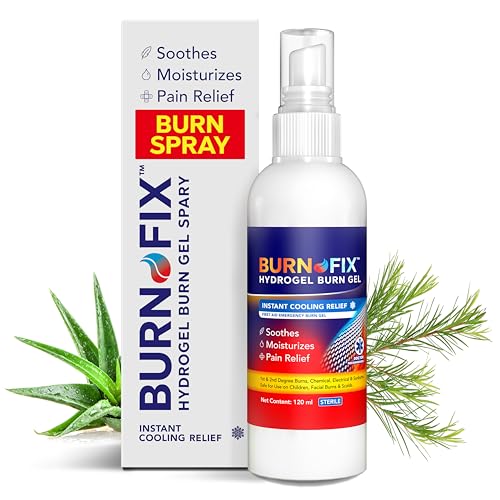
Best for: First aid kits and caregivers seeking fast, non-greasy cooling for 1st & 2nd degree burns, sunburns, and minor wounds. Hydrogel locks in moisture to promote faster healing. Caution: Not a replacement for professional medical care in serious burns; use as a soothing step while seeking help.
Bactine Max Pain Relieving Antiseptic Spray (5 oz)

Best for: Quick relief from pain and itching while protecting wounds from infection. It provides antiseptic protection with odorless, no-sting formula. Caution: Contains antiseptic components; avoid excessive use on large wounds without medical advice.
Bactine MAX First Aid Spray (4% Lidocaine)

Best for: Families needing effective numbing for minor wounds without stinging. It cleanses while delivering lidocaine-based relief. Caution: Lidocaine should be used as directed; avoid prolonged use on large areas or broken skin without professional guidance.
ALOCANE Max Burn Spray

Best for: Quick, non-greasy burn care with antiseptic protection and fast pain relief. Contains 4% lidocaine for rapid numbness and antiseptic to prevent infection. Caution: Not for large burns; use as part of a broader care plan if symptoms worsen.
MG217 Maximum Strength Pain Relief Cooling Burn Spray
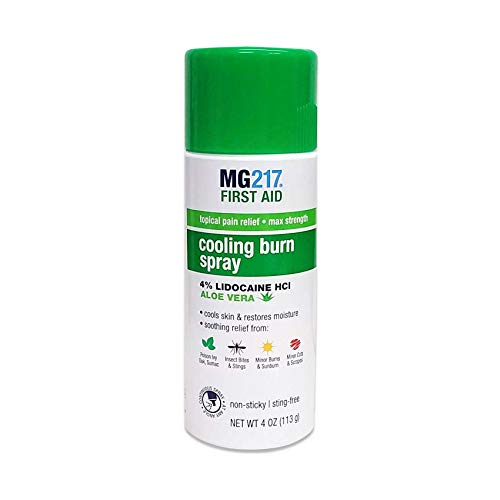
Best for: Sunburns and minor skin injuries requiring substantial cooling and quick relief. Contains lidocaine and aloe for moisture and soothing action. Caution: May provide stronger numbness; use in small areas as directed and avoid sensitive mucous membranes.
Buying Guide: Burn Spray First Aid Essentials
What should I look for in a burn spray?
Key factors include active anesthetic (lidocaine or benzocaine) for quick pain relief, antiseptic ingredients to prevent infection, and soothing agents (aloe, menthol) for cooling and moisture. Hydrogels provide rapid cooling without a greasy residue, making them ideal for sensitive skin.
What kind of burn or skin injury is best suited for spray?
Minor burns, sunburns, scrapes, and bug bites are common targets. For larger or more serious burns, seek professional medical care rather than relying on spray alone. Hydrogels and lidocaine-based sprays work well on superficial injuries, while antiseptic sprays help with infection prevention during healing.
Is no-touch application important?
Yes. No-touch or spray-on application reduces the risk of contamination and is easier to use on children or hard-to-reach areas. Dermoplast products emphasize no-touch delivery for quick, comfortable relief.
Which formulations are best for kids?
Choose pediatric-friendly options that are alcohol-free, hypoallergenic, and gentle on sensitive skin. Hydrogels and milder lidocaine formulations can be better for children, while heavy fragrances or harsh active ingredients should be avoided.
How do I store and apply burn sprays safely?
Store in a cool, dry place away from direct heat or sunlight. Follow label directions for frequency and duration of use. Do not apply to open, deeply burned skin or on large areas without medical guidance. If irritation or infection signs appear, discontinue use and consult a clinician.
How to compare products quickly?
Focus on active ingredients, cooling or soothing additives, and whether the product offers antiseptic protection. A product with both anesthetic and antiseptic properties can provide more comprehensive first-aid coverage for minor injuries.
FAQ
- What is the fastest way to relieve a minor burn with spray?
- Can I use these sprays on kids?
- Should I use antiseptic sprays on all minor wounds?
- Is a hydrogel better than a traditional spray for burns?
- What if symptoms persist after applying a burn spray?
- Are these sprays safe for facial burns?
Use a product with a fast-acting anesthetic (like lidocaine or benzocaine) and apply to the affected area as directed. For cooling, consider a hydrogel or aloe-containing spray.
Many are formulated for kids 2 and up or general family use. Check the label for age recommendations and avoid application on large areas without guidance.
Antiseptic sprays help prevent infection on minor wounds. If a product combines pain relief and antiseptic protection, it can simplify care. Follow care guidelines for larger wounds.
Hydrogel provides instant cooling and moisture retention, which can feel more soothing for some burns. It may leave less residue than oily or alcohol-based sprays.
If pain, redness, swelling, or fever persists beyond a couple of days, seek medical advice. For severe burns, contact emergency services immediately.
Facial skin can be more sensitive; select a gentler formulation and patch test if advised by a clinician. Avoid applying near eyes or mucous membranes unless directions specify safety.