Explore top bee balm options that attract pollinators and enliven your landscape. This guide highlights five bee balm choices, including seeds and live plants, so you can choose what fits your garden style and climate. Each selection includes key traits like growth habit, bloom color, and care needs to help you compare effectively.
| Product | Type | Bloom Color | Growth Height | Ideal For |
|---|---|---|---|---|
| KVITER 1,000 Wild Bergamot Seeds | Seeds | Pink-Purple | 2-4 ft | Pollinator-friendly borders |
| Greenwood Nursery: Bee Balm Jacob Cline | Live Plant | Red | 3-5 ft | Tall perennial display |
| Bonnie Plants Lemon Balm | Live Herb Plant | Yellow-green foliage, lemon aroma | Varies | Culinary and fragrance |
| TKE Farms & Gardens Bee Balm Seeds | Seeds | Various | Varies by planting | Indoor/Outdoor versatility |
| Perennial Farm Bubblegum Blast Monarda | Live Plant | Hot pink | 24 inches | Compact, abundant blooms |
Note: All entries are selected for pollinator attraction and garden versatility. This summary helps you compare seed versus live plant options, bloom colors, and typical mature sizes.
KVITER 1000 Wild Bergamot Seeds

KVITER offers wild bergamot seeds (Monarda fistulosa) designed to attract pollinators with pink-purple blooms that appear midsummer to early fall. germination is quick, typically 10–20 days at 60–70°F when surface-sown and kept moist. These seeds suit USDA hardiness zones 2–9 and do well in flower beds or containers. They are drought-tolerant once established, growing 2–4 feet tall with a citrusy foliage scent that can scent herb gardens. The plants serve as a pollinator magnet, drawing bees, butterflies, and hummingbirds to your borders.
Greenwood Nursery: Bee Balm Jacob Cline
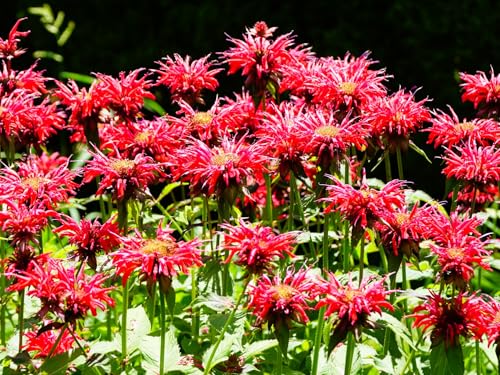
Jacob Cline bee balm is a classic red-flowered cultivar known for strong vertical growth and prolific bloom. Listed as a live perennial plant, it prefers full sun to partial shade and well-drained soil. A robust nectar source, it attracts butterflies and hummingbirds during midsummer through late summer. Mature plants typically reach 3–5 feet in height with a spread up to 2 feet, offering a dramatic vertical presence in borders. Regular watering after planting helps establish a dependable drought-tolerant, mildew-resistant perennial that requires minimal upkeep once established.
Bonnie Plants Lemon Balm Live Herb Plants

Although not a true bee balm, lemon balm (Melissa officinalis) shares a similar memory-friendly appeal for herb and pollinator gardens. Bonnie Plants offers a four-pack of live lemon balm plants suitable for zones 5–9. Plants emit a lemon scent from leaves, making them popular for culinary use and herbal teas. Lemon balm thrives in containers or garden beds, and while not a primary nectar source for pollinators, its mint-family aroma and quick growth can support a lively herb garden that coexists with bee balm species.
TKE Farms & Gardens Bee Balm Seeds

TKE Farms & Gardens provides over 1,000 heirloom, non-GMO bee balm seeds designed for high germination rates and lush, fragrant growth. The seeds are versatile for indoor or outdoor planting and suitable for Zones 3–9. They thrive in full sun or partial shade, making them adaptable for borders, beds, or large containers with good drainage. The kit emphasizes easy-to-follow instructions, ensuring both novice and experienced gardeners can grow thriving bee balm plants that attract butterflies, bees, and other pollinators.
Perennial Farm Bubblegum Blast Monarda

Monarda x Bubblegum Blast, also marketed as Sugar Buzz, is a compact perennial with bright hot-pink blooms held atop sturdy stems. Hardy in USDA zones 4–9, this live plant typically reaches about 24 inches tall and spreads to create lush, pollinator-rich patches. It is noted for powdery mildew resistance and strong attraction of bees, butterflies, and hummingbirds. The plants are described as fragrant and suitable for cut flowers, making them a versatile addition to borders, patios, and butterfly gardens.
Buying Guide: Bee Balm Purchase Considerations
- Seed vs. live plant: Seeds are cost-effective and allow for broader garden coverage, but require more waiting time and care to establish. Live plants offer immediate impact but can be more expensive and less flexible for large-scale planting.
- Growth habit and space: Bee balm ranges from compact 1–2 feet varieties to tall 3–5 foot cultivars. Plan spacing accordingly to avoid crowding and to maximize airflow, reducing mildew risk.
- Bloom color and season: Common colors include red, pink, and purple. Bloom times typically span midsummer to early fall, with some varieties offering extended bloom periods.
- Sun and soil needs: Most bee balms prefer full sun to partial shade and well-drained soil. Some varieties tolerate drought once established; others require regular moisture during establishment.
- Maintenance: Bee balm generally requires minimal pruning after flowering to encourage bushier growth and prevent mildew. Deadheading can prolong bloom, and plants in humid regions may benefit from increased airflow and spacing.
- Pollinator value: All listed selections are chosen for their attractiveness to bees, butterflies, and hummingbirds. Consider planting in borders near patios or in pollinator gardens to maximize visual appeal and ecological benefit.
- Zone compatibility: Check each product’s recommended hardiness zone. Most Monarda cultivars tolerate a wide range of climates, but some seed packets specify zones best suited for growth.
In sum, the selections above provide a spectrum of options—from seed-based approaches that encourage large, flowing plantings to live perennials that deliver immediate color and structure. Each option supports pollinators and can be integrated into borders, containers, or herb gardens depending on space and climate.