Baby ear muffs are a practical choice for reducing a baby’s exposure to loud sounds at events, during travel, or in other noisy settings. The HOIGRBOM model is best for families seeking a stated 24 dB reduction and a forehead-resting headband; the updated Alpine Muffy Baby is suited to parents looking for coverage up to age 5. The other picks offer adjustable fits or soft padding. Compare the stated age ranges, headband designs, and noise-reduction details before choosing.
| Product | Best For | Listed Details |
|---|---|---|
| HOIGRBOM 2-in-1 Baby Ear Muffs | Adjustable forehead-resting fit | 24 dB reduction; listed for ages 0–48 months |
| Alpine Muffy Baby, Updated Model | Extended age range | 24 dB reduction; listed up to age 5 |
| Alpine Muffy Baby, Adjustable Model | Babies and toddlers through age 4 | Layered foam and soft padding |
| BBTKCARE Baby Ear Protection | Soft padded headband | 23 dB reduction; listed for ages 3 months–3 years |
| Alpine Muffy Baby, Pediatrician-Reviewed Listing | Adjustable fit as a child grows | Listed for babies and toddlers up to age 4 |
HOIGRBOM 2-in-1 Baby Ear Muffs

Best for: Families who want a pressure-conscious design with an adjustable forehead-resting band. The listing describes an anti-slip, three-position elastic headband intended to fit children from birth to 48 months. It states 24 dB noise reduction and identifies airplanes, cars, trains, concerts, and parties as possible use settings.
The ear muffs use an ABS shell and sponge-filled PVC cushions. The listing says the materials are BPA-free, non-irritating, waterproof, and easy to clean. This model is selected for its clearly stated reduction level and forehead-band design, which avoids placing the band directly over the fontanelle.
Limitation: Its stated age range ends at 48 months, so it may not suit families seeking a model listed for older children.
Alpine Muffy Baby Updated Ear Muffs

Best for: Parents looking for baby ear protection with a listed age range extending to 5 years. This updated Muffy Baby listing states 24 dB noise reduction and describes pre-attached ear cups. Its soft design is intended not to put pressure on delicate areas such as the fontanelle.
The listing also says the model is based on a pediatrician survey about protection, safety, comfort, and design. It is a useful comparison for caregivers who prioritize the longer stated age range and a ready-to-wear ear-cup setup.
Limitation: The listed age range is a product guideline; caregivers still need to check that the fit is appropriate for their child.
Alpine Muffy Baby Adjustable Ear Protection

Best for: Families seeking adjustable baby and toddler ear muffs listed for use up to 48 months. The listing describes an anti-slip, adjustable headband, soft padding, and ear caps made with multiple layers of noise-reducing foam. It says the design has no hard parts that could be harmful or dangerous.
This option is selected for its specific construction details and growing-child fit. The adjustable band can be useful when a fixed-size headband is less suitable, while the layered foam and padding are intended to provide a close fit around the ears.
Limitation: The provided listing does not state a numerical noise-reduction value, so compare it carefully if a stated decibel figure is important to you.
BBTKCARE Baby Ear Protection
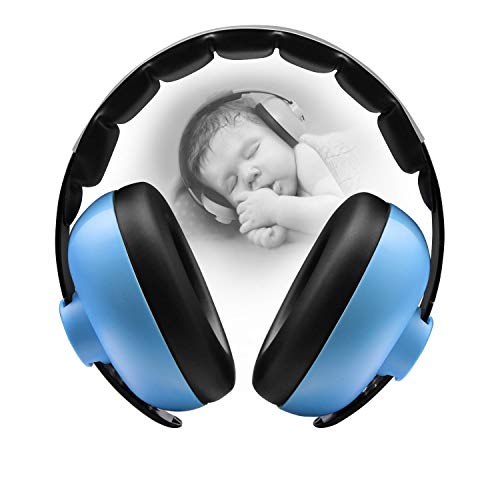
Best for: Caregivers looking for soft-padded ear muffs with a listed age range of 3 months to 3 years. The product description states a minimum noise reduction of 23 dB and mentions an adjustable headband. It names sporting events, fireworks, airplanes, and trains as possible noisy settings.
This model is included because it provides a stated reduction figure and a defined age range, making it straightforward to compare with the other options. The padded design and adjustable band are intended to cover the ears comfortably.
Limitation: The stated age range ends at 3 years, younger than the ranges listed for several alternatives. The description does not provide details about a forehead-resting band.
Alpine Muffy Baby Pediatrician-Reviewed Model
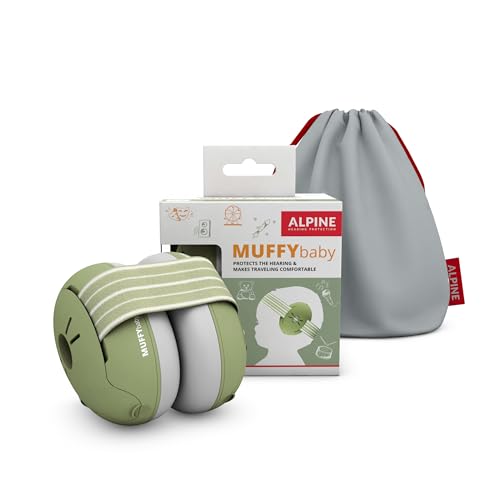
Best for: Parents who want an adjustable model listed for babies and toddlers up to 4 years. The product information describes the Muffy Baby as pediatrician recommended, based on a survey of 152 pediatricians reviewing leading baby hearing-protection earmuffs. It also states that the adjustable design is intended to fit as a child grows.
This listing is selected for its stated age range and survey-based recommendation claim, giving shoppers another Alpine option to compare. It is described for use in loud settings such as busy events and fireworks.
Limitation: The supplied product details do not specify a decibel reduction value or describe the ear-cup materials.
Buying Guide: How To Choose Baby Ear Sound Protection
Which age range should you look for?
Start with the manufacturer’s listed age range, then consider how the band and ear cups fit your baby. The products here range from 3 months–3 years to birth–48 months or up to age 5. An age range alone does not guarantee a good fit; check that the ear cups cover the ears and that the band sits as intended without uncomfortable pressure.
Does the decibel number matter?
A stated noise-reduction figure makes products easier to compare, but the listings do not all provide one. HOIGRBOM and the updated Alpine model state 24 dB, while BBTKCARE states a minimum of 23 dB. Alpine’s other listings describe noise-reducing foam without giving a number. Do not treat these figures as a guarantee of complete sound blocking.
What headband design is better for a baby?
Compare the band placement, adjustability, and padding. HOIGRBOM describes a forehead-resting, three-position band, while Alpine and BBTKCARE listings describe adjustable or anti-slip headbands. Choose a design that sits comfortably and stays in place; follow the product’s fitting directions.
When should babies wear ear muffs?
Consider them for loud settings named in the product information, such as fireworks, concerts, sporting events, or noisy travel. They reduce exposure but do not make loud environments risk-free. If a setting is excessively loud, moving farther away or leaving is a sensible additional precaution.
Frequently Asked Questions
Can babies wear ear muffs on an airplane?
The HOIGRBOM and BBTKCARE listings mention airplanes as a possible use setting. Check fit and comfort, and follow the product instructions during travel.
Do baby ear muffs block all noise?
No. The listings describe noise reduction, not complete sound blocking. Keep babies away from excessively loud sources whenever possible.
Can newborns use these products?
HOIGRBOM is listed for ages 0–48 months, and some Alpine listings describe use for babies. Always confirm the specific model’s age guidance and fit before use.
How do I choose between 23 dB and 24 dB protection?
Compare the stated figures alongside fit, age range, and band design. A small difference in a listed number should not replace checking how the ear muffs are designed to fit and be used.