The right solvent cement or adhesive makes ABS-to-PVC transitions and general plastic bonding reliable and easy. This guide highlights five top options designed for non-pressure and piping applications, helping you pick the best match for your needs—whether you’re tackling DWV, sewer, conduit work, or general repairs. Best for professional-grade transitions, best for DIY quick fixes, and best for clear, fast-drying bonds are covered below. A quick buying table follows to help compare essentials at a glance.
| Product | Best For | Key Benefit |
|---|---|---|
| Weld-On 13369 | ABS to PVC transitions | Low-VOC, fast-drying, smooth application |
| Oatey Green Transition Cement | ABS/PVC pipe work | Fast-set, meets common transition needs |
| Weld-On 10273 | ABS to PVC transitions | High-Strength, low emissions |
| JAOJAO PVC Cement | PVC pipes and fittings | Fast-curing, leak-proof seal |
| Bouaegr 20g PVC Glue | General bonding for PVC/ABS | Wide application, quick tack and durable |
Weld-On 13369 794 ABS-PVC Transition Cement

Best for non-pressure ABS-to-PVC joints in DWV, sewer, or conduit work. This medium-bodied cement is designed for smooth application and fast set, with a low-VOC formula to reduce solvent emissions in the work area. The cement is specifically marketed for transitions between ABS and PVC, making it a practical choice for mixed-material piping projects. Suitable for professionals and serious DIYers who require reliable, quick-setting transitions.
Who it’s best for: contractors and homeowners performing ABS-to-PVC transitions in drainage or conduit systems. Why selected: its transition-targeted formulation and low-VOC profile help speed workflows while minimizing solvent exposure. Limitation: not intended for high-pressure piping; use in non-pressure systems only.
Oatey Green Transition Cement for ABS/PVC

Best for a reliable ABS to PVC transition with a fast set. This cement is designed for pipe work and is rated for common ABS/PVC applications, delivering a green color cue that helps verify coverage. It’s suitable for users needing a straightforward, fast-curing option for non-pressure piping up to modest diameters. The cement’s fast set aids project throughput, especially in tight spaces.
Who it’s best for: plumbers and builders dealing with ABS/PVC transitions in residential or light commercial projects. Why selected: established brand, clear green transition cement, and fast set. Limitation: note the maximum temperature and diameter limits when planning larger installations.
Weld-On 10273 794 ABS-PVC Cement

Best for high-clarity, high-strength ABS-to-PVC transitions in non-pressure systems. The medium-bodied formula provides smooth application and a quick set, while maintaining a low-VOC profile for a better working environment. This option is favored when you need robust, reliable joints without heavy emissions during curing.
Who it’s best for: contractors and DIYers making ABS/PVC transitions where emissions and curing speed matter. Why selected: similar performance to the 13369 line with a focus on robust bonding. Limitation: not recommended for pressure piping.
JAOJAO PVC Cement
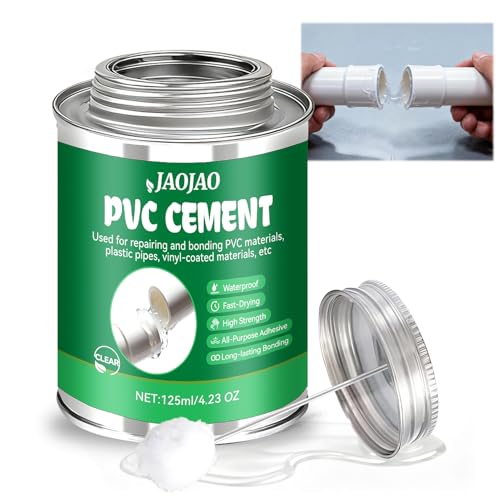
Best for PVC pipe bonding with quick curing and waterproof performance. This cement offers fast initial adhesion, forming a firm bond within minutes and achieving optimal water flow after 24 hours. It is designed to resist internal pressure-friendly conditions but is primarily positioned for standard PVC installations and repairs.
Who it’s best for: homeowners and technicians working on PVC piping projects that require fast handling and reliable sealing. Why selected: a strong emphasis on fast curing and pressure resistance. Limitation: performance may vary with larger diameter pipes or atypical solvents.
Bouaegr 20g PVC Glue

Best for broad bonding between ABS, PVC, and other plastics, with a transparent, colorless finish and quick tack. It’s advertised as quick-drying and high-temperature resistant, making it suitable for small-to-medium projects where a fast, durable bond is needed. Suitable for various plastics and some non-plastic substrates, depending on the surface preparation.
Who it’s best for: DIY enthusiasts and small repair jobs where versatility and speed matter. Why selected: broad material compatibility and visible curing benefits. Limitation: actual long-term performance can depend on surface preparation and exposure conditions.
Buying Guide: Key Considerations For ABS And PVC Glue
- Material pairing: Choose a cement specifically designed for ABS-to-PVC transitions if you’re joining these two plastics. For pure PVC pipes and fittings, select PVC cement with fast cure and reliable sealing.
- Application type: Medium-bodied cements are versatile for general transitions, while fast-set formulations help when working in tight spaces. Consider the working time you need before the joint cures.
- VOC and environmental impact: Low-VOC formulas reduce solvent emissions and improve working conditions, important for indoor projects or when working without ventilation.
- Temperature and exposure: Check set speed and maximum service temperature. Some cements are rated for higher temperatures, while others are intended for standard room conditions.
- Diameter and pressure context: Most ABS-to-PVC transition cements are for non-pressure systems. For pressure piping, verify product suitability or seek approved equivalents.
- Clarity and finish: Clear or green-tinted products help verify coverage and joint cleanliness, which is useful for visible installations.
- Surface prep: Proper cleaning and dry surfaces maximize bond strength. Avoid applying on wet or oily surfaces to prevent weak joints.
Frequently Asked Questions
- Can I use ABS cement on PVC pipes? ABS-to-PVC transition cements are formulated for joining ABS to PVC. Do not substitute a standard PVC cement for ABS-to-PVC joints.
- Is low-VOC cement suitable for all projects? Low-VOC options are good for indoor work, but verify that the product is rated for your specific application and pipe size.
- How long before a joint is fully cured? Curing times vary by product and temperature; follow the manufacturer’s guidance and allow adequate ventilation during cure.
- What if a joint leaks after curing? Revisit surface prep, ensure joint seating, and reseal with fresh cement if needed, following cure guidelines.
- Are these products safe for exterior use? Many are designed for indoor use or non-pressure pipes; check product specs for outdoor exposure compatibility and temperature limits.
- Can I bond multiple plastics with one cement? Some products advertise wide compatibility, but for best results, pair the adhesive to the specific material and follow the instructions for each joint.