When selecting a 4″ PVC flap valve, the goal is to prevent debris entry, maintain steady water flow, and minimize maintenance. The top picks here are ideal for rain harvesting, irrigation, and drainage systems where backflow prevention and airflow are important. This guide highlights who each product is best for, with clear pros and limitations to help you decide quickly.
Summary of top products
| Product | Best For | Key Benefit | Limitation |
|---|---|---|---|
| Rain Harvesting Flap Valve with Vented Screen, 4 inch Round | Rainwater systems needing vented airflow | Vented design for breathing and quiet operation | Plastic construction; check compatibility with existing piping |
| Rain Harvesting Mozzie Stoppa TAFV98/TAFV104 Hi-Flow Flap Valve | Tank overflow and high-flow applications | Double self-cleaning seal; stainless screen options | Housings and fittings may require additional hardware |
| Valterra 4″ PVC Gate Valve, 6401 | Low-pressure, quick shut-off needs | Full-port opening; reliable push/pull operation | Plastic body; limited to low-pressure applications |
| Zejoot 4″ Backflow Preventer Valve | Backflow prevention in drainage systems | Thick EPDM seal; durable PVC | Backflow focus may limit use as a simple flap valve |
Rain Harvesting Flap Valve with Vented Screen, 4 inch Round
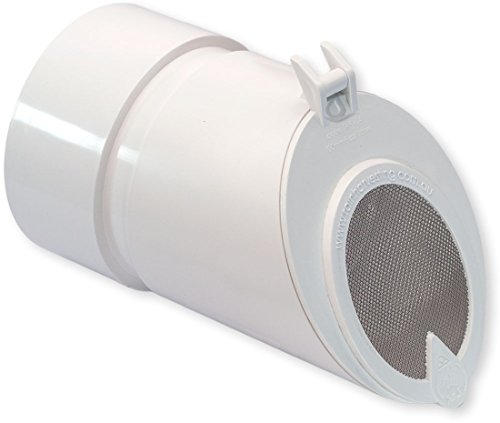
This 4-inch flap valve is designed for end-of-overflow or charged-line placement. It prevents debris from entering the pipe while ensuring smooth flow. The vented design allows air and water to enter, aiding quiet operation during rainfall. The flap stays closed when water is not moving, reducing the risk of over-rotation or sticking. Best for rainwater systems that require airflow and debris protection without frequent maintenance.
Best for: Home rainwater systems and overflow lines where quiet operation and airflow are priorities. Limitation: Made of plastic, so consider chemical compatibility with any treated water or long-term exposure in harsh environments.
Rain Harvesting Mozzie Stoppa TAFV98 TAFV104 Hi-Flow Flap Valve

These Mozzie Stoppa flap valves are designed for tank walls or overflow pipes, using a Multi-tite grommet and flexible Fernco-style couplings for installation. Features include a double self-cleaning seal with non-over-rotating flaps, and an air-permeable design that improves surface oxygenation for water quality. The 1/32″ aperture screen and grade 316 stainless steel mesh provide added filtration. Best for: High-flow rain harvesting systems needing robust backflow control and improved aeration. Limitation: Installation may require additional hardware and precise sizing for tank configurations.
Valterra 4″ PVC Gate Valve, 6401

This gate valve uses 304 stainless steel shaft and paddle with a simple push/pull operation. It is suited for low-pressure applications and can handle air or water. Open and closed positions provide unrestricted flow due to full-port design. Best for: Quick shut-off needs in low-pressure lines or basic irrigation setups. Limitation: Not a high-flow backflow solution; limited to 15 psi as both maximum and minimum, which may restrict use in some outdoor environments.
Zejoot 4″ Backflow Preventer Valve

Zejoot’s backflow preventer uses durable PVC with a thick EPDM seal on the flap and a rubber-sealed inspection cover for a watertight seal. It’s designed to stop water from flowing back into the drainage system and helps protect basements, crawl spaces, and low-lying interiors from contamination. Best for: Preventing backflow in drainage or wastewater lines where back-siphoning is a concern. Limitation: Primarily focused on backflow prevention; may be less suitable as a simple debris-blocking flap in some setups.
Buying Guide: Key Purchase Considerations
- Application: Choose based on whether you need debris protection, backflow prevention, or quick shut-off. For rain harvesting, vented options improve airflow and water quality.
- Materials and durability: PVC is common and affordable, but check for corrosion resistance and compatibility with your chemicals or water quality. Stainless mesh and EPDM seals enhance longevity and sealing.
- Installation: Some valves require specific fittings or grommets. Verify compatibility with existing pipe sizes and mounting configurations (tank walls, overflow pipes, or straight runs).
- Flow characteristics: Full-port designs offer unrestricted flow, while valves with screens or restricted apertures may reduce debris but also impact flow rate. Consider your system’s flow requirements and potential clogging risks.
- Maintenance: Look for self-cleaning seals or easy-to-service components. Venting capabilities can aid long-term operation by preventing pressure buildup and air locks.
- Environment: Outdoor installations should consider UV resistance and exposure to weather. If used with treated water or slurries, ensure chemical compatibility.
Frequently Asked Questions
- What is a flap valve used for in 4-inch systems? Answer: It blocks debris and prevents backflow while allowing controlled flow in drainage or rainwater systems.
- Do vented flap valves improve water quality? Answer: Yes, by allowing air exchange, they can help reduce surface stagnation and improve aeration in storage tanks.
- When should I choose a backflow preventer over a simple flap valve? Answer: Choose a backflow preventer when back-siphon prevention is critical, such as in basements or low-lying areas.
- Are stainless components necessary? Answer: Stainless elements enhance durability and corrosion resistance, especially in outdoor or harsh environments.
- Can these valves be used for koi ponds or aquaculture? Answer: Some models are suitable for low-pressure water systems; always verify compatibility with your specific aquaculture setup.
- What maintenance is typically required? Answer: Periodic inspection of seals, cleaning of mesh screens, and checking for leaks or warping during seasonal changes.