Choosing the right 1.5″ outer diameter pipe depends on material, wall thickness, and intended use. This guide highlights five top Amazon picks across aluminum, stainless steel, and PVC that suit fabrication, piping, and airflow projects. Best for light-to-medium duty piping and fabrication enthusiasts, these options emphasize weldability, corrosion resistance, and ease of machining. The quick reference table below summarizes key specs to help you compare at a glance.
| Product | Material | OD | Wall Thickness | |
|---|---|---|---|---|
| JoyTube 6061 Aluminum Tubing | 6061 Aluminum | 1.5″ (38mm) | 3mm | 12″ (300mm) |
| AC PERFORMANCE Aluminum Intercooler Pipe | Aluminum | 1.5″ (38mm) | 1.5mm | 11.8″ (300mm) |
| Hicarer Stainless Steel Tubing | 304 Stainless Steel | 1.5″ (38mm) | 1.5mm | 24″ (61 cm) |
| MOKOVI Stainless Steel Tube | 304 Stainless Steel | 1.5″ (38mm) | 1.5mm | 16″ (406mm) |
| Podavelle Aluminum Intercooler Pipe | 6061 Aluminum | 1.5″ (38mm) | 1.5mm | 11.8″ (300mm) |
The products below are listed in clear, objective terms to help buyers assess suitability for automotive, industrial, and DIY projects. Each section notes who benefits most, plus a practical caution when applicable.
JoyTube 6061 Aluminum Tubing: Versatile Aluminum Tube

Material: 6061 aluminum with good weldability, corrosion and oxidation resistance. This seamless, 12″ long tube has a 1-1/2″ OD and 1-1/4″ ID with a 3mm wall, making it strong yet workable for cutting, welding, and stamping. Best for builders needing a sturdy, lightweight option that resists deformation during fabrication.
Best for: small to medium fabrication projects, decorative but functional builds, and hobbyist metalworkers who prioritize weldability and corrosion resistance.
Caution: The 12″ length may require splicing for longer runs; plan joinery accordingly.
AC PERFORMANCE Aluminum Intercooler Pipe
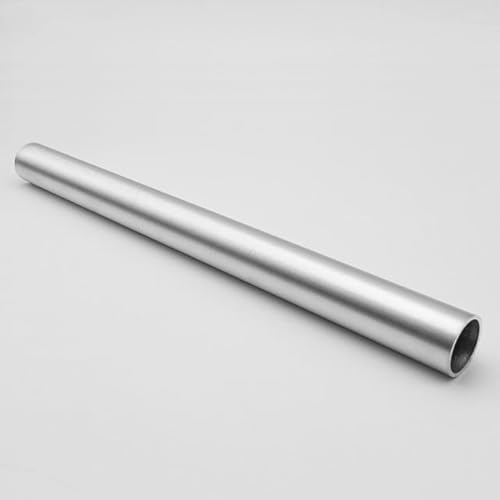
Material: General purpose aluminum with a brushed finish. Straight 1.5″ OD, 11.8″ long, wall thickness 1.5mm. Designed for cut, splice, or weld applications in air intake and cooling systems, including turbo intercooler piping setups.
Best for: custom intake or intercooler piping in automotive projects where a straight, easy-to-modify tube is needed.
Caution: Requires precise cutting and fitting; longer runs may need additional joining pieces for seamless airflow paths.
Hicarer 304 Stainless Steel Tubing

Material: 304 stainless steel with 2 feet length, 1-1/2″ OD, 0.06″ (1.5mm) wall. Noted for high strength and good weldability, plus a smooth surface finish for an appealing pipe appearance.
Best for: projects requiring corrosion resistance and higher strength than aluminum in a longer run or where a smooth, polished look is desired.
Caution: The 24″ length may limit flexibility in very compact assemblies; consider elbows or reducers for tight spaces.
MOKOVI Stainless Steel Tube

Material: 304 stainless steel, 1-1/2″ OD, 16″ length, 1.5mm wall. Noted for high strength and good weldability with a corrosion-resistant profile suitable for longer, straight runs.
Best for: applications needing a balance of strength, corrosion resistance, and ease of welding for mid-length piping runs.
Caution: Longer pieces may be heavier and require proper handling and supports in assemblies.
Podavelle Aluminum Intercooler Pipe

Material: 6061 aluminum with 1.5mm wall thickness and a straight 11.8″ length. Made for easy welding and durability in air intake and turbo intercooler piping projects.
Best for: straightforward, short-length intercooler or intake piping where weight savings and weldability are priorities.
Caution: Similar to other aluminum tubes, longer spans may require additional reinforcement or proper clamps to control vibration in dynamic applications.
Buying Guide: 1.5″ OD Pipe Buyers Should Consider
- Material choice: Aluminum offers light weight and good corrosion resistance; stainless steel increases strength and durability but adds weight and cost; PVC rigid tubes provide insulation and electrical protection for non-structural uses but are not as strong as metal.
- Wall thickness: Thicker walls improve strength and pressure tolerance but add weight and stiffness. Match wall thickness to expected loads and environment.
- Finish and weldability: Brushed or polished finishes suit visible applications; seamless walls simplify welding and reduce flow disturbances.
- Length and joining: Shorter tubes may require splicing for longer runs. Plan join types (welded, threaded, or clamped) and compatible connectors.
- Intended environment: Outdoor or high-heat settings favor corrosion and heat-resistant alloys; indoor uses may permit lighter materials.
- Machining needs: If you plan to cut, thread, or weld, ensure the chosen material supports your process and tools.
Frequently Asked Questions
- What is the difference between OD and ID in pipes?
– OD is the outer diameter; ID is the inner diameter. Wall thickness equals (OD – ID) / 2, which affects strength and flow capacity. - Which material is best for lightweight DIY frames?
– Aluminum tubes offer a good balance of weight, strength, and machinability for hobby projects. - Can these pipes be welded?
– Yes, several listed options (aluminum and stainless steel) are weldable, but consider material compatibility and welding technique for best results. - Is stainless steel necessary for outdoor use?
– Stainless steel provides superior corrosion resistance, beneficial for outdoor or humid environments, but aluminum may suffice for lighter loads. - How do I choose the right wall thickness?
– For high-pressure or structural uses, select thicker walls. For lightweight or decorative applications, thinner walls save weight and cost. - What are common applications for 1.5″ OD tubing?
– Automotive intercooler and intake piping, industrial framing, DIY furniture accents, and decorative crafts.