Finding effective, engaging math practice for first graders is essential for building confidence and solid foundational skills. The following tools and workbooks are designed to reinforce addition, subtraction, place value, and basic problem-solving through colorful visuals, hands-on activities, and structured practice. Each option is tailored for home use or classroom support, helping young learners stay motivated while mastering core math concepts.
| Product | Brand |
|---|---|
| School Zone Addition & Subtraction Workbook: 64 Pages | School Zone |
| Learning Resources Skill Builders! First Grade Addition and Subtraction | Learning Resources |
| Channie’s One Page A Day Single Digit Addition & Subtraction Workbook | Channie’s |
| Spectrum 1st Grade Math Workbook | Carson Dellosa Education |
| Addition and Subtraction Workbook 1st Grade Math Workbook | gisgfim |
School Zone Addition & Subtraction Workbook

This 64-page workbook targets essential early math skills through varied activities that emphasize sums, differences, place value, and regrouping. It’s designed to support learners aged 6-8 and complements daily practice with a structured progression. The workbook format helps students track improvement and build fluency in basic operations, making it a practical addition to home study or tutoring sessions.
Learning Resources Skill Builders! First Grade Addition and Subtraction
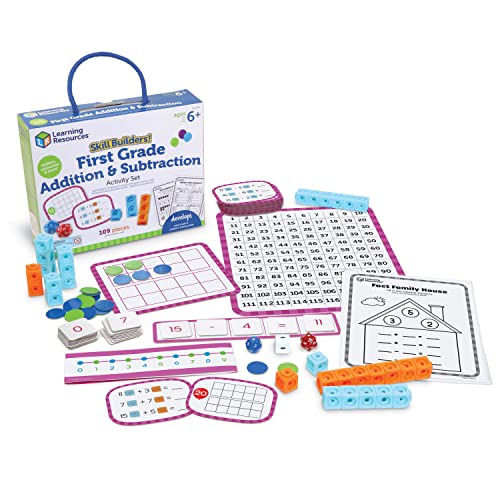
This 109-piece set combines manipulatives, cards, dice, and worksheets to make addition and subtraction tangible. The hands-on approach helps students visualize math concepts, with tools like ten-frame boards and fact family cards fostering logical thinking and problem-solving. It supports active learning and can turn abstract ideas into concrete strategies during tutoring or classroom sessions.
Channie’s One Page A Day Single Digit Addition & Subtraction Workbook

This workbook uses a visual, color-coded approach to practice single-digit addition and subtraction. Each page features 25 problems with consistent formatting to aid alignment and handwriting. The design supports daily practice, making it suitable for homeschooling, special education, or supplementing formal instruction for early learners.
Channie’s One Page A Day Double Digit Math

Designed for 1st to 3rd graders, this tear-off daily workbook focuses on double-digit addition and subtraction with 50 pages of practice. Visual prompts and vertical alignment help students manage place value and calculation accuracy. The format supports consistent daily practice without overwhelming learners, aligning with tutoring routines that emphasize repetition for mastery.
Spectrum 1st Grade Math Workbook

Spectrum’s workbook focuses on core first-grade topics such as addition, subtraction, place value, and measurement. It includes progressive lessons with exercises that build fluency and confidence. This resource is suitable for classroom use or independent practice at home, supporting structured math development through clearly organized tasks.
Addition and Subtraction Workbook 1st Grade Math Workbook

This 56-page workbook offers a balanced progression of single- and double-digit number problems. It features five question types, two-sided pages, and colorful, visually organized layouts designed to reduce confusion and improve focus. The design supports repetition and varied practice to bolster accuracy and confidence in early math skills.
Buying Guide: Key Purchase Considerations for 1st Grade Math Tutors
When selecting a math tutor resource for first graders, consider the following factors to maximize learning outcomes:
- Age and skill alignment: Ensure the material targets 1st-grade topics such as basic addition and subtraction, place value, and problem-solving strategies.
- Hands-on vs. written practice: Manipulatives and visual aids help with concept building, while worksheets reinforce fluency. A mix works best for many learners.
- Practice frequency: Short daily activities tend to yield better retention than long, infrequent sessions. Look for formats that supporting consistent routines.
- Visual design and readability: Color-coding, clear alignment, and ample spacing reduce confusion and aid handwriting development.
- Progress tracking: Materials with answer keys, progress indicators, or printable assessments help monitor improvement over time.
- Home vs. classroom use: Consider whether the set supports independent practice, guided tutoring, or group activities.
- Durability and age-appropriateness: For younger children, age-appropriate themes and sturdy pages encourage engagement and reduce frustration.
- Support for diverse learners: Look for options with visual supports or multi-sensory elements to accommodate varied learning styles.
In selecting a first-grade math tutor kit, combine resources that cover foundational concepts (addition, subtraction, place value) with materials that promote problem-solving and speed. A balanced mix of worksheets and manipulatives tends to support a comprehensive early math foundation.