The best Peruvian ground cherry choice depends on whether you want true Physalis peruviana or a related ground cherry such as Aunt Molly’s, Physalis pruinosa. For Peruvian ground cherry specifically, Mountain Valley Seed Co. provides clear growing and maturity information, while the Cape Gooseberry and TomorrowSeeds listings offer additional P. peruviana options. For gardeners seeking earlier-maturing alternatives, Aunt Molly’s and pineapple ground cherry seeds are different species worth comparing.
| Product | Type | Best suited for |
|---|---|---|
| Mountain Valley Seed Co Cape Gooseberry | Physalis peruviana | Gardeners seeking growing guidance and stated maturity timing |
| Cape Gooseberry Giant Poha Berry | Physalis peruviana | Buyers looking for a 100-seed option |
| TomorrowSeeds Hawaiian Giant Poha Berry | Physalis peruviana | Warm-climate gardeners wanting a larger seed count |
| KVITER Aunt Molly Ground Cherry | Physalis pruinosa | Growers seeking a stated faster maturity window |
| Earthcare Seeds Aunt Molly’s | Physalis pruinosa | Container and small-space gardeners |
Mountain Valley Seed Co Cape Gooseberry

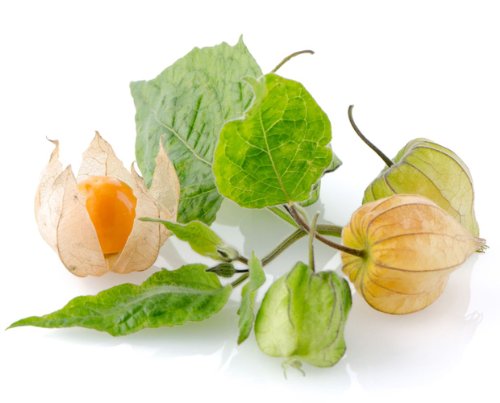
This listing identifies the plant as open-pollinated, heirloom, non-GMO Physalis peruviana, also called goldenberry, Inca berry, and Peruvian ground cherry. The fruits are described as golden-orange, with papery tan husks and a tart citrus flavor suited to snacking, preserves, baking, and sauces.
Best for: Buyers who want a clearly identified Peruvian ground cherry and practical timing information. The listing states 90–120 days to maturity and recommends starting indoors, then transplanting after frost. It describes the plant as an annual in most climates and perennial in tropical zones. Its longer maturity window is a consideration for gardeners with short seasons.
Cape Gooseberry Giant Poha Berry Seeds

This product is listed as 100 seeds of Physalis peruviana, with Cape Gooseberry, goldenberry, and Peruvian ground cherry among its identifying names. The listing also describes it as Giant Poha Berry and notes United States manufacture.
Best for: Gardeners who want a defined 100-seed quantity and a product specifically labeled P. peruviana. It is a straightforward option when species identity and seed count matter most. The product information supplied here does not specify germination timing, days to maturity, or climate requirements, so check the packet for sowing directions before planting.
TomorrowSeeds Hawaiian Giant Poha Berry

TomorrowSeeds describes this product as Physalis peruviana, also called goldenberry, Peruvian ground cherry, Cape gooseberry, and Inca tomatillo. The listing offers a count of 600 or more seeds and describes large, sweet-tangy berries in papery husks. It suggests the fruit for fresh eating, baking, jams, and preserves.
Best for: Warm-climate gardeners who want a larger seed supply and fruit for several kitchen uses. The listing says the plant thrives in warm climates and is easy to grow, but it does not provide a specific sowing schedule or maturity estimate. Buyers in cooler regions should confirm their local growing season and packet directions.
KVITER Aunt Molly Ground Cherry

This 650-seed listing is for Aunt Molly’s, Physalis pruinosa, a related ground cherry rather than the Peruvian species P. peruviana. The supplied features recommend sowing seeds 1/4 inch deep, with temperatures of 65–85°F. They state that sprouts may appear in 5–10 days at 70°F and that plants mature in 60–85 days.
Best for: Gardeners who want a related ground cherry with a shorter stated maturity window than the listed P. peruviana option. The listing says it suits USDA zones 4–8 and claims a 90% sprout success rate. These are product-provided claims, not a guarantee of results; growing conditions affect germination and harvest.
Earthcare Seeds Aunt Molly’s
Earthcare Seeds offers 50 Aunt Molly’s ground cherry seeds. The listing describes the heirloom variety as suitable for containers, raised beds, and garden plots, and says its Polish garden heritage is associated with rich flavor. It also describes the plants as pollinator-friendly and naturally pest-resistant.
Best for: Small-space growers who want planting flexibility and a smaller packet than the 650-seed alternative. The product is P. pruinosa, not P. peruviana, so choose it for Aunt Molly’s rather than a true Peruvian ground cherry. The supplied details do not state days to maturity or specific temperature requirements.
Buying Guide: Choosing A Peruvian Ground Cherry
How can you tell a Peruvian ground cherry from Aunt Molly’s?
Check the botanical name on the listing or seed packet. Peruvian ground cherry and Cape gooseberry generally refer to Physalis peruviana. Aunt Molly’s and pineapple ground cherry are commonly listed as Physalis pruinosa. They are related plants, but the names should not be treated as interchangeable when you want a particular species.
How much time does the plant need?
Compare the maturity information before choosing. The Mountain Valley listing gives 90–120 days for P. peruviana. The KVITER Aunt Molly listing states 60–85 days for P. pruinosa. These figures come from the product descriptions, and actual timing can vary with growing conditions.
What seed quantity should you buy?
A larger packet can suit gardeners planning multiple plants or successive sowings, while a smaller packet may be more practical for limited space. The products here range from 50 seeds to more than 600. Check the listed species and instructions as well as the count; a high seed quantity does not indicate that the plant is Peruvian ground cherry.
Can ground cherries grow in containers?
Earthcare Seeds specifically describes Aunt Molly’s as suitable for containers, raised beds, and garden plots. For other products, the supplied details do not establish container size or performance. Review the seed packet’s spacing and care instructions before selecting a pot.
Frequently Asked Questions
Is Cape gooseberry the same as Peruvian ground cherry?
These names are commonly used for Physalis peruviana. Confirm the botanical name when buying seeds because related ground cherries may be marketed under similar common names.
Is Aunt Molly’s a Peruvian ground cherry?
No. The Aunt Molly’s products listed here are identified as Physalis pruinosa, a related ground cherry species.
When should I start Peruvian ground cherry seeds?
The Mountain Valley listing recommends starting seeds indoors and transplanting after frost. Follow the packet instructions for exact sowing and transplanting guidance.
How long does Peruvian ground cherry take to mature?
The Mountain Valley product listing states 90–120 days to maturity for its Physalis peruviana seeds.