If you’re searching for 3/4 inch dielectric union threaded fittings to prevent galvanic corrosion between copper and steel piping, you’re in the right place. This guide highlights five solid options and explains who each is best for. Whether you’re updating a water heater connection or linking dissimilar metals in a household plumbing run, these fittings help isolate metals to reduce electrolysis and leaks. The ideal pick depends on material compatibility, installation style, and maintenance needs. Below, you’ll find quick comparisons and a buying guide to help you choose confidently.
| Product | Best For | Key Benefit |
|---|---|---|
| Eastman 20503 Dielectric Union | General residential use | Brass body with steel IPS nut; silicone gasket; up to 250 PSI |
| Midline Valve EVGG0034-OM-5 (5 Pack) | Multiple installs; cost-effective | Brass x stainless steel; reduces electrolysis; secure 3/4 in connections |
| EZ-Fluid 3/4″ Dielectric Union | Water heater connections | Brass solder x FIP; galvanized steel body; strong insulation |
| CMI Dielectric Union (3/4 in) | DIY projects with copper-to-steel joints | Plastic liner; gasket; corrosion prevention |
| HIGHCRAFT Dielectric Union | Press-to-pipe installations | Brass x stainless; meets lead-free standards |
Eastman 20503 Dielectric Union, 3/4 inch FIP x 3/4 inch Solder
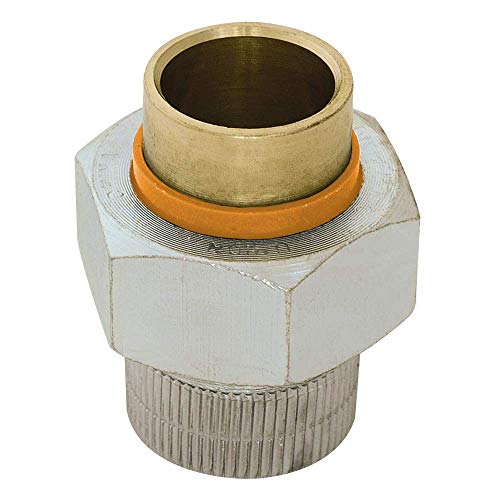
The Eastman 20503 Dielectric Union uses a brass body with a steel IPS nut, designed to transition between copper and steel piping in 3/4 inch lines. The silicone-rubber gasket with a nylon insert helps maintain a watertight seal while providing effective dielectric insulation. It’s rated for up to 250 PSI and 180 degrees Fahrenheit, making it suitable for typical domestic water systems. This option is best for homeowners or service pros seeking a dependable, single-union solution where copper-to-steel separation is needed. A limitation is that performance data is not extended to higher-temperature or higher-pressure industrial scenarios, so avoid heavy-duty uses beyond standard home systems.
Who it’s best for: Homeowners replacing an existing dielectric union in a standard residential water line or installers seeking a straightforward copper-to-steel transition. Why chosen: Simple 3/4″ FIP x 3/4″ Solder compatibility, reliable gasket, and robust materials for common household conditions.
Midline Valve EVGG0034-OM-5 Dielectric Union (5 Pack)

This five-pack from Midline Valve is designed to reduce electrolysis between dissimilar metals, a common concern in water heater and piping systems. The fittings feature brass-to-steel construction with secure, leak-free 3/4 inch connections. The multi-pack approach makes it a practical choice for installers performing multiple replacements or upgrades across a home. A potential limitation is that bulk pricing may not suit a single renovation, and the data does not specify temperature ratings beyond standard household use.
Who it’s best for: Pros replacing several dielectric unions or DIYers planning multiple upgrades. Why chosen: Economical multi-pack with proven corrosion-prevention purpose; good for ongoing maintenance projects.
Choose this if: You need multiple units in one purchase and expect similar service conditions across fixtures. Avoid this if: You only need one fitting or require high-temperature ratings beyond standard homes.
EZ-Fluid 3/4 Inch Dielectric Union Sweat Solder x FIP

The EZ-Fluid unit is a brass solder x FIP dielectric union with a galvanized steel body. It’s designed to connect dissimilar metals—especially copper to steel—while reducing electrolysis. Available in sizes from 1/2″ to 2″, it emphasizes insulation to keep metals apart and maintain a watertight seal. This option suits homeowners doing solder-based connections or upgrades in copper-to-steel piping segments. A stated caution is that data notes general compatibility, but real-world resistance to long-term stress under high pressure isn’t specified beyond typical household use.
Who it’s best for: Homeowners performing solder-based copper-to-steel transitions or water heater connections. Why chosen: Durable brass with tried-and-true solder-to-thread approach and effective galvanic isolation.
Limitations: Primarily designed for standard residential conditions; verify compatibility for unusual pressure or temperature demands.
CMI Dielectric Union, 3/4 in. (Brass x Stainless Steel)

CMI’s dielectric union pairs brass with stainless steel, featuring a plastic liner and a gasket to separate differing metals and create a watertight seal. It is presented as a reliable, cost-effective method to join copper and steel while reducing galvanic currents, which helps prevent corrosion and leaks. The inclusion of a plastic liner is highlighted as a key mechanism for isolation. A limitation is that performance details beyond corrosion prevention aren’t specified, so it’s best used where standard residential conditions apply.
Who it’s best for: DIYers and professionals needing an economical copper-to-steel dielectric solution. Why chosen: Prevents electrolysis with a practical plastic liner and gasket design; widely applicable for 3/4″ fittings.
Note: Consider inspecting the liner for wear if you anticipate frequent disassembly or high-temperature exposure.
HIGHCRAFT Dielectric Union, 3/4 in. MIP x 3/4 in. Press

HIGHCRAFT offers a 3/4″ MIP x 3/4″ press dielectric union with brass and stainless steel components. The press-to-pipe method provides a quick and secure connection suitable for modern plumbing installations. As a lead-free option, it aligns with safety-focused standards for residential use. A potential limitation is that it may require specific tools or a press-compatible setup, which could affect installation in tight or aged piping runs.
Who it’s best for: Installers needing a fast, secure press connection between copper and steel lines. Why chosen: Modern connection type with corrosion-preventive dielectric design; suits updated remodels.
Limitations: Requires appropriate press tools and fittings compatibility; may not fit all existing valve boxes or tight spaces.
Mueller 168-004NL Dielectric Union, 3/4 in

The Mueller 168-004NL offers a dielectric union designed for 3/4 inch lines, featuring a galvanized body and a bronze sleeve with a red dielectric insulator. It’s built to manage dissimilar metal connections while reducing galvanic corrosion. This unit is positioned for standard residential use with a focus on long-term corrosion resistance. A noted consideration is that the data does not specify specific temperature or pressure extremes beyond common household ranges, so verify system demands before installation.
Who it’s best for: Home projects needing reliable copper-to-steel isolation without specialized tools. Why chosen: Classic brass-to-steel construction with a clear dielectric insulator design for corrosion control.
Limitations: Lack of detailed high-temperature or high-pressure specs; ensure compatibility with your system’s conditions.
Buying Guide
What should I consider when choosing a 3/4 dielectric union?
- Metal compatibility: Ensure the union separates copper from steel or brass as needed to prevent electrolysis.
- Connection type: FIP, MIP, sweat solder, or press connections; choose based on project tools and space.
- Temperature and pressure: Match the unit’s rated range to your home’s water heater or boiler system.
- Materials and finishes: Brass housings, stainless steel components, and lead-free ratings impact longevity and safety.
- Seal integrity: Gasket type (silicone, rubber) and liners influence watertight performance over time.
How many dielectric unions do I need?
Typically, one per dissimilar-metal joint in the system is sufficient, though multi-unit installs (as in a remodeling project) may require several. Consider a bulk pack if you are upgrading multiple fittings at once.
Where should I install these fittings?
Place dielectric unions at serviceable joints near water heaters, boilers, or any points where copper and steel piping meet. Avoid exposure to extreme heat or aggressive chemicals, which may reduce gasket life.
What installation method suits me best?
For quick installs, consider press or FIP connections with rust-resistant bodies. For DIYers with soldering capability, sweat-solder options provide robust seals but require careful heat management.
Maintenance considerations
Periodically inspect gaskets and liners for signs of wear or leaks. If you notice corrosion or dampness around the joint, consider replacing the dielectric union to maintain the system’s protective barrier.
Quick FAQ
- What is a dielectric union used for? It prevents galvanic corrosion by isolating dissimilar metals in piping.
- Can I use a dielectric union with any pipe material? They are designed for copper-to-steel or brass-to-steel transitions; verify compatibility for your setup.
- Are Lead-Free options required? Lead-free standards are recommended for drinking water systems and residential safety.
- What connection type is easiest for beginners? Sweat-solder or FIP connections are common and straightforward with basic plumbing skills.
- Is a dielectric union necessary for every joint? Not always; use where dissimilar metals will contact each other to prevent electrolysis.
- How do I know if I chose the right size? Ensure the fitting matches the pipe outer diameter and the connection type (FIP, MIP, or sweat).