Answering the question, which fiberglass-safe paint remover works best for DIY projects and painted fiberglass surfaces? The top options below are water-based, low-odor, and designed to minimize damage to fiberglass while removing multiple layers of paints and varnishes. The buyers most likely to benefit are homeowners refinishing tubs, boats, or furniture, as well as builders working on fiberglass components. A quick summary table highlights suitability across surfaces and use cases.
| Product | Best For | Key Benefit |
|---|---|---|
| Smart ‘n Easy Paint & Varnish Remover Gel (32 oz) | Fiberglass bathtubs and DIY furniture refinishing | Water-based, no caustics, citrus scent |
| All Purpose Paint Remover Spray 22oz (Max Strip) | General surfaces including fiberglass, brick, concrete | No methylene chloride or NMP, fast-acting |
| Sunnyside 63432 2-Minute Remover Gel | Fiberglass and vertical/horizontal applications | Methylene chloride-free, effective in one application |
| Smart ‘n Easy Paint & Varnish Remover Gel (1/2 Gallon) | Large fiberglass projects and furniture | Higher volume, citrus scent, no caustics |
| Max Strip Latex Paint Remover 22oz | Latex-based paints on fiberglass and other surfaces | Low-VOC, no-drip gel, starts loosening quickly |
Smart ‘n Easy Gel 32oz: Do It Yourself Safe Paint Remover

- Features: Water-based, no caustic chemicals; removes acrylic, latex, oil & water-based paints, varnishes, and stains; typically a single application.
- Best for: DIY furniture, fiberglass bathtubs, and plaster walls where fiberglass surfaces are present.
- Why selected: Its citrus scent and non-caustic formula reduce safety concerns on fiberglass and skin contact during removal.
- Limitation: Test for compatibility on fiberglass coatings to ensure complete removal before full application.
Max Strip All-Purpose Paint Remover Spray 22oz
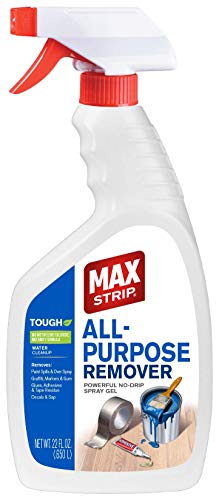
- Features: No methylene chloride or NMP; fast-acting spray gel; suitable for metal, brick, concrete, tile, wood, masonry, fiberglass.
- Best for: Surfaces needing surface-ready removal of paint overspray and graffiti on fiberglass components.
- Why selected: Lower hazard formula makes it safer for consumer use around fiberglass without harsh solvents.
- Limitation: Application requires monitoring every 15 minutes to determine readiness before scraping.
Sunnyside 63432 2-Minute Remover Gel
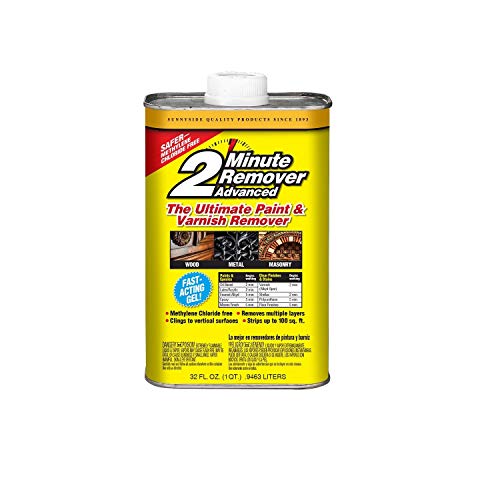
- Features: Methylene chloride-free; removes multiple layers of paint or varnish in one application; safe on wood, metal, and masonry.
- Best for: Fiberglass surfaces adjacent to wood or masonry where quick removal is desired.
- Why selected: Its fast-acting gel reduces handling time on vertical fiberglass surfaces.
- Limitation: While safer than chlorinated solvents, test for coating compatibility to avoid etching on sensitive finishes.
Smart ‘n Easy Gel 1/2 Gallon (Orange Citrus Scent)

- Features: Same as the 32oz version with larger volume; no caustics; citrus scent.
- Best for: Large fiberglass projects like tubs, shower enclosures, or extensive furniture refinishing.
- Why selected: Higher volume offers fewer refills and consistent performance over larger tasks.
- Limitation: Larger quantity may require more storage space and extended cure times for thick coatings.
Max Strip Latex Paint Remover 22oz

- Features: No-drip spray gel; softens latex paint; low VOC formula; effective for interior and exterior surfaces<;/li>
- Best for: Fiberglass surfaces with latex paint layers, drips, or overspray; suitable for small to medium projects.
- Why selected: Specifically formulated for latex, complementing other removers when latex is the main coating.
- Limitation: Not ideal for oil-based coatings; always test first on fiberglass to confirm adhesion and removal.
Buying Guide: Key Considerations For Fiberglass Safe Paint Removers
- Surface compatibility: Confirm the remover is safe for fiberglass and does not damage resin or gel coat.
- Coating type: Identify whether paints are acrylic, latex, oil-based, or varnishes to choose the most effective remover.
- Solvent base: Water-based removers are generally safer for fiberglass; avoid methylene chloride and strong caustics for sensitive surfaces.
- Application method: Sprays and gels offer different control; gels are better for vertical surfaces, sprays for even application on flat areas.
- Ventilation and odor: Choose low-odor options if indoor use is required; wear gloves and eye protection as standard safety.
- Drying and residue: Consider how easy it is to rinse or scrape and whether residue requires additional cleaning steps.
- Volume and project size: Large projects may favor higher-volume removers to reduce reapplication frequency.
FAQ: Quick Answers For Fiberglass Paint Removal
- Q: Are these removers safe for fiberglass tubs? A: Yes, many are formulated to be non-caustic and safer on fiberglass, but always test a small area first.
- Q: Can I use these products indoors? A: Most are low-odor and water-based, but provide ventilation and wear protective gear.
- Q: Do removers damage gel coat? A: When used as directed and tested first, most removers will not damage gel coat on fiberglass, but testing is essential.
- Q: How long should it sit before scraping? A: Check product instructions; times vary from a few minutes to several dozen depending on coating thickness.
- Q: Can I use multiple products on the same project? A: Yes, but avoid mixing chemicals; use one remover per coating layer and follow with clean water rinse.
- Q: What safety gear is recommended? A: Protective gloves, eye protection, and adequate ventilation are advised for all removers.