Discover top oil-based paint colors that deliver rich pigmentation, smooth texture, and lasting permanence. This guide highlights five standout sets ideal for artists, hobby painters, and students looking for vibrant color, easy blending, and dependable non-toxic formulas. Each product is assessed for who it’s best for, and practical trade-offs are noted to help you choose confidently.
The following quick reference summarizes the five picks and their key strengths:
- Magicfly Oil Paint Set — Best for: versatile color range and vibrant coverage.
- Ohuhu Oil Paint Set — Best for: value-packed starter or travel kits with wide color variety.
- PHOENIX Studio Oil Paint Set — Best for: high color saturation and strong permanence.
- MEEDEN Oil Paint Set — Best for: beginners and students exploring color theory and glazing.
- Paul Rubens Oil Paint Set — Best for: rich pigments and smooth blending for landscapes and portraits.
Magicfly Oil Paint, 40 Colors

Best for: artists needing a broad color library with extra whites. This set includes 40 rich oil colors, including metallic gold and silver, plus two additional white tubes. The pigments are thick, ensuring vibrant coverage and longevity. The paints are described as smooth and creamy, making blending and layering straightforward for canvas work.
Why selected: the extended white supply helps with light mixing and highlights, while the wide color range supports both bold and subtle palettes. The non-dull pigments aim to stay bright over time, aligning with projects that require lasting color fidelity.
Caution: color consistency may vary slightly across tubes; test blending on scrap material before starting a large piece.
Ohuhu Oil Paint Set, 24 Colors
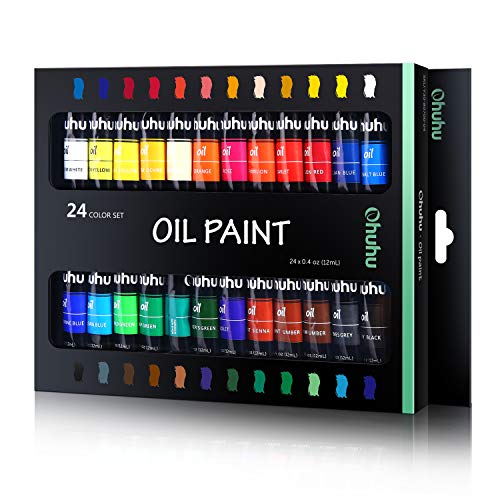
Best for: beginners and students seeking good value with a complete palette. This 24-color set covers essential warm and cool tones, including multiple blues, earth tones, and skin tones, suitable for landscapes and portraits. The colors are described as ready for direct painting with non-toxic materials, ideal for classrooms or travel art sessions.
Why selected: the comprehensive color range supports fundamental color mixing and layering exercises, while portability makes it convenient for on-the-go painting. The set is marketed as a versatile starting point for a range of genres, from scenery to abstract work.
Caution: color selection may feel limited for advanced portrait work or hyper-specialized hues; consider pairing with a larger set if you need deeper color variety.
PHOENIX Studio Oil Paint Set, 10 Colors
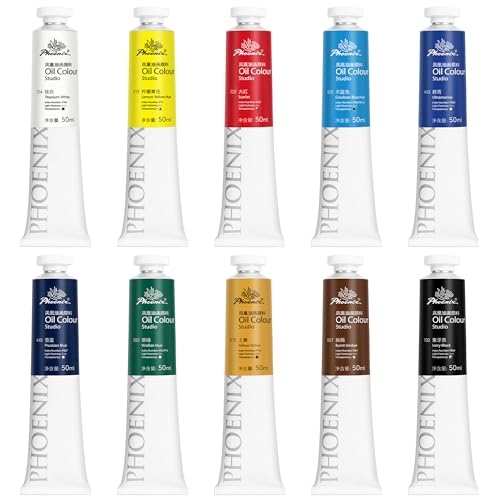
Best for: artists seeking high color saturation and strong permanence. This 10-color kit emphasizes vibrant, long-lasting oil colors with a creamy texture that blends well on multiple surfaces. The formulation highlights lightfastness, helping artworks resist fading when exposed to light over time.
Why selected: the set emphasizes pigment strength and smooth application, which benefits professionals focusing on detailed work or textures. It’s suitable for direct painting and for mixing with media to achieve varied effects.
Caution: fewer colors mean some complex palettes require additional tubes to expand tonal possibilities; plan your color strategy accordingly.
MEEDEN Oil Paint Set, 12 Colors

Best for: beginners and students exploring color theory and techniques such as wet-into-wet, glazing, and layering. This 12-color set offers rich pigments with a smooth, buttery consistence. The pigments are described as finely ground, enhancing clarity even when blending multiple colors.
Why selected: the product notes emphasize non-toxicity and compliance with ASTM D-4236, making it suitable for classrooms and home studios. The balance of primary colors and supporting tones aids in learning and experimentation.
Caution: for more advanced portraits or nuanced skin tones, you might need additional neutrals or earth tones beyond this starter range.
Paul Rubens Oil Paint, 20 Colors

Best for: artists seeking a broad color spectrum with strong tinting strength and a creamy texture. The 20-color set offers high-pigment hues designed to cover well and blend smoothly on canvas or panels, retaining brush strokes and knife marks for visible texture.
Why selected: the emphasis on pigment purity and color richness supports both landscapes and still-life work. The variety helps artists mix a wide range of tones while maintaining color intensity across pieces.
Caution: high pigmentation can require careful brush loading to avoid over-saturation on delicate surfaces; start with moderate amounts and build up.
Buying Guide
What should you consider when choosing oil paint colors?
- Color range and family balance: A set with primary colors, earth tones, and a mix of cool and warm hues provides the most versatility for beginners and seasoned artists alike.
- Pigment quality and permanence: Look for statements about lightfastness and permanence to ensure your work lasts without significant fading.
- Texture and coverage: Thicker, creamier consistency generally offers easier blending and smoother coverage, especially for glazing techniques.
- Safety and certifications: Non-toxic formulations and ASTM D-4236 compliance are important for classrooms, family studios, or artists avoiding strong solvents.
- Application goals: If you plan to create fine detail, choose sets with highly pigmented colors and a wide tonal range. For bold abstracts, emphasize brighter chroma and ease of blending.
How to choose by painting style
Landscape-focused artists may prefer a broad selection of greens, blues, ochres, and earth tones. Portrait painters benefit from a wide range of skin-tone hues and earths for realistic shading. Mixed-media and beginners often start with vibrant, easy-to-blend sets that ease the learning curve.
Practical testing tips
Test pigment granularity by placing a small amount on a square sample board. Observe drying times, blending ease, and color shift as it cures. For glazing, test transparency and how color layers interact when overlapped.
FAQ
- Are oil paints toxic for kids? Most of the sets listed are described as non-toxic and suitable for hobby use, but always supervise children and follow product safety notes.
- Which set is best for beginners? MEEDEN and Ohuhu offer strong value, a wide color range, and accessible textures, making them good starting points.
- Do oil paints require special mediums? Oil paints can be used with compatible mediums for drying time control and texture changes; review each brand’s recommendations.
- Will these paints last a long time? High-quality pigments and proper storage can help pigments remain vibrant for decades; choose lightfast colors and store away from direct sun.
- Which set is best for detailed work? PHOENIX and Paul Rubens offer strong color saturation and controllable texture suitable for fine detail and layering.
- Can I travel with oil paints? Yes, but choose compact sets like Ohuhu for portability and ensure proper containment to prevent leaks.