Answering your search for reliable 3/4″ to 1/2″ reducing bushings, these selections cover galvanized steel, brass, and stainless steel options suited for electrical conduit connections and pipe fittings. The top picks vary by material, environment, and thread compatibility to help electricians, plumbers, and DIY enthusiasts choose confidently. This guide highlights five strong options, clarifying who each product is best for and why it was selected. A quick summary table follows to compare key points at a glance.
| Product | Material | Best For | Notes |
|---|---|---|---|
| Gisafai 25 Pack Reducer Bushing | Galvanized steel | Bulk projects and repetitive use | corrosion-resistant, NPT threads |
| Sigma ProConnex 49001 | Zinc die-cast | Light-duty conduit transitions | UL/CSA listed |
| 25-Pack Galvanized Steel Reducing Bushings | Galvanized steel | Industrial, outdoor, damp locations | 25-pack value, corrosion protection |
| Kodilin 304 Stainless Steel Reducer Hex Bushing | 304 stainless steel | Corrosive or high-temperature environments | Stainless, high strength |
| ChillWaves Brass Reducer Hex Bushing | Brass | Plumbing or gas lines in clean water systems | Brass, good sealing |
Gisafai 25 Pack Reducer Bushing 3/4″ to 1/2″

The Gisafai option provides a bulk package of 25 reducer threaded bushings to adapt 3/4″ conduits to 1/2″ threads. Material is galvanized steel for mechanical protection and corrosion resistance. Best for ongoing electrical conduit projects or installations requiring multiple bushings at a budget-friendly price. Clear advantage: high quantity reduces the need for frequent reordering and project interruptions.
Who it’s best for: contractors, electricians, and shop environments that install numerous conduits regularly. Why selected: galvanized steel construction and a reliable NPT thread type fit common electrical installation needs. Caution: check your exact conduit thread compatibility before bulk use, as tolerances vary by brand and lot.
Sigma ProConnex 49001 1/2″ to 3/4″ Reducing Bushing

Sigma ProConnex 49001 offers a 1/2″ to 3/4″ threaded conduit transition in a zinc die-cast body. This is a compact, single-pack solution with UL and CSA listings, making it suitable for regulated electrical installations. Better for precise, professional conduit transitions where listing compliance matters.
Who it’s best for: professionals needing a compliant, compact reducer for occasional to moderate use. Why selected: listed component with predictable performance in standard environments. Caution: single-pack size may require ordering additional units for larger projects.
25-Pack Galvanized Steel Reducing Bushings – 3/4″ to 1/2″

This 25-pack offers a value-oriented option with galvanized steel bushings designed for a 3/4″ to 1/2″ reduction. Intended for conduit systems in industrial, commercial, and residential settings, including damp outdoor locations. The hot-dip galvanized finish provides corrosion resistance, contributing to long-term performance in challenging environments.
Who it’s best for: project-based buyers needing bulk parts for multiple boxes or repair kits. Why selected: high quantity, corrosion protection, and broad applicability. Caution: ensure the threaded fit matches your conduit standard to avoid cross-threading.
Kodilin 304 Stainless Steel Reducer Hex Bushing

Kodilin’s 304 stainless steel reducer hex bushing delivers reliable corrosion resistance and high strength for challenging environments. Its hex design allows tight wrench engagement, and NPT threads provide standard compatibility. Best for applications requiring durable stainless steel where exposure to moisture or chemicals is possible.
Who it’s best for: engineers or technicians needing superior corrosion resistance. Why selected: 304 stainless steel offers robust performance under stress and temperature variations. Caution: stainless fittings can be more expensive and heavier than other materials.
ChillWaves Brass Pipe Fitting, Reducer Hex Bushing
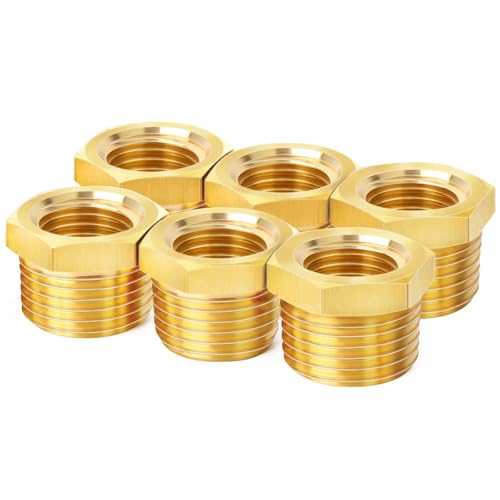
ChillWaves offers a brass reducer hex bushing, 3/4″ NPT male to 1/2″ NPT female. Brass provides excellent sealing properties and good corrosion resistance for water, gas, and select non-corrosive liquids. Best for clean-water plumbing or gas lines where brass is preferred for its sealing capabilities.
Who it’s best for: projects emphasizing sealing performance and compatibility with brass fittings. Why selected: brass composition supports reliable seals in low- to moderate-pressure systems. Caution: brass fittings may not be ideal for highly aggressive environments or certain chemical exposures.
Buying Guide
What material should you choose?
- Galvanized steel: durable, affordable, and suitable for most electrical conduit installations and outdoor use. Choose this for bulk jobs and where corrosion resistance is needed without high exposure to chemicals.
- Stainless steel (304/316): best for corrosive environments, high temperatures, or where exposure to moisture is frequent. Expect higher cost but longer life in demanding conditions.
- Brass: excellent sealing properties, ideal for water or gas lines in residential or light commercial settings. Not ideal for aggressive chemicals.
- Die-cast zinc or other alloys: lightweight, compact, and suitable for indoor, non-extreme environments with standard listings.
What should you verify before buying?
- Thread type: confirm NPT compatibility with your conduits or fittings.
- Size accuracy: ensure the reduction from 3/4″ to 1/2″ matches your system requirements.
- Environmental conditions: outdoor, damp, or chemical exposure may favor galvanized steel or stainless steel.
- Listings and standards: UL/CSA listings indicate compliance for electrical installations in regulated settings.
How many do you need?
- For small projects, a 5–10 piece set may suffice to cover common connections.
- For ongoing work, bulk packs (25 pieces) reduce reordering frequency and downtime.
FAQ
- Q: Are these bushings suitable for outdoor electrical conduits? A: Galvanized steel and stainless steel options provide good outdoor resilience, but verify the specific product’s outdoor rating and installation guidelines.
- Q: Do these bushings require thread sealant? A: In most cases, standard NPT connections with appropriate sealant or thread tape are recommended to ensure a leak-free join.
- Q: Can I reuse bushings after disassembly? A: It depends on the condition of threads and seal integrity; reuse is not always recommended if threads are damaged.
- Q: Are these compatible with EMT conduit fittings? A: Yes, when the thread size and NPT type align with the EMT fittings used.
- Q: Which material lasts longest in harsh environments? A: Stainless steel generally offers superior corrosion resistance in harsh environments, followed by galvanized steel depending on exposure.”