Direct answer: For protecting and preserving wood with sealant-focused penetration and durability, consider these five products that cover natural oil finishes, epoxy consolidants, exterior stains, water-based preservatives, and safe solvent substitutes. Each is chosen for different wood-care needs—from deep penetration and moisture resistance to grain-enhancing color. This guide helps buyers decide who each product is best for and why.
Buyer-friendly summary of chosen products:
| Product | Best For | Key Benefit | Notes |
|---|---|---|---|
| HOPE’S 100% Pure Tung Oil | Fine woods, indoor/outdoor projects | Deep penetration, flexible protection | Natural oil finish; cures at room temperature |
| Abatron LiquidWood 2 Pint Kit | Repairing damaged or deteriorated wood | Structural consolidation, shrink-free repairs | Two-part epoxy hardener |
| Preserva Wood 1 Gal. 100 VOC Clear Exterior Wood Stain | Exterior wood with visible grain | Oil-based stain that enhances grain | One-coat application option |
| Green Products 34001 Clear Wood Preservative Water-Base | Preservation with low odor | Deeper penetration, reduced leaching | Water-base, low odor |
| Eco-Solve Natural Oil Paint Thinner & Brush Cleaner | Solvent substitute for oil painting | VOC-free, odorless | Soy-based turpentine alternative |
HOPE’S 100% Pure Tung Oil
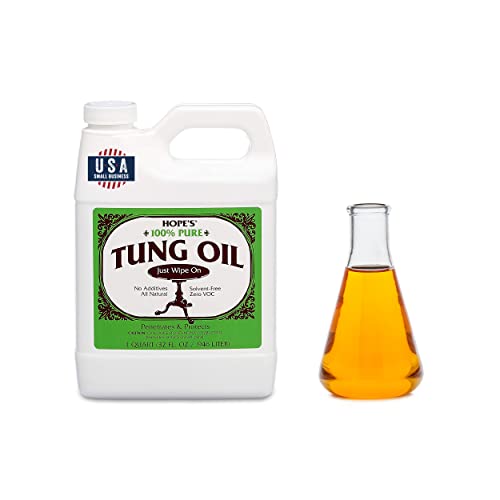
Features: Easy to Use. Tung oil is a natural oil recognized by craftsmen for a hand-rubbed finish on fine woods. Just wipe on and allow curing at room temperature. Permeates wood fibers rather than forming a surface film. Cures to a flexible non-oily solid and becomes part of the wood. Provides moisture, alcohol, oil, and wear resistance for lasting beauty; lasts longer than mineral oil and wax-based products.
Best for: Woodworkers seeking a natural, penetrating finish that enhances grains and feels like part of the wood. Better for: interior and exterior projects where a durable, flexible finish is desirable. Choose this if you prefer a non-film, penetrating oil finish. Caution: Tung oil can darken wood slightly and may require multiple applications for deep protection.
Abatron LiquidWood 2 Pint Kit

Features: A two-part structural epoxy wood hardener and consolidant resin. Repairs damaged wood by penetrating and restoring strength in worn elements like windows, doors, trim, columns, and posts. Suitable for indoor and outdoor use and works with WoodEpox for permanent, strong, shrink-free repairs. GREENGUARD CERTIFIED with almost no VOCs and low odor, offering a safer wood repair option.
Best for: Restoring and solidifying structurally compromised wood. Better for: projects requiring durable, shrink-free repairs that stabilize wood from inside. Choose this if you need a structural solution rather than a surface finish. Caution: As a consolidant, it is a specialized product used before or with wood replacement compounds; follow kit instructions for best results.
Preserva Wood 1 Gal. 100 VOC Clear Exterior Wood Stain

Features: Oil-based transparent wood stain that highlights natural grain and texture. Formulated for easy one-coat application using a stain pad, brush, or sprayer (for fences). After application, simply wipe off any excess for a straightforward finish.
Best for: Exterior wood projects where grain visibility and color are desired with a protective oil-based coating. Better for: quicker true-color development with minimal maintenance. Choose this if you want a robust exterior finish that preserves the look of real wood. Caution: Oil-based stains may require proper ventilation and disposal considerations according to local regulations.
Green Products 34001 Clear Wood Preservative Water-Base

Features: Dip soaking or pressure impregnation provides deeper penetration for longer preservation. Copper 8-quinolinolate reacts with wood cellulose to resist leaching. Formulation aims to extend service life of treated wood products.
Best for: Long-term preservation of wood, especially in outdoor or moisture-prone environments. Better for: projects where deep penetration and improved leach resistance are priorities. Choose this if you want a water-base preservative to minimize odor and VOC exposure. Caution: Water-base formulations may require reapplication intervals based on weather exposure and wood type.
Eco-Solve Natural Oil Paint Thinner & Brush Cleaner

Features: Safe, non-toxic solvent substitute. VOC-free and odorless, enabling comfortable painting in studios, classrooms, or homes. Archival, professional-grade, soy-based turpentine alternative that preserves oil paint integrity without yellowing.
Best for: Artists and wood finishers seeking a low-odor solvent alternative for thinning oils and cleaning brushes. Better for: environments requiring minimal fumes. Choose this if you need a safer solvent substitute with environmental considerations. Caution: Not a wood preservative itself; use as a thinner or cleaner within compatible workflows.
Buying Guide: Practical Considerations for Solvent-Based Wood Preservation
What is the primary goal of your wood project?
Determine whether you need deep penetration, surface protection, or structural repair. Oils and consolidants provide different levels of protection and wood interaction.
Exterior vs. interior use
Exterior finishes often require more durable, UV- and moisture-resistant formulas. Oil-based stains and certain preservatives excel outdoors, while water-based options may be preferred for indoor projects due to lower odor and VOCs.
Penetration vs. film-forming finishes
Penetrating oils, like tung oil, become part of the wood and can offer long-term resilience. Film-forming finishes sit on the surface and may peel with time. Choose based on maintenance tolerance and wood type.
Safety, odor, and VOC considerations
Water-based options generally emit fewer fumes, while solvent-heavy products may require ventilation. GREENGUARD certification indicates lower VOC exposure, but always follow product guidelines for ventilation and disposal.
Compatibility with repairs and replacements
For damaged wood, consolidants like LiquidWood provide structural restoration before finishing. In contrast, exterior stains focus on color and surface protection for healthy wood.
Application method and one-coat convenience
Some products advertise one-coat ease for faster projects. Consider your project size, equipment, and ability to wipe off excess when choosing an option that claims simplicity.
Maintenance and reapplication intervals
Exterior treatments often require periodic reapplication. Choose a product with a maintenance cycle that fits your climate and wood species, and plan for long-term care in your budgeting.
FAQ
- What is the difference between penetrating oil finishes and surface film finishes?
Penetrating oils soak into the wood and cure as part of the wood, offering flexible protection. Film finishes form a top layer that can crack or peel over time. - Is a water-base wood preservative as durable as oil-based products?
Water-base preservatives can offer strong protection with lower odor and VOCs, but durability varies by product and wood species. - When should I use a structural consolidant like LiquidWood?
Use when wood is deteriorated or weakened, to restore strength before applying finishes or replacements. - Can I use Eco-Solve as a thinner for oil paints?
Yes, Eco-Solve is designed as a non-toxic solvent substitute and can be used to thin compatible oil paints and clean brushes, with safety considerations. - What maintenance schedule is typical for exterior oil-based stains?
Exterior stains often require reapplication every few years, depending on climate, sun exposure, and wood species. - Are these products safe for indoor use?
Many options are formulated with lower VOCs or are water-based, but always check the product label for indoor suitability and proper ventilation.