Planning a CPVC piping upgrade or repair? This guide highlights the best 1/2 inch CPVC fittings for reliable connections in hot and cold water systems. These selections favor kits that are easy to install, corrosion-resistant, and suitable for residential plumbing or light commercial work. The top picks are grouped by common connection types—adapters, tees, elbows, and slip-to-slip couplings—so you can quickly choose what fits your project. Each option includes practical notes on compatibility, installation tips, and potential limitations to help you compare at a glance.
| Product | Best For | Key Benefit |
|---|---|---|
| 1/2″ 10pcs CPVC Male Adapter Fittings Coupling | Brass-to-CPVC transitions | Secure NPT-to-CPVC connections |
| 1/2″ 10pcs CPVC Pipe Fittings Slip to Slip | Straight runs | Slip-to-slip simplicity |
| 1/2″ 10pcs CPVC 90DEG Elbow Slip | Angle changes | 90-degree bends |
| XFITTING CPVC to Brass Adapter, 1/2″ NPT x 1/2″ CPVC | Copper/plumbing system upgrades | Brass transition with CPVC |
| (Pack of 10) EFIELD 1/2″ Pex x CPVC Transition | Pex-to-CPVC transitions | Crimp brass transition |
1/2″ 10pcs CPVC Male Adapter Fittings Coupling
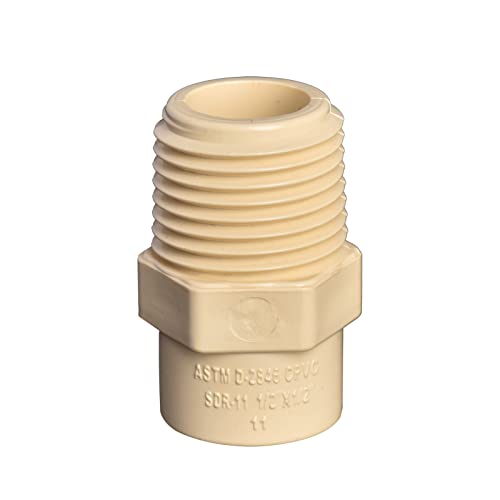
Best for connecting CPVC to other pipe types with a secure threaded end. This 10-pack provides CPVC male adapters with slip (socket) and male NPT thread ends. Installation requires CPVC primer, solvent cement, and PTFE tape or pipe dope for leak prevention. Ideal for projects where a robust male-threaded connection is needed to join CPVC to metal or other materials. Caution: ensure compatibility of materials on both ends to avoid stress at the joint.
1/2″ 10pcs CPVC Pipe Fittings Slip to Slip
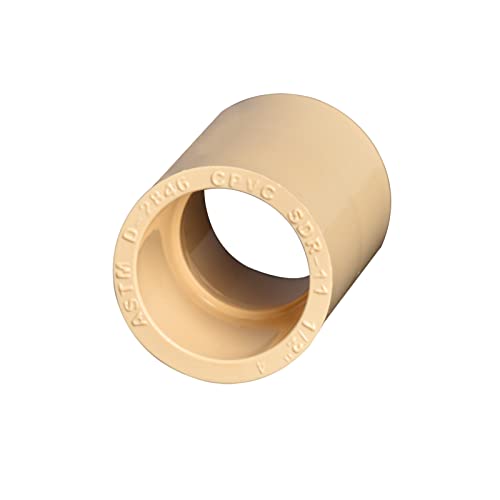
Best for straight pipe runs where slip-to-slip connections are preferred. This 10-pack uses CPVC to provide ductility and resistance to high pressures and temperatures. The smooth interior reduces friction and material buildup. Choose this when you need a simple, unthreaded joint without adding NPT components. Limitation: slip connections require compatible pipe ends and proper solvent cement bonding for a leak-free seal.
1/2″ CPVC Pipe Fittings 90DEG Elbow Slip to Slip

This 10-piece elbow set provides CPVC 90-degree bends for compact turns in tight spaces. CPVC handles hot and cold water up to 180 degrees F at 100 PSI, offering good resistance to corrosion and high temperatures. Best for projects needing angle changes in straight-line piping. Limitation: tempering and solvent cement must be compatible with both CPVC pipes and the elbow fittings to ensure a reliable bond.
XFITTING Male to CPVC Adapter, 1/2″ NPT x 1/2″ CPVC

Best for projects needing a secure transition from CPVC piping to brass fittings. The CPVC material handles hot and cold water, with CPVC noted for resistance to corrosion and scaling. Choose this when you need a brass transition that maintains CPVC reliability. Caution: ensure compatibility with brass components and follow standard primer and solvent cement procedures for CPVC connections.
1/2″ 10pcs CPVC TEE Pipe Fittings Slips

Best for creating a branch from a main line. The 10-pack tee fittings allow two branch paths from a main run with slip connections. CPVC material offers corrosion resistance and a smooth interior for reduced friction. Notable limitation: ensure the tee size matches all connected pipes to avoid flow restrictions or leaks at the branch points.
10 Pack CPVC to Brass NPT Adapter

Best for multi-point CPVC-to-brass transitions in potable and non-potable systems. Each adapter features 1/2″ CPVC socket to 1/2″ female NPT thread. Brass offers robust threading and mechanical strength. Choose this when you need a durable brass thread connection in a CPVC system. Caution: verify potable water compliance if used in drinking water lines and manage joint coatings to prevent leaks.
(Pack of 10) EFIELD 1/2″ Pex x CPVC Transition

Best for bridging PEX tubing with CPVC. The 10-piece brass crimps are designed for PEX-to-CPVC transitions, enabling flexible piping layouts. Choose this when your project uses PEX alongside CPVC and you need reliable crimp connections. Limitation: compatibility with specific PEX brands and crimp tools should be verified before purchase.
Buying Guide
What should you consider when selecting 1/2 inch CPVC fittings?
- Connection type: Slip, NPT, or crimp. Choose slip for simple piping, NPT for threaded connections, and crimp when using PEX or brass transitions.
- Material compatibility: CPVC is ideal for hot and cold water; brass adapters offer durable threading but ensure potable-use compliance where required.
- Temperature and pressure: Ensure fittings are rated for your system’s PSI and water temperatures.
- Installation requirements: CPVC systems typically require primer and solvent cement; brass components may need different sealants.
- Quantity and packaging: Packs of 10 or more are convenient for multiple joints in a single project.
How do you ensure leak-free CPVC connections?
- Clean and prime CPVC surfaces as recommended by the product guidelines.
- Apply solvent cement evenly and allow proper curing time before pressurizing the system.
- Use Teflon tape or pipe dope on threaded connections where applicable.
- Inspect joints after assembly and test for leaks at low pressure before full operation.
FAQ
- What is the typical use for 1/2″ CPVC fittings?
They are used in residential and light commercial hot and cold water systems to join CPVC pipes, adapt to brass or NPT ends, or connect PEX when applicable.
- Are CPVC adapters suitable for potable water?
Yes, many CPVC components are designed for potable water systems, but confirm material certifications for any brass or composite parts.
- Do CPVC fittings require different sealants?
CPVC connections typically use primer and solvent cement; threaded CPVC-to-metal joints may require Teflon tape or pipe dope, depending on the manufacturer.
- Can CPVC and PVC be mixed with these fittings?
Most CPVC fittings are thread-compatible with CPVC piping and some adaptors allow transitions to other materials; check each product for compatibility.
- What maintenance is needed for CPVC piping?
Regular inspection for leaks and joints; ensure fittings are not exposed to prolonged UV light or mechanical damage; follow installation guidelines.
- Which fitting should I choose for a branch line?
Use a CPVC tee or a combination of CPVC tees with slip connections to create a branch safely and efficiently.