Answering the most common buyer question: which black fountain pen inks offer reliable flow, rich color, and compatibility across brands? This guide highlights five well-regarded bottled inks that suit a range of users—from daily writers to artists. Best choices are selected for smoothness, drying time, and durability. The top picks are ideal for beginners seeking a dependable black ink and for experienced writers who want lasting, crisp lines. For quick planning, the summary table below compares key attributes of each option.
| Product | Brand | Best For |
|---|---|---|
| Asvine Hongdian Fountain Pen Bottled Ink Black | Asvine | Everyday writing with all-brand compatibility |
| Pelikan Brilliant Black Bottled Ink | Pelikan | Traditional pens with strong line definition |
| PILOT Iroshizuku Take-Sumi | PILOT | Rich, Japanese-inspired tones for expressive writing |
| Parker QUINK Black Ink | Parker | Luxury fountain pens; smooth lubricity |
| Platinum Carbon Ink Black | PLATINUM | Carbon-based ink with water resistance potential |
Asvine Hongdian Ink Bottle — Black
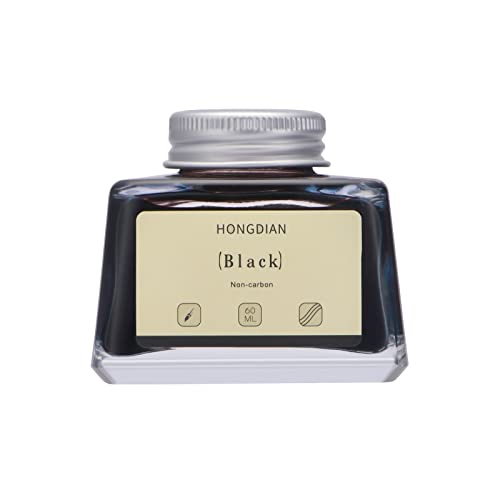
The Asvine Hongdian bottle is designed for broad compatibility with many fountain pens and aims to deliver smooth ink flow with quick-drying, non-toxic, pH-neutral properties. The glass bottle features a wide base and tight-sealing cap for easy storage and portability. This option is best for writers who want reliable everyday ink that won’t aggressively feather on standard paper.
Best for: Writers who value smooth performance across multiple pen brands and a low-maintenance, quick-drying black ink. Choose this if you need a versatile, everyday ink with a reliable flow; avoid if you require specialized pigment or high-water-resistance ink for archival use.
Limitation: No explicit mention of water resistance or pigment-based properties; primarily a standard dye-based ink suitable for everyday tasks.
Pelikan Brilliant Black Bottled Ink

Pelikan’s 4001 line is steeped in tradition. The ink formula is crafted to protect both pen and nib, delivering bold color with an even flow for traditional fountain pens and many converters. The result is a classic, deep black suitable for daily notes or formal documents.
Best for: Users with Pelikan pens or other traditional fountain pens seeking a proven, dependable black ink with a smooth, consistent line. Better for: those who prefer a historical brand heritage. Choose this if you need a conventional black that performs well across a variety of nibs; avoid if you require quick-drying features for high-volume note-taking.
Limitation: May require nib adjustment with very fine nibs to avoid slight feathering on certain inexpensive papers.
PILOT Iroshizuku Take-Sumi Ink
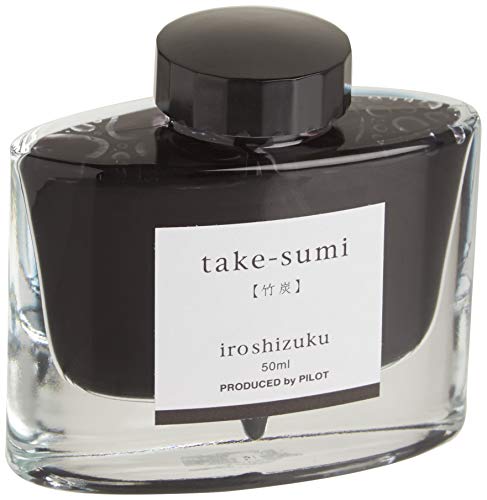
Take-Sumi from Iroshizuku offers rich, nuanced black tones inspired by Japanese landscapes. These inks emphasize color depth and personality, delivering intense yet balanced lines with a distinct character. It’s a premium option for those who value artistry in writing.
Best for: Writers who want expressive black ink with subtle shading and a refined finish. Better for: daily journaling, calligraphy, or art-focused notes. Choose this if you prioritize color range and lineage of Japanese ink craft; avoid if you need ultra-fast drying for rapid note-taking or work in paper prone to feathering.
Limitation: May require more time to dry on certain papers; not the most economical option for high-volume writing.
Parker QUINK Black Ink

Parker’s QUINK line is known for high lubricity, contributing to smooth ink flow and steady writing. This bottle is intended for Parker fountain pens and many other luxury options, offering a dependable black that dries to a clean, crisp line.
Best for: Owners of Parker pens or other premium fountain pens seeking a long-standing, reliable ink with smooth flow. Better for: users who want a balanced, classic black with predictable performance. Choose this if you value lubricity and a traditional writing experience; avoid if you need quick-dry capabilities for fast-paced note-taking.
Limitation: Some nibs may experience slightly longer drying times on glossy papers; not the best choice for very rapid, high-volume note-taking on rough stock.
Platinum Carbon Ink Black

Platinum Carbon Ink is a pigmented carbon-based ink with a capacity of 60ml. It’s designed to provide strong black color with potential water resistance, making it a solid option for artists and writers who want more permanence than standard dye inks.
Best for: Artists and writers who value permanence and pigment-based ink with bold, dark lines. Better for: those using pens that tolerate pigmented inks; choose this if you need a durable line with strong archival potential. Limitation: Pigment-based inks can be more likely to clog delicate nibs or require thorough cleaning between uses with certain pens.
Waterman Intense Black Ink

Waterman’s Intense Black provides a classic, deep black suitable for refined writing and formal documents. The liquid ink is designed for high-quality performance and a distinguished look on everyday stationery.
Best for: Writers seeking a recognizable premium brand with a timeless, bold black finish. Better for: professional correspondence and formal notes. Choose this if you want a proven, universally compatible black ink; avoid if you require very quick drying for fast-paced notetaking or if pigment-level permanence is essential.
Buying Guide: What to Consider When Choosing Black Fountain Ink
- Ink type: Dye-based inks are common, offer smooth flow, and fast drying. Pigment-based inks (carbon, for example) tend to be more water-resistant and permanent but can require more nib care.
- Paper compatibility: Some papers cause feathering with cheaper inks; heavier, smoother papers generally deliver crisper lines with rich blacks.
- Pen compatibility: Ensure the ink suits your pen’s nib and mechanism (cartridge vs. converter vs. plunger). Some brands perform best in their own line, but most are cross-compatible.
- Drying time and flow: If you write quickly, look for quick-drying options. If you write slowly and require shading, consider inks known for color depth and subtle shading.
- Color depth and shading: Japanese inks (like Take-Sumi) offer nuanced tones, while classic black inks provide bold, uniform lines. Consider the intended use—journal, art, or formal documents.
- Maintenance: Pigment inks may require thorough cleaning to prevent clogging. Consider your cleaning routine and pen storage before selecting a pigment-based option.
FAQ
- What makes a black fountain pen ink good for everyday writing?
A: Consistent flow, reliable drying times, and compatibility with a wide range of nibs and papers are key factors for everyday use. - Are pigment-based blacks better for permanence?
A: Pigment-based inks tend to be more water-resistant and archival, but they can require more careful pen maintenance and nib compatibility checks. - Can I mix black inks from different brands in one pen?
A: It is generally safe to switch between brands, but avoid mixing pigment inks with dye inks in the same pen without proper cleaning between uses. - Which black ink is best for formal documents?
A: Classic, deep black inks with uniform flow and minimal shading are typically preferred for formal documents. - Do all fountain pen inks dry quickly on ordinary notebook paper?
A: Drying times vary by formula and paper; some inks are optimized for faster drying on standard office paper, while others prioritize shading and depth over speed.