Color reversal film, also known as slide film, delivers bright, accurate colors when developed as a positive image. This guide helps buyers choose 35mm slide film and highlights the best options for different needs, from fine grain to vibrant color. The top picks are best for photographers seeking true-to-life color, strong tonal range, and presentation-ready slides. Read on to compare each product’s strengths and limits, and find the right film for your shooting style and environment.
Product Comparison at a Glance
| Product | Film Type | ISO | Format | |
|---|---|---|---|---|
| Kodak Ektachrome E100G Color Slide Film | Color Reversal | 100 | 35mm, 36 Exposures | Bright whites and smooth tone scale |
| FUJIFILM Velvia 100 | Color Reversal | 100 | 35mm, 36 Exposures | Extreme color saturation for landscapes |
| Kodak Ultramax 400 (neg.) | Color Negative | 400 | 35mm, 36 Exposures | Versatile everyday photography |
| Kodak Ektar 100 (neg.) | Color Negative | 100 | 35mm, 36 Exposures | Fine grain and rich color for portraits |
| Fujifilm 400 Color Negative Film | Color Negative | 400 | 35mm, 36 Exposures | Balanced performance in varied light |
Kodak Ektachrome E100G Color Slide Film
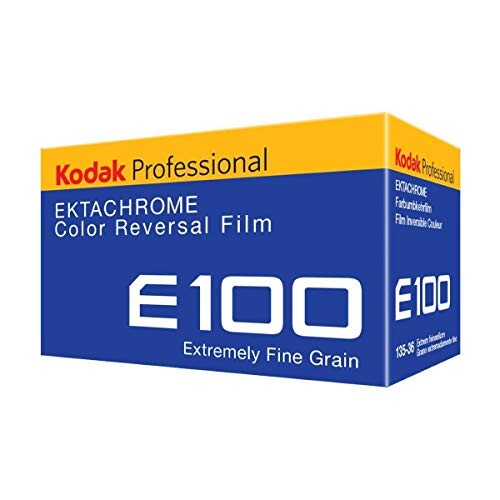
Kodak Ektachrome E100G is a true color reversal film offering extremely fine grain and a lower D-min for whiter whites and a smoother tone scale. Best for photographers seeking clean, faithful color reproduction with broad tonal range. The film is ideal for natural landscapes, architecture, and vibrant street scenes where bright highlights matter. A potential limitation is its contrast level, which may require careful exposure in high-contrast scenes.
FUJIFILM Velvia 100

Fujifilm Velvia 100 is renowned for its highly saturated colors and crisp detail, making it a top choice for landscape photographers and nature scenes where punchy color is desired. It is best used in bright lighting to maximize saturation and minimize grain. Because Velvia emphasizes vivid hues, skin tones and foliage can appear intensely colored; avoid this if you need more natural skin tones in portraits.
Kodak Ultramax 400 (Neg.)
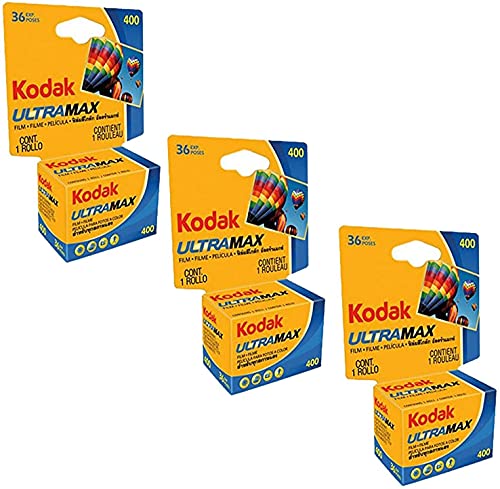
Kodak Ultramax 400 is a versatile color negative film suitable for general photography in a variety of lighting conditions. It provides balanced tone and reliable color reproduction with good latitude. This is a solid all-around option when slide film is not required, or when you want easier scanning and printing results. Limitations include higher grain potential at extreme exposures compared to finer-grain slide films.
Kodak Ektar 100 (Neg.)
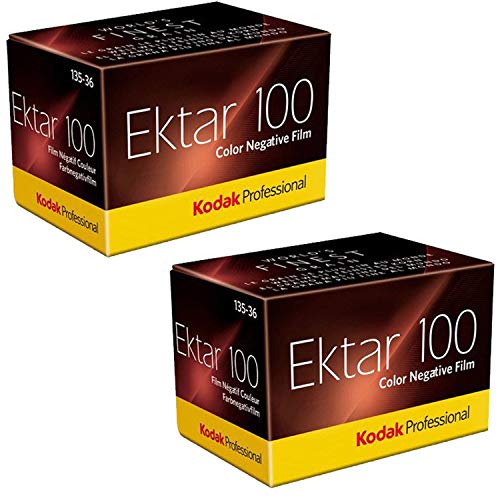
Kodak Ektar 100 is praised for exceptionally fine grain and vivid color in a 100 ISO negative film format. It suits portrait work and controlled studio settings where smooth tonal transitions are desired. A limitation is its moderate speed; it performs best in good lighting and may require careful exposure in dim conditions.
FUJIFILM 400 Color Negative Film

Fujifilm 400 Color Negative Film provides balanced performance for everyday photography, with workable color reproduction and solid sharpness across a range of lighting. It is best for travelers and daily shooters who need flexible film speed. A limitation is that it is a negative film, not a reversal slide film, so it requires scanning and printing to view final results.
Buying Guide: Key Considerations for 35mm Color Films
What distinguishes slide films from negative films? Reversal (slide) films produce a positive image on the frame, which appears exactly as the scene did once developed, ideal for projection and gallery presentation. Negative films require processing and scanning/printing to view final colors, offering more latitude with exposure and easier subsequent editing. When choosing, consider your lighting conditions, desired color realism, and whether you plan to project or print from scans.
Which film type fits your shooting style?
Best for slide projection and direct viewing: select reversal films like Ektachrome E100G or Velvia 100 for bright, vibrant results. Best for casual snapshots and varying light: negative films like Ultramax 400 or Ektar 100 offer flexible exposure latitude and strong color for prints and digital archives.
How important is grain and sharpness?
Reversal films like E100G typically emphasize tone scale and fine grain, suitable for landscapes and architectural shots. Velvia 100 is known for high color saturation, which can affect perceived sharpness in saturated scenes. Negative films vary; Ektar 100 offers very fine grain and clean images, while Ultramax 400 balances grain and color across light levels.
What about exposure and processing?
Slide films require careful exposure to preserve highlight detail in bright scenes. If you shoot in mixed lighting, a negative film might be safer due to wider exposure tolerance. C-41 processing is common for negative films; reversal films have distinct development steps and projection-grade results.
Practical guidance for storage and handling
Store film in a cool, dry place away from heat and humidity. Reversal films tend to be more sensitive to excessive light exposure; keep unopened rolls in the refrigerator if you won’t shoot them promptly. After shooting, keep slides and negatives in protective sleeves or frames to preserve color accuracy and avoid scratches during handling.
Choosing by scenario
- Landscape and nature with bold color: Velvia 100 (reversal) for intense greens and blues.
- Neutral, balanced skin tones and broad tonal range: Ektachrome E100G (reversal) or Ektar 100 (neg.) for clean color.
- Travel and everyday shooting with flexibility: Ultramax 400 (neg.) or the 400-speed negative options.
FAQ
- What is color reversal film? Answer: It produces a positive image on the film that looks like the scene itself without printing or scanning.
- Which film is best for landscapes? Answer: Velvia 100 for saturated colors; Ektachrome E100G for balanced tones.
- Do I need to project slide film? Answer: If you want immediate viewing without printing, slide film is ideal.
- Is negative film better for portraits? Answer: Yes, negative film often provides more forgiving skin tones and easier editing.
- Can I mix slide and negative films in the same shoot? Answer: Yes, but plan for different processing and storage needs for each type.
- What should I consider for low light? Answer: Higher ISO negative films perform better in dim conditions than standard reversal films.